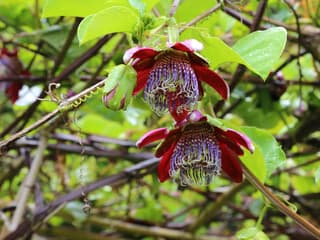
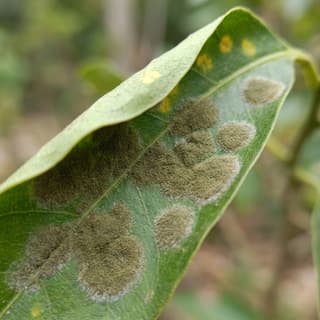
Winged-stem passion flower with Cladosporium Leaf Mold: Prevention & Cure
Passiflora alata
Cladosporium Leaf Mold on Winged-stem passion flower: What to Know?
Cladosporium Leaf Mold on Winged-stem passion flower (Passiflora alata) is a fungal condition with moderate severity. Winged-stem passion flower has moderate susceptibility to this disease. Cladosporium is a group of fungi that cause leaf spots and a soft, olive-green to dark brown, velvety growth on leaves and sometimes stems. It thrives in high humidity, poor air movement, and crowded...
Winged-stem passion flower is a medium-care plant. As an indoor plant, ensure good ventilation to aid recovery.
Unlike bacterial infections, Cladosporium Leaf Mold on Winged-stem passion flower can be managed with organic fungicides.
🛡️ How to Prevent Cladosporium Leaf Mold on Winged-stem passion flower?
TLDR: Prevent Cladosporium Leaf Mold on Winged-stem passion flower with 7 essential preventive care practices.
- ✓ Keep plants well-spaced and pruned for good airflow.
- ✓ Water at soil level in the morning and keep foliage as dry as possible.
- ✓ Ventilate greenhouses and indoor grow areas and use a fan or timed venting to lower humidity, especially overnight.
- ✓ Remove and dispose of fallen leaves and plant debris and disinfect tools, stakes, and ties between plants.
- ✓ Use resistant or tolerant varieties when available, for example tomato varieties with leaf mold resistance.
- ✓ Rotate crops each year and avoid planting tomatoes and peppers in the same spot consecutively.
- ✓ Start with healthy, disease-free seedlings and quarantine new houseplants for 2 weeks.
🌱 How to Care for Winged-stem passion flower to Prevent Cladosporium Leaf Mold?
💧 How to Water
Water freely while growing and fruiting, every 3 or 4 days in hot weather, without letting the soil get soggy. Cut watering right back in winter.
☀️ Lighting
Full sun or part shade; it flowers and fruits best with direct sun for much of the day, in a spot sheltered from wind such as a warm wall.
🪴 Ideal Soil
Moderately fertile, moist, well-drained soil. In containers, use a large pot of loam-based compost.