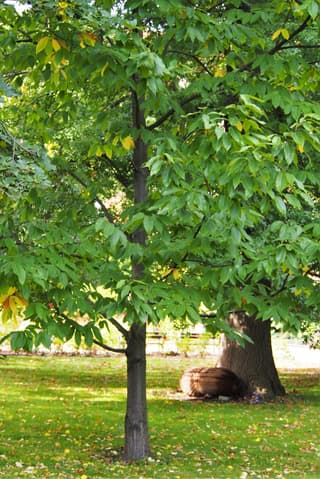
American chestnut Prone to Chestnut Blight: How to Protect
Castanea dentata
Chestnut Blight on American chestnut: What to Know?
Chestnut Blight on American chestnut (Castanea dentata) is a fungal condition with moderate severity. American chestnut has high susceptibility to this disease. Chestnut blight is a severe fungal disease caused by Cryphonectria parasitica. The fungus enters through wounds in the bark and primarily affects the sweet chestnut (Castanea sativa) and other Castane...
American chestnut is a hard-care plant.
American chestnut is highly susceptible to Chestnut Blight, unlike most plants in the same family. Unlike bacterial infections, Chestnut Blight on American chestnut can be managed with organic fungicides.
🛡️ How to Prevent Chestnut Blight on American chestnut?
TLDR: Prevent Chestnut Blight on American chestnut with 7 essential preventive care practices.
- ✓ Purchase certified planting material and inspect for wounds or suspicious spots during planting.
- ✓ Where possible, choose varieties or rootstocks with partial resistance and plant in an airy, well-drained, nutrient-rich location.
- ✓ Protect the trunk and roots from mowing damage and herbivory.
- ✓ Disinfect tools during pruning and work from healthy tissue toward potentially infected areas.
- ✓ Maintain tree vitality with proper watering and mulching.
- ✓ Limit the movement of chestnut wood and bark from infested areas.
- ✓ In case of multiple occurrences or strong suspicion, contact local authorities or the relevant plant health organization for advice and reporting.
🌱 How to Care for American chestnut to Prevent Chestnut Blight?
💧 How to Water
Water deeply every 10 days for the first two or three years, more often in hot, dry spells. Mature trees are fairly drought tolerant. Never let the roots sit in waterlogged soil, which invites root rot.
☀️ Lighting
Full sun, at least 6 hours of direct light a day. It tolerates partial shade when young but produces few nuts there.
🪴 Ideal Soil
Deep, loamy or rocky soil with good drainage and an acidic pH below 6. Avoid heavy, wet clay and alkaline soils.