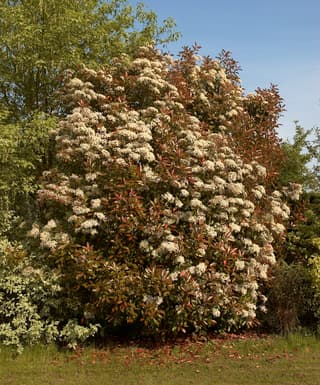
Red Tip Photinia Prone to Diplocarpon: How to Protect
Photinia × fraseri
Diplocarpon on Red Tip Photinia: What to Know?
Diplocarpon on Red Tip Photinia (Photinia × fraseri) is a fungal condition with moderate severity. Red Tip Photinia has high susceptibility to this disease. Diplocarpon is a group of leaf-spot fungi best known for causing black spot on roses. It spreads by splashing water and thrives on wet leaves in cool to mild, damp weather. Look for round, dark spots...
Red Tip Photinia is a easy-care plant.
Red Tip Photinia is highly susceptible to Diplocarpon, unlike most plants in the same family. Unlike bacterial infections, Diplocarpon on Red Tip Photinia can be managed with organic fungicides. Without precautions, chemical treatments for Diplocarpon can be harmful to pets. Use organic methods for Red Tip Photinia in pet-friendly homes.
🛡️ How to Prevent Diplocarpon on Red Tip Photinia?
TLDR: Prevent Diplocarpon on Red Tip Photinia with 7 essential preventive care practices.
- ✓ Plant in sunny, open sites with good morning sun so leaves dry quickly.
- ✓ Provide generous spacing and prune to open the canopy each year.
- ✓ Water at soil level and mulch to reduce splash.
- ✓ Remove and dispose of fallen leaves throughout the season and at the end of the season.
- ✓ Feed and water plants properly but avoid excess nitrogen, which promotes soft disease-prone growth.
- ✓ Select resistant cultivars.
- ✓ If Diplocarpon has been a recurring issue, begin preventive sprays with biologicals, sulfur, or potassium bicarbonate early in the season and reapply as directed, especially after wet weather.
🌱 How to Care for Red Tip Photinia to Prevent Diplocarpon?
💧 How to Water
Water deeply once a week during the first year after planting; once established, the plant is drought tolerant and only needs extra water during intense heat or very dry soil.
☀️ Lighting
Prefers full sun, at least 6 hours of direct light a day, to produce the most intense red coloring on new leaves; tolerates partial shade but grows more slowly and less vividly colored.
🪴 Ideal Soil
Needs well-draining soil, ideally loamy; avoid waterlogged clay soils, which promote root rot. Tolerates a pH range from slightly acidic to alkaline.