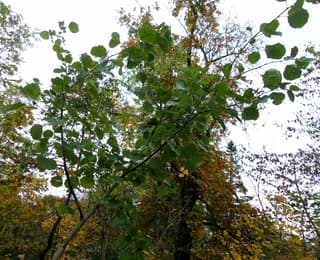
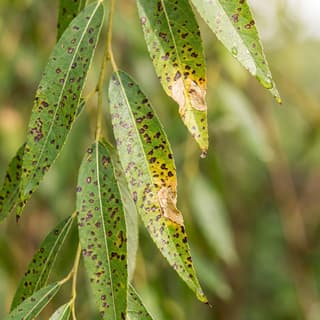
European aspen with Willow Anthracnose: Prevention & Cure
Populus tremula
Willow Anthracnose on European aspen: What to Know?
Willow Anthracnose on European aspen (Populus tremula) is a fungal condition with moderate severity. European aspen has moderate susceptibility to this disease.
European aspen is a easy-care plant.
Unlike bacterial infections, Willow Anthracnose on European aspen can be managed with organic fungicides.
🌱 How to Care for European aspen to Prevent Willow Anthracnose?
💧 How to Water
Water deeply once or twice a week during the first two growing seasons, especially during dry periods. Once established, it tolerates short periods of drought but grows best with consistently moist soil—avoid waterlogging, which promotes root rot.
☀️ Lighting
Choose a full sun location for more vigorous growth and better autumn color, although it also tolerates partial shade in a woodland setting.
🪴 Ideal Soil
It adapts to sandy, clay, or loamy soils as long as drainage is reasonable; it prefers slightly acidic to neutral soil (pH 5.5-7) and benefits from annual mulching with compost or well-rotted manure.