Salicaceae
European Aspen (Populus tremula) Care Guide
Populus tremula
Plant the European aspen in an open location, in full sun to partial shade, with moist and well-drained soil. Water generously during the first two years to help with establishment; afterwards, it becomes quite self-sufficient. Mulch the soil annually, prune only dead or damaged wood during dormancy, and keep it away from buildings and pipes, as the roots are vigorous and suckers can spread extensively.
Every 7 days
Bright indirect
-40° - 35°C
40% - 70%
Categories
What is European aspen?
European aspen (Populus tremula) is a easy-care plant from the Salicaceae family. The European aspen (Populus tremula) is a fast-growing deciduous tree native to Europe and parts of Asia, known for its rounded, silvery-green leaves that tremble and whisper in the slightest breeze thanks to their flattened petioles. It can reach up to 25 meters in height, with smooth grey-green ba...
European aspen grows up to 20.0m, spread of 1000cm, watering every 7 days, -40°C – 35°C, 40–70% humidity. It is not suitable for indoor environments and safe for pets.
Unlike many tropical plants, European aspen tolerates watering mistakes. Best for beginners. Unlike many popular species, European aspen is safe to keep around pets.
How to Care for European aspen?
TLDR: European aspen needs Bright indirect, watering every 7 days, and temperatures between -40-35°C with 40-70% humidity.
How Often Should You Water European aspen?
Water deeply once or twice a week during the first two growing seasons, especially during dry periods. Once established, it tolerates short periods of drought but grows best with consistently moist soil—avoid waterlogging, which promotes root rot.
How Much Light Does European aspen Need?
Choose a full sun location for more vigorous growth and better autumn color, although it also tolerates partial shade in a woodland setting.
What Is the Best Soil for European aspen?
It adapts to sandy, clay, or loamy soils as long as drainage is reasonable; it prefers slightly acidic to neutral soil (pH 5.5-7) and benefits from annual mulching with compost or well-rotted manure.
What Is European aspen and Where Does It Come From?
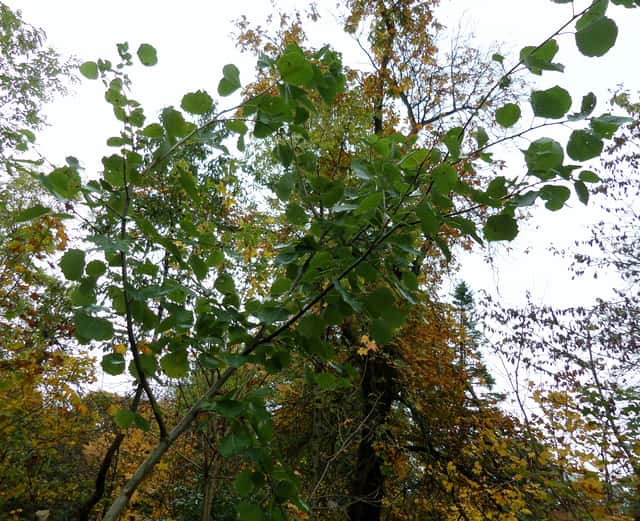
The European aspen (Populus tremula) is a fast-growing deciduous tree native to Europe and parts of Asia, known for its rounded, silvery-green leaves that tremble and whisper in the slightest breeze thanks to their flattened petioles. It can reach up to 25 meters in height, with smooth grey-green bark that darkens and cracks with age. In spring, before the leaves emerge, long greyish catkins appear, and in autumn the foliage turns golden. It spreads easily via root suckers, often forming dense clonal groves, and serves as an important habitat for insects, birds, and lichens.
How to Propagate European aspen?
Root sucker division
Suckers are already rooted and establish quickly; transplant during dormancy (late fall to early spring) for best results.
- 1 Locate a root sucker at least 1 meter away from the parent tree
- 2 Dig around the sucker to expose the connecting root
- 3 Separate the sucker from the main root using a clean shovel or pruning saw
- 4 Lift the sucker with as much root as possible and replant immediately
Materials needed:
Seed propagation
Aspen seeds lose viability very quickly (often within a week), so timing is critical and germination rates are naturally low.
- 1 Collect the cottony seeds from female catkins as soon as they are released in early summer
- 2 Sow immediately in sterile, moist compost, as viability drops within a few days
- 3 Keep the surface constantly moist and in bright indirect light
- 4 Transplant seedlings when they have several true leaves
Materials needed:
How Big Does European aspen Grow?
TLDR: European aspen can reach up to 20.0m tall with Fast growth rate.
Max height
20.0m
Spread
10.0m
Growth rate
Fast
Foliage
Deciduous
Plant Uses
Ornamental
Great for decoration
Medicinal
Medicinal properties
Air Purifying
Improves air quality
Medicinal Uses
- Bark traditionally used for its salicin content to relieve fever and mild pain
- Traditional remedy for rheumatic pain
Culinary Uses
- Inner bark dried and ground into flour, historically used as an emergency food source
Is your plant showing symptoms?
Click on the symptom to discover possible causes:
What Diseases Commonly Affect European aspen?
TLDR: European aspen is susceptible to 8 known diseases. Monitor regularly for early detection.
Canker
Canker is a disease caused by various fungi and bacteria that create necrotic, sunken areas on bark of branches, stems, and trunks. Pathogens enter through wounds and natural openings, especially when plants are stressed. Canker can gradually weaken or kill branches by disrupting water and nutrient flow.
Willow Anthracnose
Root Rot
Root rot is a serious fungal disease that affects the root system of plants, causing them to decay and die. It is primarily caused by overwatering, poor drainage, or soil-borne fungi such as Pythium, Phytophthora, Rhizoctonia, and Fusarium. The disease thrives in waterlogged conditions where roots are deprived of oxygen, making them susceptible to fungal infection.
Rust
Rust is a common fungal disease caused by fungi in the order Pucciniales that affects a wide variety of plants. The disease gets its name from the characteristic orange, yellow, or reddish-brown pustules that appear on leaves, resembling metal rust. This obligate fungal parasite requires living plants to survive and can cause significant economic losses in agricultural crops.
Meaning & Symbolism
In folklore, the ever-trembling leaves of the aspen symbolize sensitivity, vigilance, and resilience—the tree that "never rests," even when there is no wind.
Fun Facts
A single aspen root system can send up thousands of genetically identical suckers, forming vast clonal colonies -- some aspen clones are among the oldest and largest living organisms on Earth.
The tree's Latin species name "tremula" means "trembling," describing its ever-fluttering leaves.
Aspen wood is pale, lightweight and virtually odourless, which historically made it popular for matchsticks and paper pulp.
Frequently asked questions
Why do aspen leaves tremble in the wind?
How fast does European Aspen grow?
Is European Aspen toxic to pets?
Why is my aspen producing suckers all around the base?
Compare with similar plants
| Attribute | Difficulty | Light | Watering | Pet Safe |
|---|---|---|---|---|
| Field Maple | Easy | Bright indirect | 14d | ✓ |
| Silver Birch | Easy | Direct sun | 14d | ✓ |
| Common Blanketflower | Easy | Direct sun | 10d | ✓ |
| Cushion Bush | Easy | Direct sun | 14d | ✓ |





