Emaravirus: How to Identify & Treat Fast
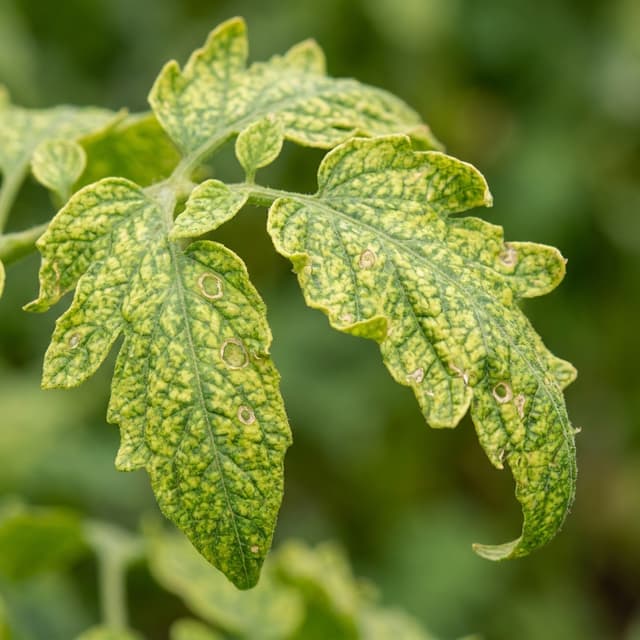
Emaraviruses are a group of plant viruses. They are primarily spread by microscopic mites known as eriophyid mites, which live hidden within buds and on the undersides of leaves. While the virus itself is invisible, its effects are recognizable: mottled or yellow-variegated leaves (mosaic), ringspots and lesions, vein clearing, blistering or puckering, leaf curling and distortion, witches' broom (excessive branching), stunted growth, and abnormal flowers or fruit. Commonly affected plants include ornamentals and fruit trees such as roses, figs, maples, viburnums, camellias, and certain currants. There is no cure for an already infected plant, making early action and vector control essential.
What is Emaravirus?
Emaravirus is a other condition with moderate severity that affects plants. Emaraviruses are a group of plant viruses. They are primarily spread by microscopic mites known as eriophyid mites, which live hidden within buds and on the undersides of leaves. While the virus itself is invisible, its effects are recognizable: mottled or yellow-variegated leaves (mosaic), ringspot...
Emaravirus is a other disease with moderate severity. It affects 1 plant species in our database.
Unlike many common diseases, Emaravirus is not contagious between plants.
🧪 Natural vs Chemical: Which Treatment Works for Emaravirus?
🌱 Natural Solutions
- ✓ Remove and discard severely infected plants, as well as symptomatic branches and leaves, in the trash rather than the compost.
- ✓ Prune to improve airflow and reduce mite habitats, then disinfect tools between each plant with 70% alcohol or a 1:10 diluted bleach solution.
- ✓ For potted plants, rinse the foliage—including the undersides of leaves—with a moderate stream of water to dislodge mites, repeating weekly.
- ✓ Repot in clean substrate if contaminated debris is suspected and dispose of the old substrate.
- ✓ Quarantine new plants for 2 to 4 weeks with regular inspections.
- ✓ Introduce beneficial predatory mites such as Amblyseius andersoni and Neoseiulus californicus to control certain mites, install insect netting on greenhouses and openings, and use sticky traps to monitor thrips, whiteflies, and aphids.
- ✓ Maintain good hygiene by washing hands, changing gloves between batches, and cleaning benches and stakes.
💉 Chemical Solutions
- ✓ Focus on reducing vectors rather than curing the viral infection.
- ✓ Apply insecticidal soap (potassium soap) and horticultural or paraffinic oils to reduce populations of exposed mites and piercing-sucking insects on the foliage.
- ✓ Use sulfur, which acts as both an acaricide and fungicide, against certain mites on woody plants; avoid application during high heat and perform a spot test on a small area first.
- ✓ Prioritize physical and biological methods for home gardens before considering specific acaricides, which are often restricted to professional use.
- ✓ Never use antibiotics or products not specifically intended for plants.
🛡️ How to Prevent Emaravirus?
TLDR: Prevent Emaravirus with 7 essential care practices. Regular monitoring is key for early detection.
- ✓ Purchase certified disease-free plants, cuttings, and scions, and avoid exchanges from unknown sources.
- ✓ Quarantine all new plants for 2 to 4 weeks and inspect buds and the undersides of leaves.
- ✓ Disinfect tools and hands between plants using 70% alcohol or a 1:10 bleach solution, and avoid pruning when foliage is wet.
- ✓ Regularly monitor for eriophyid mites and other pests, and remove weeds and wild hosts around the garden.
- ✓ Minimize drafts in greenhouses that can transport mites and install mesh netting over openings.
- ✓ Do not use scions or cuttings from suspect plants and never reuse substrate from a diseased plant.
- ✓ Maintain plant vigor with appropriate lighting, regular watering, and balanced nutrition to improve stress tolerance and reduce attractiveness to vectors.
🔗Related Diseases
Mosaic Virus
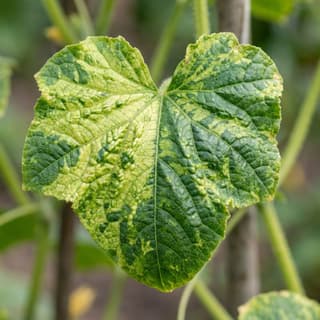
Potyviruses (family Potyviridae, genus Potyvirus) are plant viruses transmitted primarily by aphids during feeding and mechanically through sap. They cause mosaic patterns (light and dark patches) on leaves, leaf curling and distortion, vein clearing, leaf blistering, stunting, and in vegetables and fruits, streaks and discoloration. In potatoes (Potato virus Y), necrotic spots on leaves and ringspots on tubers may occur; in cucurbits (e.g., Zucchini yellow mosaic virus), distinct mosaic and deformations of leaves and fruit; in peppers, streaks and spots on fruit; in brassicas (Turnip mosaic virus), mosaic and stunted growth; and in plums, Sharka (plum pox) causing spots and fruit distortion. Infection can also be introduced via seeds, seedlings, tubers, scions, and host weeds. Unfortunately, infected plants cannot be cured.
Phytophthora Root Rot
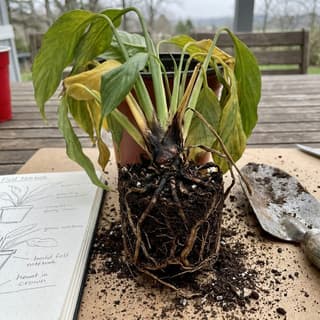
The Phytophthora genus consists of soil-borne oomycetes (water molds) that act as plant pathogens, primarily affecting trees and woody plants. It typically spreads through the root system, leading to systemic decline and eventual plant collapse.
Downy Mildew
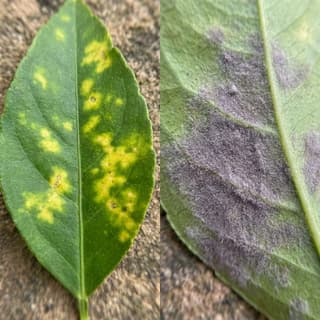
Pseudoperonospora is a genus of pathogens causing what is known as downy mildew. These are moisture-loving 'molds' from the kingdom Chromista that primarily attack leaves. Angular yellow spots appear between the veins on the upper side of the leaves, while a grayish-purple coating forms on the underside in humid conditions. The leaves turn brown, dry out, and the plant weakens. It most commonly affects cucumbers and other cucurbits (zucchini, pumpkins, melons) and, in our region, hops. It spreads via wind and rain and thrives during prolonged humidity, dew, cooler nights, and in stuffy greenhouses.
Annual Bluegrass (Poa annua)
MediumAnnual bluegrass is a common lawn weed that rapidly outcompetes desirable grass species. It is characterized by its lighter color, shallow root system, and prolific seed production even under low mowing heights. It is highly resilient and spreads quickly.