Mosaic Virus: How to Identify & Treat Fast
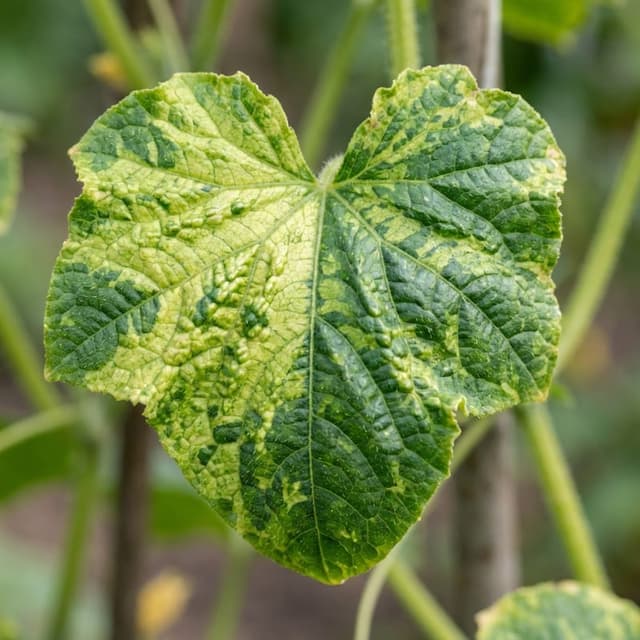
Potyviruses (family Potyviridae, genus Potyvirus) are plant viruses transmitted primarily by aphids during feeding and mechanically through sap. They cause mosaic patterns (light and dark patches) on leaves, leaf curling and distortion, vein clearing, leaf blistering, stunting, and in vegetables and fruits, streaks and discoloration. In potatoes (Potato virus Y), necrotic spots on leaves and ringspots on tubers may occur; in cucurbits (e.g., Zucchini yellow mosaic virus), distinct mosaic and deformations of leaves and fruit; in peppers, streaks and spots on fruit; in brassicas (Turnip mosaic virus), mosaic and stunted growth; and in plums, Sharka (plum pox) causing spots and fruit distortion. Infection can also be introduced via seeds, seedlings, tubers, scions, and host weeds. Unfortunately, infected plants cannot be cured.
What is Mosaic Virus?
Mosaic Virus is a other condition with moderate severity that affects plants. Potyviruses (family Potyviridae, genus Potyvirus) are plant viruses transmitted primarily by aphids during feeding and mechanically through sap. They cause mosaic patterns (light and dark patches) on leaves, leaf curling and distortion, vein clearing, leaf blistering, stunting, and in vegetables and...
Mosaic Virus is a other disease with moderate severity. It affects 3 plant species in our database.
Unlike many common diseases, Mosaic Virus is not contagious between plants.
🧪 Natural vs Chemical: Which Treatment Works for Mosaic Virus?
🌱 Natural Solutions
- ✓ Immediately remove and dispose of infected plants, including roots, and do not compost them.
- ✓ Maintain hygiene by disinfecting knives, pruners, and pots with approximately 70% alcohol or a 1:9 bleach solution, and wash hands and change gloves between plants.
- ✓ Control vectors by regularly rinsing aphids off with a strong stream of water, hanging yellow sticky traps for monitoring, covering crops with row covers, and using light-colored or reflective mulches to discourage aphids from landing.
- ✓ Quarantine new plants by keeping them isolated for 2-3 weeks and observing for symptoms.
- ✓ Remove host weeds, especially from the Solanaceae, Cucurbitaceae, and Brassicaceae families, and eliminate volunteers from previous crops.
- ✓ Do not take scions, seeds, or cuttings from plants suspected of infection.
💉 Chemical Solutions
- ✓ Control aphids using potassium soaps and horticultural oils based on rapeseed or paraffin oil to manage aphid populations and reduce virus transmission, as they act on contact and mitigate rapid non-persistent infections.
- ✓ As a last resort, use plant-derived pyrethrins.
- ✓ Disinfect tools with approximately 70% alcohol or a 1:9 bleach solution, then rinse and dry.
🛡️ How to Prevent Mosaic Virus?
TLDR: Prevent Mosaic Virus with 7 essential care practices. Regular monitoring is key for early detection.
- ✓ Purchase certified or high-quality seeds, seed potatoes, bulbs, and scions.
- ✓ Choose tolerant or resistant varieties, such as potatoes resistant to Virus Y, cucurbit varieties resistant to Zucchini yellow mosaic virus, and brassicas with resistance to Turnip mosaic virus.
- ✓ Monitor and control aphids early in the season using row covers (agrofibre) and reflective mulches.
- ✓ Maintain good hygiene and avoid handling plants when they are wet.
- ✓ Regularly weed beds and borders, removing host plants and volunteers (self-sown plants).
- ✓ Do not move seedlings between plots without ensuring they are healthy.
- ✓ Plan crop rotation and avoid planting the same plant groups in the same location every year; maintain good growing conditions by providing adequate water, ventilation, and fertilization to reduce stress and susceptibility.
🔗Related Diseases
Phytophthora Root Rot
The Phytophthora genus consists of soil-borne oomycetes (water molds) that act as plant pathogens, primarily affecting trees and woody plants. It typically spreads through the root system, leading to systemic decline and eventual plant collapse.
Downy Mildew
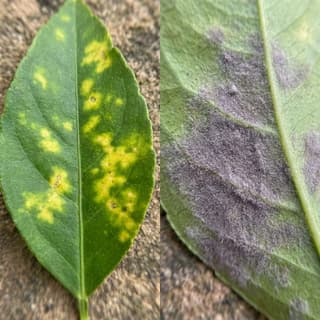
Pseudoperonospora is a genus of pathogens causing what is known as downy mildew. These are moisture-loving 'molds' from the kingdom Chromista that primarily attack leaves. Angular yellow spots appear between the veins on the upper side of the leaves, while a grayish-purple coating forms on the underside in humid conditions. The leaves turn brown, dry out, and the plant weakens. It most commonly affects cucumbers and other cucurbits (zucchini, pumpkins, melons) and, in our region, hops. It spreads via wind and rain and thrives during prolonged humidity, dew, cooler nights, and in stuffy greenhouses.
Annual Bluegrass (Poa annua)
MediumAnnual bluegrass is a common lawn weed that rapidly outcompetes desirable grass species. It is characterized by its lighter color, shallow root system, and prolific seed production even under low mowing heights. It is highly resilient and spreads quickly.
Phlaeothripidae
Phlaeothripidae is a family of thrips (very small, elongated insects). Many species live on fungi or decaying plant matter and rarely damage plants, but others feed on plant tissues. By sucking sap, they rupture cells and leave silvery or translucent patches on leaves, black specks (their excrement), curled or deformed foliage, and flowers that fail to open properly. They typically hide on the underside of leaves, in tender shoots, and within flowers. They are most active during warm, dry weather. They primarily affect indoor and outdoor ornamental plants with tender foliage (e.g., Ficus, Laurel, rose bushes, potted citrus, and flowering plants).