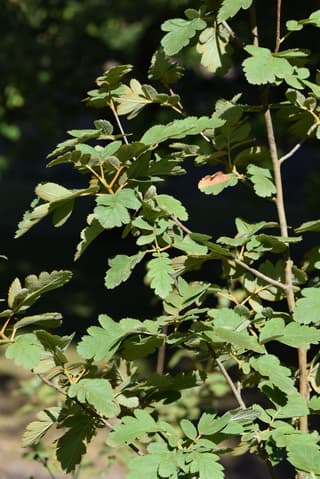
Swedish Service-tree with Eriophyid Mites? Rare but Treatable
Hedlundia hybrida
Eriophyid Mites on Swedish Service-tree: What to Know?
Eriophyid Mites on Swedish Service-tree (Hedlundia hybrida) is a pest condition with moderate severity. Swedish Service-tree has low susceptibility to this disease. Eriophyid mites (family Eriophyidae) are extremely small, worm-shaped mites that feed by piercing plant tissue and sucking out the contents. They live on young leaves, buds, and sometimes fruit. Typic...
Swedish Service-tree is a easy-care plant.
Unlike most plants, Swedish Service-tree has natural resistance to Eriophyid Mites. Best treated with preventive measures rather than reactive treatment. Unlike fungal diseases, Eriophyid Mites on Swedish Service-tree responds quickly to integrated pest management.
🛡️ How to Prevent Eriophyid Mites on Swedish Service-tree?
TLDR: Prevent Eriophyid Mites on Swedish Service-tree with 7 essential preventive care practices.
- ✓ Regularly inspect plants for early signs such as blistered or felted patches and distorted new growth.
- ✓ Quarantine new plants for 2 to 3 weeks and inspect with a hand lens if possible.
- ✓ Promptly prune out abnormal growth and remove fallen galled material, disposing of it in the bin.
- ✓ Maintain plant vigor with balanced fertilization, consistent watering, and good airflow, while avoiding excessive nitrogen.
- ✓ Apply a dormant oil to susceptible outdoor plants each late winter when appropriate.
- ✓ Choose cultivars known to be less prone to galling or russeting when available.
- ✓ Avoid broad-spectrum insecticides that harm beneficial mites and can lead to mite outbreaks.
🌱 How to Care for Swedish Service-tree to Prevent Eriophyid Mites?
💧 How to Water
Water young trees during long dry spells, keeping the soil moist but not soggy. Once established it usually manages on rainfall.
☀️ Lighting
It prefers full, open sun. It tolerates light shade but fruits better in sun.
🪴 Ideal Soil
It accepts most reasonable soils, from sandy to clay, as long as water drains away. It prefers humus-rich soil that stays moist without being waterlogged.