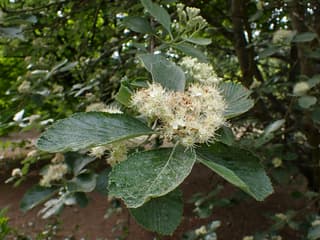
Whitebeam with Eriophyid Mites? Rare but Treatable
Aria edulis
Eriophyid Mites on Whitebeam: What to Know?
Eriophyid Mites on Whitebeam (Aria edulis) is a pest condition with moderate severity. Whitebeam has low susceptibility to this disease. Eriophyid mites (family Eriophyidae) are extremely small, worm-shaped mites that feed by piercing plant tissue and sucking out the contents. They live on young leaves, buds, and sometimes fruit. Typic...
Whitebeam is a medium-care plant.
Unlike most plants, Whitebeam has natural resistance to Eriophyid Mites. Best treated with preventive measures rather than reactive treatment. Unlike fungal diseases, Eriophyid Mites on Whitebeam responds quickly to integrated pest management.
🛡️ How to Prevent Eriophyid Mites on Whitebeam?
TLDR: Prevent Eriophyid Mites on Whitebeam with 7 essential preventive care practices.
- ✓ Regularly inspect plants for early signs such as blistered or felted patches and distorted new growth.
- ✓ Quarantine new plants for 2 to 3 weeks and inspect with a hand lens if possible.
- ✓ Promptly prune out abnormal growth and remove fallen galled material, disposing of it in the bin.
- ✓ Maintain plant vigor with balanced fertilization, consistent watering, and good airflow, while avoiding excessive nitrogen.
- ✓ Apply a dormant oil to susceptible outdoor plants each late winter when appropriate.
- ✓ Choose cultivars known to be less prone to galling or russeting when available.
- ✓ Avoid broad-spectrum insecticides that harm beneficial mites and can lead to mite outbreaks.
🌱 How to Care for Whitebeam to Prevent Eriophyid Mites?
💧 How to Water
Water regularly during the first year after planting to help roots establish. Once established, the tree is drought tolerant and only needs supplemental watering during prolonged dry spells.
☀️ Lighting
Performs best in full sun, which encourages heavier fruiting, though it also grows well in light woodland shade.
🪴 Ideal Soil
Adapts to sandy, clay or loamy soils as long as they are well drained. Naturally prefers chalk or limestone soils but tolerates a range from mildly acidic to alkaline.