Fasciation: Common Issue & Easy Fix
Fasciation is a rare condition where a plant part grows wide and flat instead of round. It looks like several stems are fused together. It can be caused by genetic accidents, bacteria, or tiny pests like mites. While it looks strange, it usually does not kill the plant, but it can weaken it over time.
Slow
30 days
What is Fasciation?
Fasciation is a other condition with low severity that affects plants. Fasciation is a rare condition where a plant part grows wide and flat instead of round. It looks like several stems are fused together. It can be caused by genetic accidents, bacteria, or tiny pests like mites. While it looks strange, it usually does not kill the plant, but it can weaken it over tim...
Fasciation is a other disease with low severity that spreads at a slow rate. Recovery typically takes approximately 30 days with proper treatment. This condition is contagious and can spread between plants.
Unlike severe diseases, Fasciation is rarely fatal. Best treated with homemade organic methods. Without isolation, nearby plants can become infected within days.
🔍 What Are the Symptoms of Fasciation?
TLDR: Fasciation presents 4 main symptoms. Early identification is crucial for effective treatment.
Main Symptoms
- ! Stems that look flattened or ribbon-like
- ! Flowers that appear elongated or distorted
- ! Multiple growing points clustered together
- ! Stems that look like many small stems fused into one
Visual Signs
❓ What Causes Fasciation in Plants?
- → Random genetic mutation
- → Bacterial infection like Rhodococcus fascians
- → Attack by microscopic mites or insects
- → Physical damage to the growing tip
💊 How to Treat Fasciation?
Step by Step
- 1
Identify the flattened stems
- 2
Cut off the distorted parts below the growth
- 3
Clean tools after every single cut
- 4
Monitor for new normal growth
🧪 Natural vs Chemical: Which Treatment Works for Fasciation?
🌱 Natural Solutions
- ✓ Pruning out the affected growth
- ✓ Neem oil spray for mite control
- ✓ Sterilizing tools between every cut
💉 Chemical Solutions
- ✓ Copper-based bactericide
- ✓ Broad-spectrum miticide
🛡️ How to Prevent Fasciation?
TLDR: Prevent Fasciation with 4 essential care practices. Regular monitoring is key for early detection.
- ✓ Buy healthy plants from trusted sources
- ✓ Clean your garden tools with rubbing alcohol
- ✓ Control sap-sucking insects early
- ✓ Avoid heavy pruning during peak growth
🔗Related Diseases
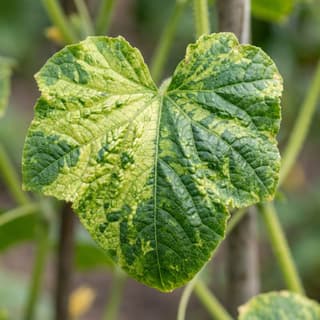
Mosaic Virus
Potyviruses (family Potyviridae, genus Potyvirus) are plant viruses transmitted primarily by aphids during feeding and mechanically through sap. They cause mosaic patterns (light and dark patches) on leaves, leaf curling and distortion, vein clearing, leaf blistering, stunting, and in vegetables and fruits, streaks and discoloration. In potatoes (Potato virus Y), necrotic spots on leaves and ringspots on tubers may occur; in cucurbits (e.g., Zucchini yellow mosaic virus), distinct mosaic and deformations of leaves and fruit; in peppers, streaks and spots on fruit; in brassicas (Turnip mosaic virus), mosaic and stunted growth; and in plums, Sharka (plum pox) causing spots and fruit distortion. Infection can also be introduced via seeds, seedlings, tubers, scions, and host weeds. Unfortunately, infected plants cannot be cured.
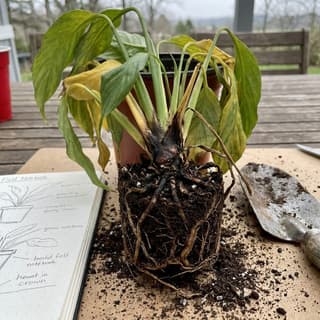
Phytophthora Root Rot
The Phytophthora genus consists of soil-borne oomycetes (water molds) that act as plant pathogens, primarily affecting trees and woody plants. It typically spreads through the root system, leading to systemic decline and eventual plant collapse.
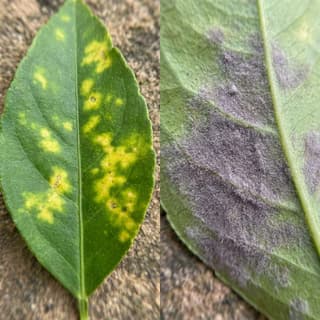
Downy Mildew
Pseudoperonospora is a genus of pathogens causing what is known as downy mildew. These are moisture-loving 'molds' from the kingdom Chromista that primarily attack leaves. Angular yellow spots appear between the veins on the upper side of the leaves, while a grayish-purple coating forms on the underside in humid conditions. The leaves turn brown, dry out, and the plant weakens. It most commonly affects cucumbers and other cucurbits (zucchini, pumpkins, melons) and, in our region, hops. It spreads via wind and rain and thrives during prolonged humidity, dew, cooler nights, and in stuffy greenhouses.
Annual Bluegrass (Poa annua)
MediumAnnual bluegrass is a common lawn weed that rapidly outcompetes desirable grass species. It is characterized by its lighter color, shallow root system, and prolific seed production even under low mowing heights. It is highly resilient and spreads quickly.