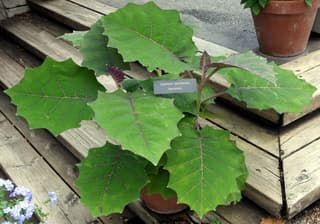
Naranjilla with Fruit Rot: Prevention & Cure
Solanum quitoense
Fruit Rot on Naranjilla: What to Know?
Fruit Rot on Naranjilla (Solanum quitoense) is a fungal condition with high severity. Naranjilla has moderate susceptibility to this disease. Fruit rot is a fungal disease caused by various fungi such as Botrytis or Monilia. It manifests as rapidly spreading brown spots that soften tissues and often cover the fruit with a gray or white down...
Naranjilla is a medium-care plant. Recovery from Fruit Rot takes approximately 21 days with proper treatment.
Unlike bacterial infections, Fruit Rot on Naranjilla can be managed with organic fungicides.
🔍 What Does Fruit Rot Look Like on Naranjilla?
- • Circular brown spots on the skin
- • Rapid softening of the flesh
- • Appearance of gray downy growth or mold
- • Mummification of fruits remaining on the tree
- • Sticky liquid discharge
❓ What Causes Fruit Rot on Naranjilla?
- → Excessive humidity and rain
- → Wounds caused by insects or hail
- → Lack of air circulation between fruits
- → Mild and humid temperatures
🛡️ How to Prevent Fruit Rot on Naranjilla?
TLDR: Prevent Fruit Rot on Naranjilla with 4 essential preventive care practices.
- ✓ Space plants to promote aeration
- ✓ Water at the base without wetting the fruits
- ✓ Collect fallen fruits from the ground
- ✓ Prune dead branches in winter
🌱 How to Care for Naranjilla to Prevent Fruit Rot?
💧 How to Water
Keep the soil evenly moist but never waterlogged, usually every 2-4 days depending on heat and rain. Drought during flowering and fruit set makes flowers and fruit drop.
☀️ Lighting
Prefers partial shade or overcast conditions, like the forest understory it comes from. Strong midday sun scorches the big leaves; shade cloth or nearby trees help.
🪴 Ideal Soil
Deep, loamy soil rich in organic matter, well drained and slightly acidic (pH 5.5-6.5). Dig in compost or well-rotted manure before planting.