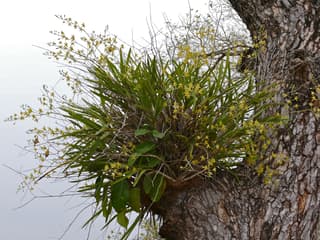
Leopard Orchid with Fungi? Rare but Treatable
Ansellia africana
Fungi on Leopard Orchid: What to Know?
Fungi on Leopard Orchid (Ansellia africana) is a other condition with moderate severity. Leopard Orchid has low susceptibility to this disease. Fungi take energy from the plants on which they live, causing damage to the plant. Fungal infections are responsible for approximately two-thirds of infectious plant diseases and cause wilting, moldin...
Leopard Orchid is a medium-care plant. As an indoor plant, ensure good ventilation to aid recovery.
Unlike most plants, Leopard Orchid has natural resistance to Fungi. Best treated with preventive measures rather than reactive treatment.
🛡️ How to Prevent Fungi on Leopard Orchid?
TLDR: Prevent Fungi on Leopard Orchid with 6 essential preventive care practices.
- ✓ Use resistant species and cultivars as well as healthy, certified seeds and seedlings.
- ✓ Ensure having good soil drainage to avoid overwatering.
- ✓ Improve the air circulation around the plant (e.g. by pruning excess foliage or increasing the spacing between plants).
- ✓ Avoid prolonged wetting of the leaves, which can be caused e.g. by overhead irrigation.
- ✓ Rotate crops. Avoid planting sensitive crops in infested soil.
- ✓ Disinfect tools, infected flower pots, and hands to avoid disease transmission.
🌱 How to Care for Leopard Orchid to Prevent Fungi?
💧 How to Water
Water thoroughly during the active growing season, letting the top 2-3 inches of the mix dry between waterings; reduce sharply in winter to trigger blooming.
☀️ Lighting
Provide bright, indirect to filtered light (around 40% shade); protect from intense midday sun, which can scorch the leathery leaves.
🪴 Ideal Soil
Pot in a coarse, open orchid mix of bark, perlite and coconut chips, or mount on a slab to mimic its epiphytic habitat, always ensuring excellent drainage.