Amaryllis with Fungus Gnats? Rare but Treatable
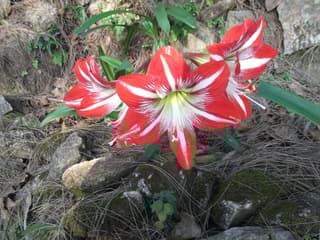
Hippeastrum vittatum
Fungus Gnats on Amaryllis: What to Know?
Fungus Gnats on Amaryllis (Hippeastrum vittatum) is a pest condition with moderate severity. Amaryllis has low susceptibility to this disease. Fungus gnats are small, gray-to-black mosquito-like insects (1/8 to 1/10 inches long) commonly found in indoor plants. Adult gnats are mostly a nuisance, but their larvae feed on plant roots and organ...
Amaryllis is a medium-care plant. Recovery from Fungus Gnats takes approximately 14 days with proper treatment. As an indoor plant, ensure good ventilation to aid recovery.
Unlike most plants, Amaryllis has natural resistance to Fungus Gnats. Best treated with preventive measures rather than reactive treatment. Unlike fungal diseases, Fungus Gnats on Amaryllis responds quickly to integrated pest management. Without precautions, chemical treatments for Fungus Gnats can be harmful to pets. Use organic methods for Amaryllis in pet-friendly homes.
🔍 What Does Fungus Gnats Look Like on Amaryllis?
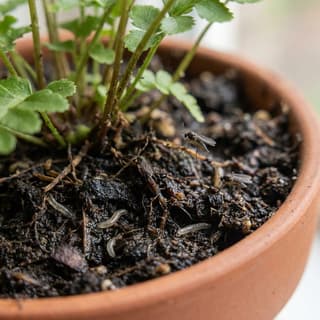
- • Small dark flying insects resembling mosquitoes hovering around plants
- • Translucent white larvae (5mm) with black heads visible in soil
- • Slime trails on soil surface in severe infestations
- • Yellowing leaves without obvious cause
- • Stunted or slow growth
- • Wilting despite adequate watering
- • Root damage visible when plant is unpotted
- • Seedlings or cuttings failing to thrive
❓ What Causes Fungus Gnats on Amaryllis?
- → Overwatering creating persistently moist soil conditions
- → Organic-rich potting mixes that retain excessive moisture
- → Poor drainage in containers
- → Presence of decaying organic matter in soil
- → Bringing infested plants indoors
- → Using contaminated potting soil
- → High humidity combined with wet soil
- → Lack of air circulation around plants
💊 How to Treat Fungus Gnats on Amaryllis?
TLDR: Treat Fungus Gnats on Amaryllis with quick treatment (~7 days) or organic (~14 days). Amaryllis has low susceptibility to this disease.
Quick Fixes
Step 1
Remove top 1-2 inches of infested soil and replace with fresh sterile potting mix
Step 2
Apply hydrogen peroxide solution (1 part 3% peroxide to 4 parts water) as soil drench
Step 3
Set up multiple yellow sticky traps around affected plants immediately
Step 4
Stop watering for 3-5 days to kill larvae and eggs
Step 5
Apply BTi mosquito dunk solution for immediate larvae control
Organic Treatment
Step 1
Allow soil to dry completely between waterings to disrupt larvae lifecycle
Step 2
Apply food-grade diatomaceous earth (1/4 inch layer) on soil surface
Step 3
Water plants with BTi (Bacillus thuringiensis israelensis) solution using mosquito dunks
Step 4
Sprinkle cinnamon powder on topsoil as natural fungicide
Step 5
Place yellow sticky traps near plants to capture adult gnats
Step 6
Introduce beneficial nematodes (Steinernema feltiae) to soil for larvae control
🛡️ How to Prevent Fungus Gnats on Amaryllis?
TLDR: Prevent Fungus Gnats on Amaryllis with 9 essential preventive care practices.
- ✓ Allow soil to dry to 1-2 inches depth between waterings
- ✓ Use well-draining potting mixes
- ✓ Ensure pots have adequate drainage holes
- ✓ Inspect new plants thoroughly before bringing them home
- ✓ Remove dead leaves and plant debris from soil surface
- ✓ Avoid overwatering, especially in winter months
- ✓ Cover soil surface with sand or gravel to deter egg-laying
- ✓ Quarantine new plants for 2-3 weeks before placing near others
- ✓ Improve air circulation around plants
🌱 How to Care for Amaryllis to Prevent Fungus Gnats?
💧 How to Water
Water 2-3 times per week during flowering and active growth. Completely stop watering when leaves wilt to allow the necessary dormancy period. Avoid wetting the bulb directly to prevent rot.
☀️ Lighting
Prefers bright indirect light. Can tolerate morning sun but protect from intense midday sun. Rotate the pot occasionally for even growth.
🪴 Ideal Soil
Use well-draining substrate composed of equal parts peat, soil, and sand. Plant the bulb leaving 1/3 exposed above the soil. Avoid waterlogging which can rot the bulb.
Frequently asked questions
Can Fungus Gnats kill my Amaryllis?
How long does Amaryllis take to recover from Fungus Gnats?
Is Fungus Gnats contagious to other plants near Amaryllis?
Sources & References
- Fungus Gnats Management Guidelines--UC IPM
- Organic Fungus Gnat Control | ARBICO Organics
- How to Get Rid of Fungus Gnats Effectively (Complete Guide)
- How to Get Rid of Fungus Gnats
- Fungus Gnats - Plant & Pest Diagnostics
- Cultivo de Amarilis - Agromatica
- Hippeastrum - InfoJardin
- Hippeastrum - Elicriso