
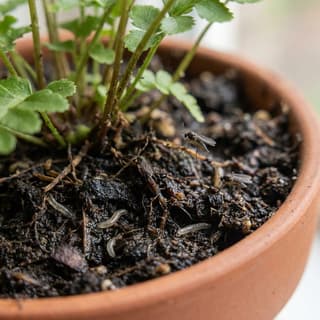
Haworthia-leaved Aloe with Fungus Gnats? Rare but Treatable
Aloe haworthioides
Fungus Gnats on Haworthia-leaved Aloe: What to Know?
Fungus Gnats on Haworthia-leaved Aloe (Aloe haworthioides) is a pest condition with moderate severity. Haworthia-leaved Aloe has low susceptibility to this disease. Fungus gnats are small, gray-to-black mosquito-like insects (1/8 to 1/10 inches long) commonly found in indoor plants. Adult gnats are mostly a nuisance, but their larvae feed on plant roots and organ...
Haworthia-leaved Aloe is a easy-care plant. Recovery from Fungus Gnats takes approximately 14 days with proper treatment. As an indoor plant, ensure good ventilation to aid recovery.
Unlike most plants, Haworthia-leaved Aloe has natural resistance to Fungus Gnats. Best treated with preventive measures rather than reactive treatment. Unlike fungal diseases, Fungus Gnats on Haworthia-leaved Aloe responds quickly to integrated pest management. Without precautions, chemical treatments for Fungus Gnats can be harmful to pets. Use organic methods for Haworthia-leaved Aloe in pet-friendly homes.
🔍 What Does Fungus Gnats Look Like on Haworthia-leaved Aloe?
- • Small dark flying insects resembling mosquitoes hovering around plants
- • Translucent white larvae (5mm) with black heads visible in soil
- • Slime trails on soil surface in severe infestations
- • Yellowing leaves without obvious cause
- • Stunted or slow growth
- • Wilting despite adequate watering
- • Root damage visible when plant is unpotted
- • Seedlings or cuttings failing to thrive
❓ What Causes Fungus Gnats on Haworthia-leaved Aloe?
- → Overwatering creating persistently moist soil conditions
- → Organic-rich potting mixes that retain excessive moisture
- → Poor drainage in containers
- → Presence of decaying organic matter in soil
- → Bringing infested plants indoors
- → Using contaminated potting soil
- → High humidity combined with wet soil
- → Lack of air circulation around plants
💊 How to Treat Fungus Gnats on Haworthia-leaved Aloe?
TLDR: Treat Fungus Gnats on Haworthia-leaved Aloe with quick treatment (~7 days) or organic (~14 days). Haworthia-leaved Aloe has low susceptibility to this disease.
Quick Fixes
Step 1
Remove top 1-2 inches of infested soil and replace with fresh sterile potting mix
Step 2
Apply hydrogen peroxide solution (1 part 3% peroxide to 4 parts water) as soil drench
Step 3
Set up multiple yellow sticky traps around affected plants immediately
Step 4
Stop watering for 3-5 days to kill larvae and eggs
Step 5
Apply BTi mosquito dunk solution for immediate larvae control
Organic Treatment
Step 1
Allow soil to dry completely between waterings to disrupt larvae lifecycle
Step 2
Apply food-grade diatomaceous earth (1/4 inch layer) on soil surface
Step 3
Water plants with BTi (Bacillus thuringiensis israelensis) solution using mosquito dunks
Step 4
Sprinkle cinnamon powder on topsoil as natural fungicide
Step 5
Place yellow sticky traps near plants to capture adult gnats
Step 6
Introduce beneficial nematodes (Steinernema feltiae) to soil for larvae control
🛡️ How to Prevent Fungus Gnats on Haworthia-leaved Aloe?
TLDR: Prevent Fungus Gnats on Haworthia-leaved Aloe with 9 essential preventive care practices.
- ✓ Allow soil to dry to 1-2 inches depth between waterings
- ✓ Use well-draining potting mixes
- ✓ Ensure pots have adequate drainage holes
- ✓ Inspect new plants thoroughly before bringing them home
- ✓ Remove dead leaves and plant debris from soil surface
- ✓ Avoid overwatering, especially in winter months
- ✓ Cover soil surface with sand or gravel to deter egg-laying
- ✓ Quarantine new plants for 2-3 weeks before placing near others
- ✓ Improve air circulation around plants
🌱 How to Care for Haworthia-leaved Aloe to Prevent Fungus Gnats?
💧 How to Water
Water only when the substrate is completely dry (approximately every 2-3 weeks) and allow the water to drain thoroughly. This species is very sensitive to waterlogging: overwatering easily rots the roots and the base of the leaves. Reduce frequency even further during fall and winter.
☀️ Lighting
Place it in a spot with bright light and, preferably, several hours of direct sun per day, such as a south-facing windowsill. In very hot climates, protect it from the afternoon sun to prevent leaf scorch.
🪴 Ideal Soil
Use a specific mix for cacti and succulents, or a sandy blend with 50-70% mineral material (coarse sand, perlite, or pumice) to ensure rapid drainage and prevent root rot.
Frequently asked questions
Can Fungus Gnats kill my Haworthia-leaved Aloe?
How long does Haworthia-leaved Aloe take to recover from Fungus Gnats?
Is Fungus Gnats contagious to other plants near Haworthia-leaved Aloe?
Sources & References
- Fungus Gnats Management Guidelines--UC IPM
- Organic Fungus Gnat Control | ARBICO Organics
- How to Get Rid of Fungus Gnats Effectively (Complete Guide)
- How to Get Rid of Fungus Gnats
- Fungus Gnats - Plant & Pest Diagnostics
- Haworthia Leaved Aloe Plant Care & Growing Basics - PlantIn
- Aloe Pests and Diseases - Henry Shaw Cactus and Succulent Society
- Aloe haworthioides - Wikipedia
- Aloe haworthioides - Encyclopedia of Succulents (llifle)