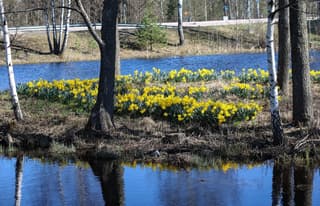
Wild Daffodil Prone to Fusarium Wilt: How to Protect
Narcissus pseudonarcissus
Fusarium Wilt on Wild Daffodil: What to Know?
Fusarium Wilt on Wild Daffodil (Narcissus pseudonarcissus) is a fungal condition with moderate severity. Wild Daffodil has high susceptibility to this disease. Fusarium is a soil-borne fungus that primarily attacks the roots and vascular tissues of plants. It enters through small wounds or stressed roots, is favored by warm temperatures and waterlogging, and...
Wild Daffodil is a easy-care plant. As an indoor plant, ensure good ventilation to aid recovery.
Wild Daffodil is highly susceptible to Fusarium Wilt, unlike most plants in the same family. Unlike bacterial infections, Fusarium Wilt on Wild Daffodil can be managed with organic fungicides. Without precautions, chemical treatments for Fusarium Wilt can be harmful to pets. Use organic methods for Wild Daffodil in pet-friendly homes.
🛡️ How to Prevent Fusarium Wilt on Wild Daffodil?
TLDR: Prevent Fusarium Wilt on Wild Daffodil with 8 essential preventive care practices.
- ✓ Purchase healthy, certified seedlings and quarantine new arrivals for 10–14 days.
- ✓ Use quality potting mix and clean pots, and do not reuse substrate from diseased plants.
- ✓ Avoid overwatering by irrigating in the morning, allowing the soil to dry slightly between applications, and keeping the plant crown dry.
- ✓ Ensure good drainage and soil aeration, and do not compact the soil.
- ✓ Provide balanced nutrition without excessive nitrogen and maintain the appropriate pH for the species.
- ✓ In gardens, observe crop rotations of 3–4 years and alternate with non-host crops.
- ✓ Limit root trauma during transplanting and avoid moving soil between beds.
- ✓ Clean plant debris and regularly disinfect tools and work surfaces; in greenhouses, use shade cloths and ventilation during heatwaves.
🌱 How to Care for Wild Daffodil to Prevent Fusarium Wilt?
💧 How to Water
Water regularly and keep the soil consistently moist from planting through the end of flowering. Once the foliage begins to yellow after bloom, reduce watering and allow the bulb to dry out during its summer dormancy to prevent rot.
☀️ Lighting
Grow in full sun to light partial shade. At least six hours of direct light daily produces the strongest flowering; too much shade reduces bloom and weakens the bulb over time.
🪴 Ideal Soil
Plant in average, well-draining soil enriched with organic matter. The species tolerates a range of soils but flowers best in slightly acidic to neutral, moisture-retentive ground that never becomes waterlogged.
Frequently asked questions
Can Fusarium Wilt kill my Wild Daffodil?
Is Fusarium Wilt contagious to other plants near Wild Daffodil?
Sources & References
- Narcissus pseudonarcissus: Complete care and characteristics guide
- Narcissus pseudonarcissus (Wild Daffodil) - Gardenia.net
- Toxic and Non-toxic Plants: Narcissus - ASPCA
- Narcissus Are Toxic To Pets - Pet Poison Helpline
- Narcissus Basal Rot: How to Prevent - RHS
- Diseases & Pests - American Daffodil Society
- Daffodil (Narcissus)-Bulb fly - PNW Handbooks