Knapweed / Cornflower with Gray Mold (Botrytis Blight)? Rare but Treatable
Centaurea
Gray Mold (Botrytis Blight) on Knapweed / Cornflower: What to Know?
Gray Mold (Botrytis Blight) on Knapweed / Cornflower (Centaurea) is a fungal condition with high severity. Knapweed / Cornflower has low susceptibility to this disease. Gray mold, caused by the fungus Botrytis cinerea, is a widespread necrotrophic pathogen affecting over 1,400 plant species. It thrives in cool, humid conditions and attacks weakened or aging plant tis...
Knapweed / Cornflower is a easy-care plant. Recovery from Gray Mold (Botrytis Blight) takes approximately 21 days with proper treatment.
Unlike most plants, Knapweed / Cornflower has natural resistance to Gray Mold (Botrytis Blight). Best treated with preventive measures rather than reactive treatment. Unlike bacterial infections, Gray Mold (Botrytis Blight) on Knapweed / Cornflower can be managed with organic fungicides.
🔍 What Does Gray Mold (Botrytis Blight) Look Like on Knapweed / Cornflower?
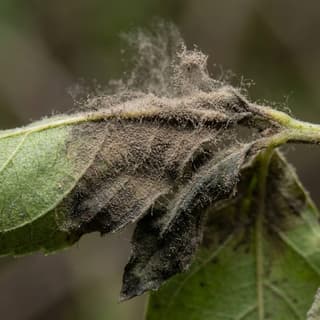
- • Gray, fuzzy mold coating on flowers, leaves, stems, or fruits
- • Soft, water-soaked brown lesions that rapidly expand
- • Wilting and browning of flower petals
- • Cloud of gray spores released when infected parts are disturbed
- • Black, hard sclerotia (fungal survival structures) forming under rotted areas
- • Ghost spots on fruits - small whitish rings from aborted infections
- • Rapid tissue collapse and decay
❓ What Causes Gray Mold (Botrytis Blight) on Knapweed / Cornflower?
- → Fungal spores spread by air, water, and contact
- → Free moisture on plant surfaces for 8-12 hours
- → High relative humidity (>93% in canopy)
- → Cool temperatures (55-65°F / 13-18°C)
- → Poor air circulation
- → Dense plant canopies with overlapping foliage
- → Wounded, aging, or stressed plant tissues
- → Overhead watering that keeps foliage wet
💊 How to Treat Gray Mold (Botrytis Blight) on Knapweed / Cornflower?
TLDR: Treat Gray Mold (Botrytis Blight) on Knapweed / Cornflower with quick treatment (~11 days) or organic (~21 days). Knapweed / Cornflower has low susceptibility to this disease.
Quick Fixes
Step 1
Immediately remove all visibly infected plant parts
Step 2
Apply fast-acting systemic fungicide (fenhexamid or similar)
Step 3
Reduce humidity below 85% using dehumidifier or ventilation
Step 4
Move plants to well-ventilated area with good air circulation
Step 5
Stop all overhead watering immediately
Step 6
Apply second fungicide treatment after 7 days
Step 7
Remove any new infections daily for 2 weeks
Step 8
Apply preventive fungicide spray weekly for 3 weeks
Organic Treatment
Step 1
Isolate infected plants immediately to prevent spore spread
Step 2
Remove all infected tissues (flowers, leaves, stems) using sterilized pruners
Step 3
Apply Bacillus subtilis biological fungicide spray to all plant surfaces
Step 4
Spray neem oil solution (1-2% concentration) covering entire plant
Step 5
Improve air circulation with fans running 12+ hours daily
Step 6
Apply potassium bicarbonate foliar spray weekly
Step 7
Introduce Trichoderma biocontrol agent to soil and leaves
Step 8
Monitor daily and remove any new infections immediately
Step 9
Reapply organic treatments every 5-7 days for 3 weeks
🛡️ How to Prevent Gray Mold (Botrytis Blight) on Knapweed / Cornflower?
TLDR: Prevent Gray Mold (Botrytis Blight) on Knapweed / Cornflower with 9 essential preventive care practices.
- ✓ Ensure excellent air circulation around plants
- ✓ Space plants adequately to prevent overcrowding
- ✓ Water at soil level early in the day to allow foliage to dry
- ✓ Avoid overhead watering during blooming
- ✓ Remove dead flowers, leaves, and plant debris promptly
- ✓ Maintain relative humidity below 85% if possible
- ✓ Provide proper nutrition - avoid excessive nitrogen
- ✓ Prune dense growth to improve airflow
- ✓ Quarantine new plants before introducing to collection
🌱 How to Care for Knapweed / Cornflower to Prevent Gray Mold (Botrytis Blight)?
💧 How to Water
Water young plants regularly until established. Mature plants are drought-tolerant and need watering only during prolonged dry spells (every 10-14 days). Avoid waterlogging — they are susceptible to root rot in poorly drained soils.
☀️ Lighting
Full sun preferred (minimum 6 hours of direct sunlight daily). Will tolerate light partial shade but flowering will be less prolific. Avoid deep shade.
🪴 Ideal Soil
Well-drained, moderately fertile to poor soil with a pH of 5.5–7.5. Tolerates chalk, clay, and sandy soils provided drainage is adequate. Does not require enriched or heavy soils.
Frequently asked questions
Can Gray Mold (Botrytis Blight) kill my Knapweed / Cornflower?
How long does Knapweed / Cornflower take to recover from Gray Mold (Botrytis Blight)?
Is Gray Mold (Botrytis Blight) contagious to other plants near Knapweed / Cornflower?
Sources & References
- Managing Botrytis or Gray Mold in the Greenhouse
- Gray Mold (Botrytis Blight)
- Gray Mold: Symptoms, Treatment and Control
- Grey mould - RHS
- How to Prevent and Treat Botrytis Cinerea
- Botrytis Cinerea: How To Prevent And Control The Disease
- Centaurea - Wikipedia
- Centaurea (Perennial Cornflowers | Knapweed) Plant & Care Guide - Claire Austin
- Cornflower (Centaurea) - Meaning, Symbolism and Uses - A to Z Flowers
- Centaurea Plant Growing & Care Guide for Gardeners
- Centaurea montana - NC Extension Gardener Plant Toolbox