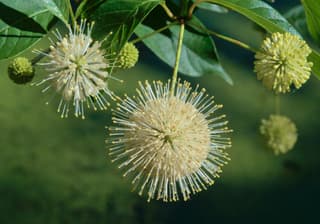
Buttonbush with Animal Feeding Damage: Prevention & Cure
Cephalanthus occidentalis
Animal Feeding Damage on Buttonbush: What to Know?
Animal Feeding Damage on Buttonbush (Cephalanthus occidentalis) is a pest condition with moderate severity. Buttonbush has moderate susceptibility to this disease. Damage to plants caused by the feeding activities of animals such as insects, slugs, snails, or rodents. This weakens the plant and creates entry points for secondary diseases.
Buttonbush is a easy-care plant. Recovery from Animal Feeding Damage takes approximately 21 days with proper treatment.
Unlike fungal diseases, Animal Feeding Damage on Buttonbush responds quickly to integrated pest management. Without precautions, chemical treatments for Animal Feeding Damage can be harmful to pets. Use organic methods for Buttonbush in pet-friendly homes.
🔍 What Does Animal Feeding Damage Look Like on Buttonbush?
- • Holes in the leaves
- • Chewed leaf margins
- • Missing shoot tips
- • Slime trails on the plant
- • Bite marks on stems or fruit
❓ What Causes Animal Feeding Damage on Buttonbush?
- → Caterpillars and beetle larvae
- → Slug or snail infestation
- → Wildlife such as rabbits or deer
- → Aphids or other sap-sucking insects
🛡️ How to Prevent Animal Feeding Damage on Buttonbush?
TLDR: Prevent Animal Feeding Damage on Buttonbush with 4 essential preventive care practices.
- ✓ Use protective fencing or netting
- ✓ Encourage beneficial insects like ladybugs
- ✓ Regularly inspect the undersides of leaves
- ✓ Use strong odors like garlic as a deterrent
🌱 How to Care for Buttonbush to Prevent Animal Feeding Damage?
💧 How to Water
Keep the soil consistently moist to wet—buttonbush tolerates periods of standing water and flooding far better than drought. During dry spells or when the plant is newly established, provide extra water; it is ideally suited for rain gardens or pond edges where the soil naturally retains moisture.
☀️ Lighting
Prefers full sun (at least 6 hours of direct sunlight) for the most profuse blooming, but also performs well in partial shade, especially in warmer climates.
🪴 Ideal Soil
Thrives in nutrient-rich, moist to wet soil and tolerates clay, sand, and loam. Prefers slightly acidic to neutral pH (approx. 5.5-7.2) and can handle periodic flooding without issues.
Frequently asked questions
Can Animal Feeding Damage kill my Buttonbush?
How long does Buttonbush take to recover from Animal Feeding Damage?
Is Animal Feeding Damage contagious to other plants near Buttonbush?
Sources & References
- Cephalanthus occidentalis (Buttonbush) - NC State Extension Gardener Plant Toolbox
- Buttonbush: A Growing Guide for Cephalanthus Occidentalis - Garden Design
- Buttonbush (Cephalanthus occidentalis): Grow, Care Guide - Gardenia.net
- Cephalanthus occidentalis, Buttonbush - Dallas County Master Gardeners Association