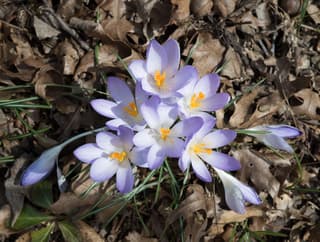
Crocus Prone to Animal Feeding Damage: How to Protect
Crocus
Animal Feeding Damage on Crocus: What to Know?
Animal Feeding Damage on Crocus (Crocus) is a pest condition with moderate severity. Crocus has high susceptibility to this disease. Damage to plants caused by the feeding activities of animals such as insects, slugs, snails, or rodents. This weakens the plant and creates entry points for secondary diseases.
Crocus is a easy-care plant. Recovery from Animal Feeding Damage takes approximately 21 days with proper treatment.
Crocus is highly susceptible to Animal Feeding Damage, unlike most plants in the same family. Without early intervention, recovery takes 32 days instead of 21 days. Unlike fungal diseases, Animal Feeding Damage on Crocus responds quickly to integrated pest management. Without precautions, chemical treatments for Animal Feeding Damage can be harmful to pets. Use organic methods for Crocus in pet-friendly homes.
🔍 What Does Animal Feeding Damage Look Like on Crocus?
- • Holes in the leaves
- • Chewed leaf margins
- • Missing shoot tips
- • Slime trails on the plant
- • Bite marks on stems or fruit
❓ What Causes Animal Feeding Damage on Crocus?
- → Caterpillars and beetle larvae
- → Slug or snail infestation
- → Wildlife such as rabbits or deer
- → Aphids or other sap-sucking insects
🛡️ How to Prevent Animal Feeding Damage on Crocus?
TLDR: Prevent Animal Feeding Damage on Crocus with 4 essential preventive care practices.
- ✓ Use protective fencing or netting
- ✓ Encourage beneficial insects like ladybugs
- ✓ Regularly inspect the undersides of leaves
- ✓ Use strong odors like garlic as a deterrent
🌱 How to Care for Crocus to Prevent Animal Feeding Damage?
💧 How to Water
Water well right after planting. From autumn to spring, water about once a week if there is no rain and the soil is dry 3 cm down. Once the leaves yellow in late spring, stop watering: dormant corms rot in damp summer soil.
☀️ Lighting
Full sun, 6 or more hours a day, so the flowers open fully; in shade the stems flop and the flowers stay closed. Light shade under deciduous trees works well.
🪴 Ideal Soil
Light, well-drained soil of average fertility with a near-neutral pH. In clay, mix in coarse grit; in containers, use bulb compost with a third of sand or perlite.