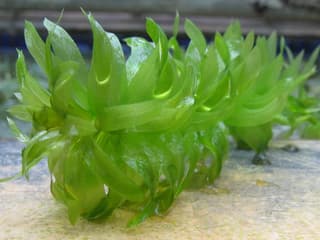
Brazilian Waterweed with Animal Feeding Damage: Prevention & Cure
Egeria densa
Animal Feeding Damage on Brazilian Waterweed: What to Know?
Animal Feeding Damage on Brazilian Waterweed (Egeria densa) is a pest condition with moderate severity. Brazilian Waterweed has moderate susceptibility to this disease. Damage to plants caused by the feeding activities of animals such as insects, slugs, snails, or rodents. This weakens the plant and creates entry points for secondary diseases.
Brazilian Waterweed is a easy-care plant. Recovery from Animal Feeding Damage takes approximately 21 days with proper treatment. As an indoor plant, ensure good ventilation to aid recovery.
Unlike fungal diseases, Animal Feeding Damage on Brazilian Waterweed responds quickly to integrated pest management.
🔍 What Does Animal Feeding Damage Look Like on Brazilian Waterweed?
- • Holes in the leaves
- • Chewed leaf margins
- • Missing shoot tips
- • Slime trails on the plant
- • Bite marks on stems or fruit
❓ What Causes Animal Feeding Damage on Brazilian Waterweed?
- → Caterpillars and beetle larvae
- → Slug or snail infestation
- → Wildlife such as rabbits or deer
- → Aphids or other sap-sucking insects
🛡️ How to Prevent Animal Feeding Damage on Brazilian Waterweed?
TLDR: Prevent Animal Feeding Damage on Brazilian Waterweed with 4 essential preventive care practices.
- ✓ Use protective fencing or netting
- ✓ Encourage beneficial insects like ladybugs
- ✓ Regularly inspect the undersides of leaves
- ✓ Use strong odors like garlic as a deterrent
🌱 How to Care for Brazilian Waterweed to Prevent Animal Feeding Damage?
💧 How to Water
Egeria densa is not watered: it is an entirely submerged plant, so the concept of watering frequency does not apply. What matters is the quality of the water it lives in: keep it clean with regular partial water changes (10-20% every 1-2 weeks), avoid untreated chlorine and heavy metals, and pay attention to copper-based products (used against algae or parasites), to which this plant is very sensitive. Good water turnover and proper filtration are more important than any 'watering'.
☀️ Lighting
It prefers moderate to intense light, ideally 6-8 hours a day with dedicated aquarium lighting: the more light it receives, the more compact, robust, and bright green the stems will be. In low-light conditions, it tends to stretch excessively, with sparse leaves and dull color. It should be kept away from direct sunlight, especially in summer, to avoid overheating the water and algae proliferation.
🪴 Ideal Soil
It does not require a rich substrate: it adapts well to fine gravel or sand, where the roots anchor only for stability, or it can be left to float freely without rooting. It does not need mineral fertilizers in the substrate, as it feeds primarily through its leaves by absorbing nutrients dissolved in the water.