Radican Sword with Animal Feeding Damage? Rare but Treatable
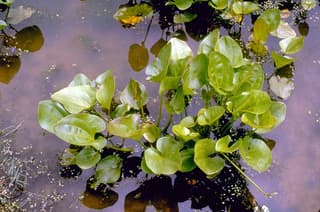
Aquarius cordifolius
Animal Feeding Damage on Radican Sword: What to Know?
Animal Feeding Damage on Radican Sword (Aquarius cordifolius) is a pest condition with moderate severity. Radican Sword has low susceptibility to this disease. Damage to plants caused by the feeding activities of animals such as insects, slugs, snails, or rodents. This weakens the plant and creates entry points for secondary diseases.
Radican Sword is a easy-care plant. Recovery from Animal Feeding Damage takes approximately 21 days with proper treatment. As an indoor plant, ensure good ventilation to aid recovery.
Unlike most plants, Radican Sword has natural resistance to Animal Feeding Damage. Best treated with preventive measures rather than reactive treatment. Unlike fungal diseases, Animal Feeding Damage on Radican Sword responds quickly to integrated pest management.
🔍 What Does Animal Feeding Damage Look Like on Radican Sword?
- • Holes in the leaves
- • Chewed leaf margins
- • Missing shoot tips
- • Slime trails on the plant
- • Bite marks on stems or fruit
❓ What Causes Animal Feeding Damage on Radican Sword?
- → Caterpillars and beetle larvae
- → Slug or snail infestation
- → Wildlife such as rabbits or deer
- → Aphids or other sap-sucking insects
🛡️ How to Prevent Animal Feeding Damage on Radican Sword?
TLDR: Prevent Animal Feeding Damage on Radican Sword with 4 essential preventive care practices.
- ✓ Use protective fencing or netting
- ✓ Encourage beneficial insects like ladybugs
- ✓ Regularly inspect the undersides of leaves
- ✓ Use strong odors like garlic as a deterrent
🌱 How to Care for Radican Sword to Prevent Animal Feeding Damage?
💧 How to Water
It is an aquatic/marsh plant: the roots and crown must always remain soaked or submerged, never dry. In an aquarium, maintain a stable water level and perform weekly partial water changes; in a paludarium or pot, keep the substrate constantly saturated or with a shallow layer of water.
☀️ Lighting
Prefers moderate to strong light, between 8 and 12 hours daily. Low light results in small leaves and slow growth; strong, constant light stimulates larger leaves and, eventually, emerged growth above the water.
🪴 Ideal Soil
Use a nutrient-rich substrate—a mix of sand, clay, and organic material (peat)—to support its heavy appetite for nutrients. Supplementing with root tabs or iron-rich liquid fertilizer promotes greener leaves and vigorous growth.