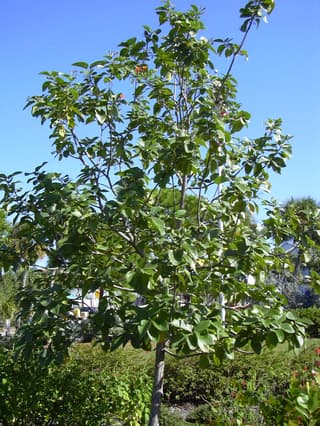
Cordia with Insect Chewing Damage: Prevention & Cure
Cordia
Insect Chewing Damage on Cordia: What to Know?
Insect Chewing Damage on Cordia (Cordia) is a pest condition with moderate severity. Cordia has moderate susceptibility to this disease. Damage caused by pests such as caterpillars, beetles, and grasshoppers that possess chewing mouthparts. They consume plant tissue, reducing the plant's photosynthetic capacity and creating wounds that...
Cordia is a medium-care plant. Recovery from Insect Chewing Damage takes approximately 15 days with proper treatment.
Unlike fungal diseases, Insect Chewing Damage on Cordia responds quickly to integrated pest management.
🔍 What Does Insect Chewing Damage Look Like on Cordia?
- • Irregular holes on the edges or center of the leaves
- • Skeletonized leaves with only the veins remaining
- • Presence of dark frass (droppings) on the leaves
- • New shoots cut or chewed
- • Visible presence of caterpillars or beetles
❓ What Causes Insect Chewing Damage on Cordia?
- → Infestation by various species of caterpillars
- → Attack by defoliating beetles
- → Presence of grasshoppers or crickets
- → Environmental imbalance that eliminates natural predators
🛡️ How to Prevent Insect Chewing Damage on Cordia?
TLDR: Prevent Insect Chewing Damage on Cordia with 4 essential preventive care practices.
- ✓ Inspect leaves weekly, including the undersides
- ✓ Keep the garden clear of crop debris
- ✓ Plant repellent herbs such as mint and rosemary nearby
- ✓ Protect young seedlings with fine mesh netting
🌱 How to Care for Cordia to Prevent Insect Chewing Damage?
💧 How to Water
Water every few days for the first months after planting, then about once a week in dry spells. Established plants handle drought well; the geiger tree drops leaves in a long drought and recovers when water returns. Avoid soggy soil.
☀️ Lighting
Plant in full sun for the most flowers; partial shade is accepted but flowering drops. Cordias take reflected heat from walls and paving well.
🪴 Ideal Soil
Any well-drained soil works: sand, loam or clay, acidic to alkaline (pH about 6 to 8.5). They do well in poor sandy and limestone coastal soils.