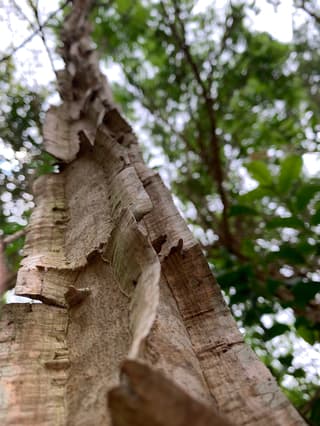
Alligator Tree with Insect herbivory: Prevention & Cure
Piptadenia gonoacantha
Insect herbivory on Alligator Tree: What to Know?
Insect herbivory on Alligator Tree (Piptadenia gonoacantha) is a pest condition with moderate severity. Alligator Tree has moderate susceptibility to this disease. Insect herbivory occurs when various pests like caterpillars, beetles, or grasshoppers feed on plant tissues. This damage reduces the plant's ability to photosynthesize and can introduce secondary inf...
Alligator Tree is a easy-care plant. Recovery from Insect herbivory takes approximately 14 days with proper treatment.
Unlike fungal diseases, Insect herbivory on Alligator Tree responds quickly to integrated pest management.
🔍 What Does Insect herbivory Look Like on Alligator Tree?
- • Irregular holes in leaves
- • Chewed leaf edges
- • Missing flower buds
- • Visible insects or larvae on stems
- • Small black or green droppings on leaves
❓ What Causes Insect herbivory on Alligator Tree?
- → Caterpillars and moth larvae
- → Beetles and weevils
- → Grasshoppers and crickets
- → Lack of natural predators in the garden
🛡️ How to Prevent Insect herbivory on Alligator Tree?
TLDR: Prevent Insect herbivory on Alligator Tree with 4 essential preventive care practices.
- ✓ Inspect plants weekly for eggs or small larvae
- ✓ Use physical barriers like row covers
- ✓ Plant companion herbs like marigolds to deter pests
- ✓ Encourage birds and ladybugs in your garden
🌱 How to Care for Alligator Tree to Prevent Insect herbivory?
💧 How to Water
Water regularly until the saplings are established; once settled, the tree tolerates dry periods well and does not require frequent irrigation. Avoid waterlogged soils, as excess water hinders root growth.
☀️ Lighting
Requires full sun—it will not thrive in the shade. Plant in an open location without shading from other trees.
🪴 Ideal Soil
Adapts to sandy, clay, or poor soils, provided they are well-drained. It tolerates a pH range from slightly acidic to alkaline.