Fabaceae
Alligator Tree: Full Sun Plant
Piptadenia gonoacantha
A hardy and easy-to-grow tree: it requires full sun and well-drained soil, though it tolerates poor, sandy, or clay soils. It is drought-resistant once established but sensitive to prolonged waterlogging. It grows rapidly, potentially exceeding 16 feet in height in just 2 years, making it ideal for large-scale landscaping, reforestation, and environmental recovery.
Every 14 days
Direct sun
0° - 38°C
50% - 85%
Categories
What is Alligator Tree?
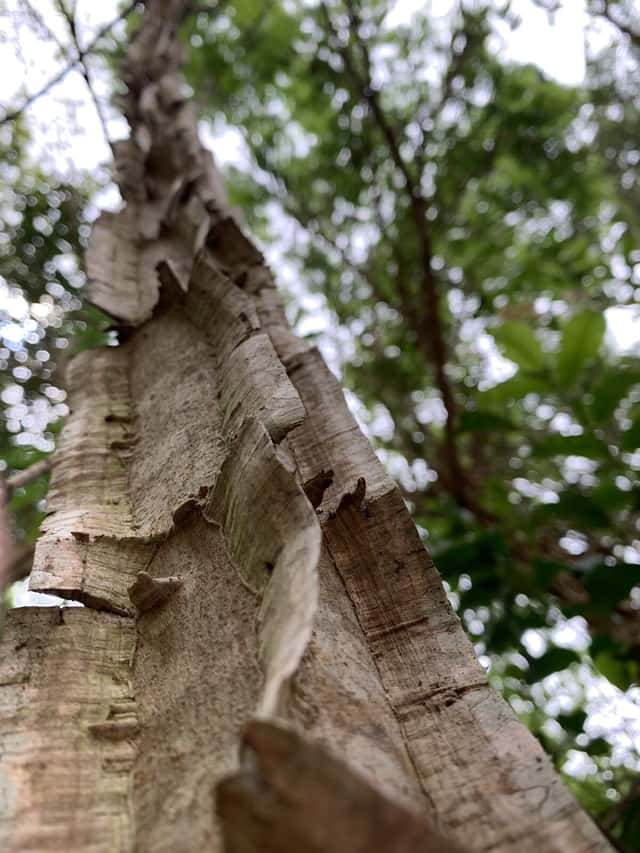
Alligator Tree (Piptadenia gonoacantha) is a easy-care plant from the Fabaceae family. The Alligator Tree is a native species of the Atlantic Forest, reaching 26 to 65 feet in height. It is easily recognized by its corky trunk featuring longitudinal and transverse ridges that resemble alligator skin—the origin of its common name. The leaves are bipinnate with dozens of pairs of leafle...
Alligator Tree grows up to 20.0m, spread of 1200cm, watering every 14 days, 0°C – 38°C, 50–85% humidity. It is not suitable for indoor environments and safe for pets.
Unlike many tropical plants, Alligator Tree tolerates watering mistakes. Best for beginners. Unlike many popular species, Alligator Tree is safe to keep around pets.
How to Care for Alligator Tree?
TLDR: Alligator Tree needs Direct sun, watering every 14 days, and temperatures between 0-38°C with 50-85% humidity.
How Often Should You Water Alligator Tree?
Water regularly until the saplings are established; once settled, the tree tolerates dry periods well and does not require frequent irrigation. Avoid waterlogged soils, as excess water hinders root growth.
How Much Light Does Alligator Tree Need?
Requires full sun—it will not thrive in the shade. Plant in an open location without shading from other trees.
What Is the Best Soil for Alligator Tree?
Adapts to sandy, clay, or poor soils, provided they are well-drained. It tolerates a pH range from slightly acidic to alkaline.
What Pot Should You Use for Alligator Tree?
It can be grown in a large, deep pot only for the first 1 to 2 years of life; as it is a large tree, it must be transplanted into the ground as soon as possible.
What Is Alligator Tree and Where Does It Come From?
The Alligator Tree is a native species of the Atlantic Forest, reaching 26 to 65 feet in height. It is easily recognized by its corky trunk featuring longitudinal and transverse ridges that resemble alligator skin—the origin of its common name. The leaves are bipinnate with dozens of pairs of leaflets, forming a wide and sparse canopy. Small white to cream-colored flowers gather in axillary spikes, attracting large numbers of bees during the flowering season. As a fast-growing pioneer species, it is essential for restoring degraded areas and reforestation due to its ability to fix nitrogen in the soil through bacteria associated with its roots.
How to Propagate Alligator Tree?
Seed
Fresh seeds have a high germination rate but lose viability quickly during storage.
- 1 Collect ripe fruits (pods) and remove the fresh seeds
- 2 Sow in a partially shaded nursery using light, well-drained substrate
- 3 Keep the substrate moist until germination occurs
Materials needed:
Cutting
This method has been studied by Embrapa as an alternative to seed propagation.
- 1 Take cuttings from semi-woody branches
- 2 Treat with rooting hormone
- 3 Plant in lightweight substrate and maintain in a humid, shaded environment
Materials needed:
How Big Does Alligator Tree Grow?
TLDR: Alligator Tree can reach up to 20.0m tall with Fast growth rate.
Max height
20.0m
Spread
12.0m
Growth rate
Fast
Foliage
Semi-evergreen
Plant Uses
Ornamental
Great for decoration
Is your plant showing symptoms?
Click on the symptom to discover possible causes:
What Diseases Commonly Affect Alligator Tree?
TLDR: Alligator Tree is susceptible to 2 known diseases. Monitor regularly for early detection.
Root Rot
Root rot is a serious fungal disease that affects the root system of plants, causing them to decay and die. It is primarily caused by overwatering, poor drainage, or soil-borne fungi such as Pythium, Phytophthora, Rhizoctonia, and Fusarium. The disease thrives in waterlogged conditions where roots are deprived of oxygen, making them susceptible to fungal infection.
Insect herbivory
Insect herbivory occurs when various pests like caterpillars, beetles, or grasshoppers feed on plant tissues. This damage reduces the plant's ability to photosynthesize and can introduce secondary infections. If left unchecked, it can lead to total defoliation and plant death.
Meaning & Symbolism
As a pioneer species of the Atlantic Forest, the Alligator Tree symbolizes resilience and regeneration: it is among the first trees to colonize degraded areas, preparing the soil for future species, while also serving as an important nectar source for bees.
Compare with similar plants
| Attribute | Difficulty | Light | Watering | Pet Safe |
|---|---|---|---|---|
| Field Maple | Easy | Bright indirect | 14d | ✓ |
| Silver Birch | Easy | Direct sun | 14d | ✓ |
| Common Blanketflower | Easy | Direct sun | 10d | ✓ |
| Cushion Bush | Easy | Direct sun | 14d | ✓ |





