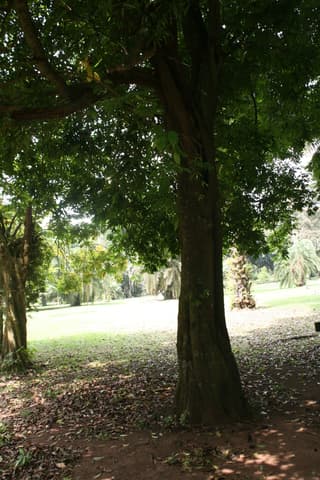
Wallaba with Insect herbivory? Rare but Treatable
Eperua falcata
Insect herbivory on Wallaba: What to Know?
Insect herbivory on Wallaba (Eperua falcata) is a pest condition with moderate severity. Wallaba has low susceptibility to this disease. Insect herbivory occurs when various pests like caterpillars, beetles, or grasshoppers feed on plant tissues. This damage reduces the plant's ability to photosynthesize and can introduce secondary inf...
Wallaba is a hard-care plant. Recovery from Insect herbivory takes approximately 14 days with proper treatment.
Unlike most plants, Wallaba has natural resistance to Insect herbivory. Best treated with preventive measures rather than reactive treatment. Unlike fungal diseases, Insect herbivory on Wallaba responds quickly to integrated pest management.
🔍 What Does Insect herbivory Look Like on Wallaba?
- • Irregular holes in leaves
- • Chewed leaf edges
- • Missing flower buds
- • Visible insects or larvae on stems
- • Small black or green droppings on leaves
❓ What Causes Insect herbivory on Wallaba?
- → Caterpillars and moth larvae
- → Beetles and weevils
- → Grasshoppers and crickets
- → Lack of natural predators in the garden
🛡️ How to Prevent Insect herbivory on Wallaba?
TLDR: Prevent Insect herbivory on Wallaba with 4 essential preventive care practices.
- ✓ Inspect plants weekly for eggs or small larvae
- ✓ Use physical barriers like row covers
- ✓ Plant companion herbs like marigolds to deter pests
- ✓ Encourage birds and ladybugs in your garden
🌱 How to Care for Wallaba to Prevent Insect herbivory?
💧 How to Water
Keep the soil evenly moist but avoid standing water: in its natural habitat, it grows in swampy forests and riverine sands, so excellent drainage is crucial for container cultivation.
☀️ Lighting
Young specimens develop well in partial shade, but full sunlight is required for abundant flowering and healthy growth—a canopy gap or a sunny outdoor location is ideal.
🪴 Ideal Soil
In nature, it thrives even on pure white quartz sand, therefore it requires loose, acidic (pH 4.5-6), excellently draining sandy soil; for container growth, mix sand into nutrient-rich potting soil.
Frequently asked questions
Can Insect herbivory kill my Wallaba?
How long does Wallaba take to recover from Insect herbivory?
Is Insect herbivory contagious to other plants near Wallaba?
Sources & References
- Eperua falcata - Wikipedia
- Eperua falcata - Useful Tropical Plants
- Chemical compounds from Eperua falcata and Eperua grandiflora heartwood and their biological activities against wood destroying fungus (Coriolus versicolor)
- Diversity and abundance of insect herbivores foraging on seedlings in a rainforest in Guyana
- Physiological epicotyl dormancy and recalcitrant storage behaviour in seeds of two tropical Fabaceae species (PMC)