Kentia Palm with Iron Deficiency? Rare but Treatable
Howea forsteriana
Iron Deficiency on Kentia Palm: What to Know?
Iron Deficiency on Kentia Palm (Howea forsteriana) is a nutrient_deficiency condition with moderate severity. Kentia Palm has low susceptibility to this disease. Iron deficiency, commonly known as iron chlorosis, is a nutrient deficiency disorder where plants cannot access sufficient iron from the soil. While iron is typically abundant in soil, various soil co...
Kentia Palm is a easy-care plant. Recovery from Iron Deficiency takes approximately 21 days with proper treatment. As an indoor plant, ensure good ventilation to aid recovery.
Unlike most plants, Kentia Palm has natural resistance to Iron Deficiency. Best treated with preventive measures rather than reactive treatment.
🔍 What Does Iron Deficiency Look Like on Kentia Palm?
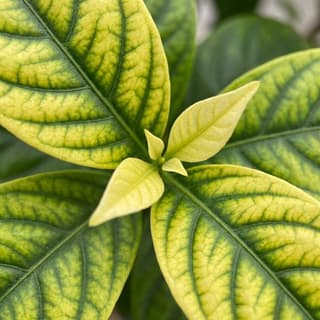
- • Yellowing of leaves (chlorosis) while veins remain green - most obvious symptom
- • Yellowing starts at the tips of new growth and progresses to older leaves
- • Severe cases show yellowing even in leaf veins
- • Leaves may turn completely white in extreme deficiency
- • Leaf edges may scorch and turn brown as cells die
- • Poor overall growth and stunted development
- • Leaf loss in advanced stages
❓ What Causes Iron Deficiency on Kentia Palm?
- → High soil pH (above 7.0) restricting iron availability
- → Compacted or waterlogged soil limiting root oxygen
- → Clay soil lacking organic matter
- → Excessive phosphorus blocking iron uptake
- → Poor drainage and saturated soil conditions
- → Cold soil temperatures reducing iron absorption
- → Alkaline soil conditions
💊 How to Treat Iron Deficiency on Kentia Palm?
TLDR: Treat Iron Deficiency on Kentia Palm with quick treatment (~11 days) or organic (~21 days). Kentia Palm has low susceptibility to this disease.
Quick Fixes
Step 1
Apply chelated iron (FeEDDHA or FeEDTA) directly to soil around root zone
Step 2
Water thoroughly after application to activate chelates
Step 3
Spray foliage with ferrous sulfate solution (1-2 tablespoons per gallon) for rapid greening
Step 4
Repeat foliar application every 7-10 days until symptoms improve
Step 5
Follow up with soil application for sustained results
Organic Treatment
Step 1
Add 2-3 inches of organic compost around the plant base
Step 2
Mix composted manure into the top 6 inches of soil
Step 3
Apply iron-rich organic amendments like blood meal or fish emulsion
Step 4
Add peat moss to acidify soil and improve iron availability
Step 5
Mulch with organic material to maintain soil moisture and acidity
🛡️ How to Prevent Iron Deficiency on Kentia Palm?
TLDR: Prevent Iron Deficiency on Kentia Palm with 8 essential preventive care practices.
- ✓ Choose appropriate soil for plant species (avoid lime soils for acid-loving plants)
- ✓ Add well-rotted manure or compost to improve soil structure
- ✓ Ensure proper drainage to prevent waterlogging
- ✓ Aerate compacted areas around plant base
- ✓ Reduce watering in poorly draining areas
- ✓ Control soil pH through amendments
- ✓ Optimize phosphorus fertilization to prevent excess
- ✓ Test soil regularly to monitor nutrient levels
🌱 How to Care for Kentia Palm to Prevent Iron Deficiency?
💧 How to Water
Water when the top inch of soil feels dry, typically once a week. Reduce watering in winter. Avoid waterlogging as this can cause root rot. The Kentia is moderately drought-tolerant once established.
☀️ Lighting
Thrives in bright, indirect light but remarkably tolerant of low-light conditions. Avoid direct sunlight which can scorch the fronds. East or west-facing windows are ideal. Can adapt to north-facing rooms.
🪴 Ideal Soil
Use a well-draining, slightly acidic to neutral potting mix (pH 6.0-7.0). A palm-specific mix or general potting soil amended with perlite or sand works well. The roots are sensitive to disturbance, so repot only when severely rootbound.