Sugar Palm with Iron Deficiency: Prevention & Cure
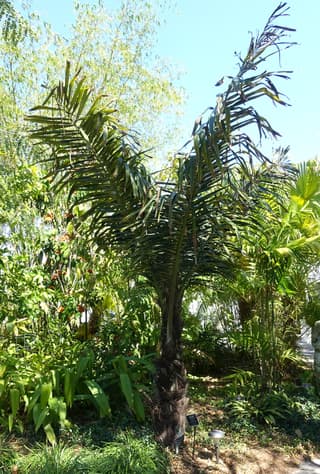
Arenga pinnata
Iron Deficiency on Sugar Palm: What to Know?
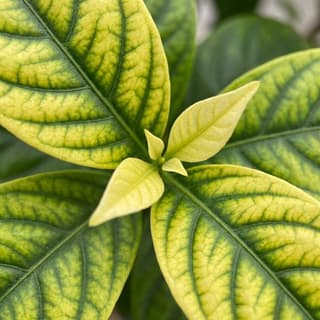
Iron Deficiency on Sugar Palm (Arenga pinnata) is a nutrient_deficiency condition with moderate severity. Sugar Palm has moderate susceptibility to this disease. Iron deficiency, commonly known as iron chlorosis, is a nutrient deficiency disorder where plants cannot access sufficient iron from the soil. While iron is typically abundant in soil, various soil co...
Sugar Palm is a hard-care plant. Recovery from Iron Deficiency takes approximately 21 days with proper treatment. As an indoor plant, ensure good ventilation to aid recovery.
🔍 What Does Iron Deficiency Look Like on Sugar Palm?
- • Yellowing of leaves (chlorosis) while veins remain green - most obvious symptom
- • Yellowing starts at the tips of new growth and progresses to older leaves
- • Severe cases show yellowing even in leaf veins
- • Leaves may turn completely white in extreme deficiency
- • Leaf edges may scorch and turn brown as cells die
- • Poor overall growth and stunted development
- • Leaf loss in advanced stages
❓ What Causes Iron Deficiency on Sugar Palm?
- → High soil pH (above 7.0) restricting iron availability
- → Compacted or waterlogged soil limiting root oxygen
- → Clay soil lacking organic matter
- → Excessive phosphorus blocking iron uptake
- → Poor drainage and saturated soil conditions
- → Cold soil temperatures reducing iron absorption
- → Alkaline soil conditions
💊 How to Treat Iron Deficiency on Sugar Palm?
TLDR: Treat Iron Deficiency on Sugar Palm with quick treatment (~11 days) or organic (~21 days). Sugar Palm has moderate susceptibility to this disease.
Quick Fixes
Step 1
Apply chelated iron (FeEDDHA or FeEDTA) directly to soil around root zone
Step 2
Water thoroughly after application to activate chelates
Step 3
Spray foliage with ferrous sulfate solution (1-2 tablespoons per gallon) for rapid greening
Step 4
Repeat foliar application every 7-10 days until symptoms improve
Step 5
Follow up with soil application for sustained results
Organic Treatment
Step 1
Add 2-3 inches of organic compost around the plant base
Step 2
Mix composted manure into the top 6 inches of soil
Step 3
Apply iron-rich organic amendments like blood meal or fish emulsion
Step 4
Add peat moss to acidify soil and improve iron availability
Step 5
Mulch with organic material to maintain soil moisture and acidity
🛡️ How to Prevent Iron Deficiency on Sugar Palm?
TLDR: Prevent Iron Deficiency on Sugar Palm with 8 essential preventive care practices.
- ✓ Choose appropriate soil for plant species (avoid lime soils for acid-loving plants)
- ✓ Add well-rotted manure or compost to improve soil structure
- ✓ Ensure proper drainage to prevent waterlogging
- ✓ Aerate compacted areas around plant base
- ✓ Reduce watering in poorly draining areas
- ✓ Control soil pH through amendments
- ✓ Optimize phosphorus fertilization to prevent excess
- ✓ Test soil regularly to monitor nutrient levels
🌱 How to Care for Sugar Palm to Prevent Iron Deficiency?
💧 How to Water
Water deeply every 7 days, soaking the entire root zone. For potted specimens, check the top 2–3 cm of soil before watering — it should be beginning to dry. Never allow water to pool at the base. Established outdoor palms are moderately drought-tolerant.
☀️ Lighting
Full sun preferred for mature plants. Juvenile specimens tolerate 30–50% shade to prevent leaf scorch. Indoors, place near the brightest south-facing window with 10–12 hours of supplemental grow light. More sun equals more vigorous growth.
🪴 Ideal Soil
Use rich, well-draining loamy soil. Ideal mix: 2 parts loam, 1 part perlite, 1 part coarse sand. Target pH 5.5–7.0. Good drainage is critical — this palm does not tolerate waterlogged roots. Mulch around the base conserves moisture and regulates temperature.