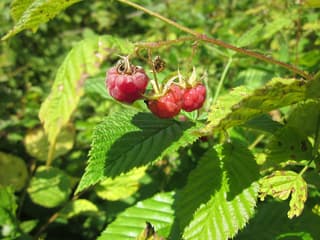
Red Raspberry with Leaf Curl Virus: Prevention & Cure
Rubus idaeus
Leaf Curl Virus on Red Raspberry: What to Know?
Leaf Curl Virus on Red Raspberry (Rubus idaeus) is a viral condition with high severity. Red Raspberry has moderate susceptibility to this disease. Leaf curl virus is a serious viral disease caused by begomoviruses, transmitted by whiteflies (Bemisia tabaci). It affects various plants including tomatoes, peppers, and ornamentals, causing signific...
Red Raspberry is a easy-care plant. Recovery from Leaf Curl Virus takes approximately 90 days with proper treatment.
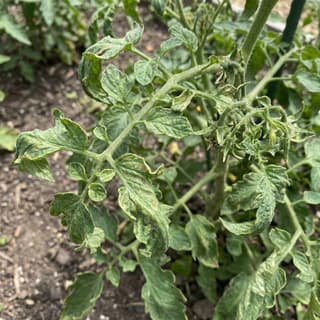
🔍 What Does Leaf Curl Virus Look Like on Red Raspberry?
- • Yellowing of young leaves
- • Severe upward and downward curling of leaves
- • Stunted plant growth and bushy appearance
- • Reduced leaf size and puckering
- • Chlorosis on leaves and flowers
- • Flower drop and reduced fruit production
- • Deformed and smaller fruits in severely affected plants
❓ What Causes Leaf Curl Virus on Red Raspberry?
- → Transmission by whiteflies (Bemisia tabaci)
- → Vector feeding on infected plants then transmitting to healthy plants
- → Warm temperatures favoring whitefly populations
- → High whitefly pressure in growing areas
- → Presence of infected plant material or weeds nearby
💊 How to Treat Leaf Curl Virus on Red Raspberry?
TLDR: Treat Leaf Curl Virus on Red Raspberry with quick treatment (~45 days) or organic (~90 days). Red Raspberry has moderate susceptibility to this disease.
Quick Fixes
Step 1
Immediately isolate and remove all symptomatic plants from the garden
Step 2
Destroy infected plants (do not compost - burn or bag for disposal)
Step 3
Spray remaining plants with insecticidal soap focusing on leaf undersides
Step 4
Install yellow sticky traps throughout the growing area
Step 5
Apply neem oil treatment to all surrounding plants as preventive measure
Step 6
Monitor daily for new symptoms and whitefly presence
Organic Treatment
Step 1
Remove and destroy all infected plants immediately to prevent virus spread
Step 2
Install yellow sticky traps to monitor and capture whitefly vectors
Step 3
Apply neem oil spray (follow product instructions) to leaf undersides weekly to control whiteflies
Step 4
Use reflective silver mulch around plants to repel whitefly vectors
Step 5
Plant barrier crops (maize, sorghum) around affected areas
Step 6
Introduce natural predators (ladybugs, lacewings, minute pirate bugs) for biological control
Step 7
Maintain optimal plant health with proper watering, nutrition, and spacing
Step 8
Remove weeds that serve as alternative hosts for virus and vectors
🛡️ How to Prevent Leaf Curl Virus on Red Raspberry?
TLDR: Prevent Leaf Curl Virus on Red Raspberry with 8 essential preventive care practices.
- ✓ Plant resistant or tolerant varieties whenever possible
- ✓ Install 6-8 yellow sticky traps per acre to monitor and control whiteflies
- ✓ Use reflective mulches to deter whitefly landing
- ✓ Establish barrier crops like maize or sorghum around fields
- ✓ Remove weeds in and around growing areas
- ✓ Inspect transplants carefully before planting
- ✓ Practice crop rotation with non-susceptible crops
- ✓ Maintain proper field sanitation
🌱 How to Care for Red Raspberry to Prevent Leaf Curl Virus?
💧 How to Water
Water deeply once a week, providing about 1–1.5 inches (2.5–4 cm) of water during active growth and fruiting. Use drip irrigation when possible to keep foliage dry and prevent fungal disease. Reduce watering in winter when the plant is dormant.
☀️ Lighting
Plant in a location that receives at least 6–8 hours of direct sunlight per day. Full sun is essential for fruit production and to minimise fungal disease risk. Light afternoon shade is acceptable in very hot climates.
🪴 Ideal Soil
Plant in fertile, well-drained soil with a pH between 5.8 and 6.8. Amend with compost before planting. Raised beds are recommended in areas with heavy or poorly drained soils. Avoid waterlogged conditions, which cause root rot.
Frequently asked questions
Can Leaf Curl Virus kill my Red Raspberry?
How long does Red Raspberry take to recover from Leaf Curl Virus?
Is Leaf Curl Virus contagious to other plants near Red Raspberry?
Sources & References
- Tomato Yellow Leaf Curl Virus | NC State Extension Publications
- Tomato Leaf Curl Virus: Top 5 Treatments For 2026
- Tackling Leaf Curl Virus: Strategies For Successful Management | BigHaat
- Tomato Yellow Leaf Curl Virus | Agrio
- Chilli Leaf Curl Virus | Pests & Diseases
- PictureThis - Red Raspberry Care
- Gardenia.net - Rubus idaeus
- NC State Extension - Rubus idaeus
- PlantVillage PSU - Raspberry Diseases