Leaf Curl Virus: Viral Disease | Identification & Management
Leaf curl virus is a serious viral disease caused by begomoviruses, transmitted by whiteflies (Bemisia tabaci). It affects various plants including tomatoes, peppers, and ornamentals, causing significant yield losses and plant decline. Once infected, plants cannot be cured and management focuses on prevention and vector control.
Fast
90 days
What is Leaf Curl Virus?
Leaf Curl Virus is a viral condition with high severity that affects plants. Leaf curl virus is a serious viral disease caused by begomoviruses, transmitted by whiteflies (Bemisia tabaci). It affects various plants including tomatoes, peppers, and ornamentals, causing significant yield losses and plant decline. Once infected, plants cannot be cured and management focuses on...
Leaf Curl Virus is a viral disease with high severity that spreads at a fast rate. Recovery typically takes approximately 90 days with proper treatment. It affects 10 plant species in our database. This condition is contagious and can spread between plants.
Not recommended to ignore early signs. Without early intervention, recovery can take twice as long. Without isolation, nearby plants can become infected within days.
🔍 What Are the Symptoms of Leaf Curl Virus?
TLDR: Leaf Curl Virus presents 7 main symptoms. Early identification is crucial for effective treatment.
Main Symptoms
- ! Yellowing of young leaves
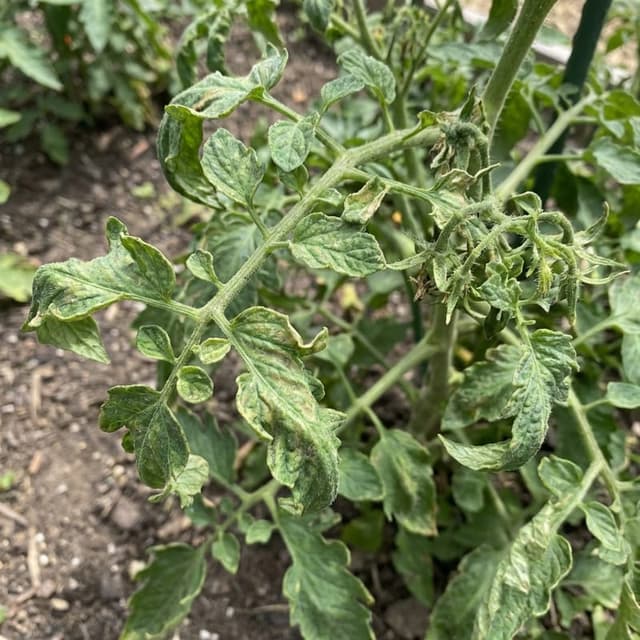
- ! Severe upward and downward curling of leaves
- ! Stunted plant growth and bushy appearance
- ! Reduced leaf size and puckering
- ! Chlorosis on leaves and flowers
- ! Flower drop and reduced fruit production
- ! Deformed and smaller fruits in severely affected plants
Visual Signs
❓ What Causes Leaf Curl Virus in Plants?
- → Transmission by whiteflies (Bemisia tabaci)
- → Vector feeding on infected plants then transmitting to healthy plants
- → Warm temperatures favoring whitefly populations
- → High whitefly pressure in growing areas
- → Presence of infected plant material or weeds nearby
💊 How to Treat Leaf Curl Virus?
TLDR: Treat Leaf Curl Virus with 45 days of quick treatment or 90 days of organic treatment. Full recovery takes approximately 90 days.
Quick Fixes
~45 days
Step 1
Immediately isolate and remove all symptomatic plants from the garden
Step 2
Destroy infected plants (do not compost - burn or bag for disposal)
Step 3
Spray remaining plants with insecticidal soap focusing on leaf undersides
Step 4
Install yellow sticky traps throughout the growing area
Step 5
Apply neem oil treatment to all surrounding plants as preventive measure
Step 6
Monitor daily for new symptoms and whitefly presence
Materials needed:
Organic Treatment
~90 days
Step 1
Remove and destroy all infected plants immediately to prevent virus spread
Step 2
Install yellow sticky traps to monitor and capture whitefly vectors
Step 3
Apply neem oil spray (follow product instructions) to leaf undersides weekly to control whiteflies
Step 4
Use reflective silver mulch around plants to repel whitefly vectors
Step 5
Plant barrier crops (maize, sorghum) around affected areas
Step 6
Introduce natural predators (ladybugs, lacewings, minute pirate bugs) for biological control
Step 7
Maintain optimal plant health with proper watering, nutrition, and spacing
Step 8
Remove weeds that serve as alternative hosts for virus and vectors
Materials needed:
Expert Treatment
~135 days
Step 1
Implement strict field sanitation: remove all infected plants and alternative weed hosts within 50m radius
Step 2
Deploy integrated vector management: combine reflective mulches, UV-absorbing plastics, and pyrethroid-treated nets in protected cultivation
Step 3
Apply systemic insecticides (imidacloprid or dinotefuran) as soil drench to seedlings pre-transplant
Step 4
Rotate insecticide classes (neonicotinoids, pyrethroids, insect growth regulators) to prevent whitefly resistance
Step 5
Install real-time whitefly monitoring systems with sticky traps at 1 per 100m²
Step 6
Use LAMP (loop-mediated isothermal amplification) diagnostics for rapid virus strain identification
Step 7
Implement barrier cropping with 2+ rows of non-host plants (maize, pearl millet) around perimeter
Step 8
Adjust planting schedules to avoid peak whitefly populations based on local monitoring data
Step 9
Apply mineral oils or viral protein inhibitors to interfere with virus transmission
Step 10
Source and plant virus-resistant or gene-edited varieties when available
Step 11
Establish roguing protocols: weekly inspections and immediate removal of symptomatic plants
Step 12
Disinfect all tools with 1:4 bleach solution between plant sets
Step by Step
- 1
Remove and destroy all infected plants immediately
- 2
Apply whitefly control measures (organic or chemical)
- 3
Monitor whitefly populations with yellow sticky traps
- 4
Rogue out new infections promptly
- 5
Focus on preventing spread to healthy plants
🧪 Natural vs Chemical: Which Treatment Works for Leaf Curl Virus?
🌱 Natural Solutions
- ✓ Apply neem oil spray to reduce whitefly populations
- ✓ Use insecticidal soap for organic whitefly control
- ✓ Introduce natural predators like ladybugs and lacewings
- ✓ Remove and destroy infected plants immediately to prevent spread
- ✓ Apply horticultural oils to disrupt whitefly feeding
💉 Chemical Solutions
- ✓ Apply systemic insecticides 4-5 weeks after transplanting
- ✓ Use imidacloprid or thiamethoxam for whitefly control
- ✓ Apply foliar insecticides when whitefly populations are detected
- ✓ Rotate insecticide classes to prevent resistance
- ✓ Continue applications as fruit ripens if pressure remains high
Treatment Comparison
| Type | Estimated time | Steps | Difficulty | Best For |
|---|---|---|---|---|
| ⚡Quick | ~45 days | 6 | Advanced | Urgent cases |
| 🌿Organic | ~90 days | 8 | Advanced | Indoor plants |
| 🔬Expert | ~135 days | 12 | Advanced | Severe infections |
🛡️ How to Prevent Leaf Curl Virus?
TLDR: Prevent Leaf Curl Virus with 8 essential care practices. Regular monitoring is key for early detection.
- ✓ Plant resistant or tolerant varieties whenever possible
- ✓ Install 6-8 yellow sticky traps per acre to monitor and control whiteflies
- ✓ Use reflective mulches to deter whitefly landing
- ✓ Establish barrier crops like maize or sorghum around fields
- ✓ Remove weeds in and around growing areas
- ✓ Inspect transplants carefully before planting
- ✓ Practice crop rotation with non-susceptible crops
- ✓ Maintain proper field sanitation
🔗Related Diseases
Mosaic Virus
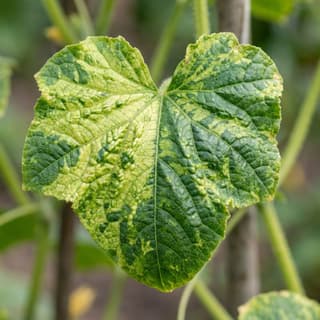
HighMosaic virus is a group of plant viruses that cause mottled, patchy patterns on leaves and can affect a wide variety of plants. The virus creates characteristic yellow, white, and green mosaic patterns, often accompanied by stunted growth and deformed plant parts. This highly contagious disease spreads rapidly through insect vectors and contaminated tools.
Amaranth Mosaic Virus
MediumThis is a viral disease typically spread by aphids or contaminated tools. It causes yellow and green mottling on leaves, deformities, and stunted plant growth. There is no direct chemical treatment for the virus, making prevention and insect control essential.
Ringspot Virus
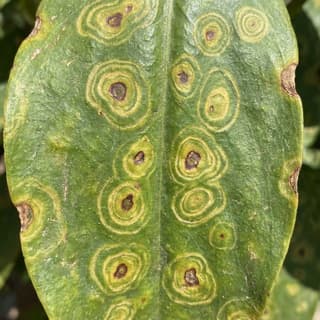
HighRingspot virus is a viral disease affecting various plant species, causing distinctive circular or ring-shaped chlorotic patterns on leaves and fruits. Transmitted primarily by aphids, nematodes, or through contaminated tools, this virus cannot be cured and infected plants must be managed carefully to prevent spread. The virus weakens plants, reduces yield, and can spread rapidly in gardens if not properly contained.
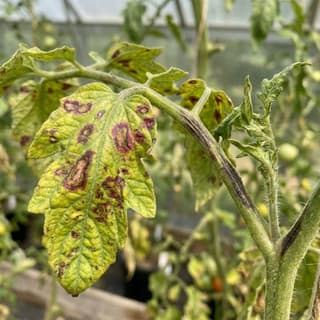
Tomato Spotted Wilt Virus (TSWV)
CRITICALTomato Spotted Wilt Virus (TSWV) is one of the most devastating viral diseases affecting over 1,000 plant species across 85 families. It is transmitted by thrips and cannot be cured once a plant is infected. The virus causes severe stunting, bronzing of leaves, necrotic spots, and significant yield losses. Early detection and removal of infected plants is critical to prevent spread.