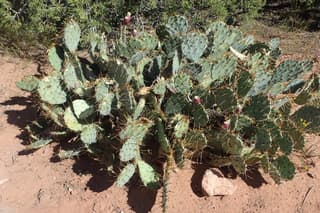
Plains pricklypear with Caterpillars: Prevention & Cure
Opuntia polyacantha
Caterpillars on Plains pricklypear: What to Know?
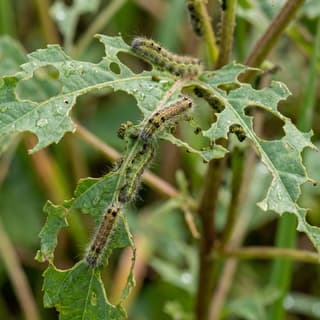
Caterpillars on Plains pricklypear (Opuntia polyacantha) is a pest condition with moderate severity. Plains pricklypear has moderate susceptibility to this disease. Caterpillars are the larval stage of moths and butterflies that feed voraciously on plant foliage, stems, flowers, and fruits. Common species include cabbage loopers, tomato hornworms, armyworms, and...
Plains pricklypear is a easy-care plant. Recovery from Caterpillars takes approximately 21 days with proper treatment.
Unlike fungal diseases, Caterpillars on Plains pricklypear responds quickly to integrated pest management.
🔍 What Does Caterpillars Look Like on Plains pricklypear?
- • Irregular holes and ragged edges on leaves
- • Large portions of foliage completely consumed
- • Dark cylindrical droppings (frass) on leaves and soil
- • Visible caterpillars of various sizes on plant surfaces
- • Skeletonized leaves with only veins remaining
- • Bore holes in fruits, vegetables, and flowers
- • Defoliation starting from leaf edges
- • Stunted plant growth from severe feeding damage
- • Presence of white cocoons or pupae on plants
❓ What Causes Caterpillars on Plains pricklypear?
- → Adult moths and butterflies laying eggs on host plants
- → Eggs hatching into hungry larvae seeking food
- → Warm weather accelerating reproduction cycles
- → Poor garden sanitation harboring overwintering pupae
- → Lack of natural predators in garden ecosystem
- → Dense plantings making detection difficult
- → Introduction from infected transplants
- → Nearby weeds serving as alternative host plants
🛡️ How to Prevent Caterpillars on Plains pricklypear?
TLDR: Prevent Caterpillars on Plains pricklypear with 9 essential preventive care practices.
- ✓ Inspect plants regularly, especially leaf undersides, for eggs and young larvae
- ✓ Remove eggs and small caterpillars by hand before populations explode
- ✓ Use floating row covers to exclude adult moths from laying eggs
- ✓ Maintain diverse plantings to attract beneficial predators
- ✓ Plant aromatic herbs (rosemary, sage, thyme) as companion plants to repel moths
- ✓ Keep garden free of plant debris and weeds that harbor pupae
- ✓ Rotate crop locations annually to break pest cycles
- ✓ Encourage birds by providing water sources and nesting sites
- ✓ Till soil in fall to expose overwintering pupae to predators and cold
🌱 How to Care for Plains pricklypear to Prevent Caterpillars?
💧 How to Water
Water every 3 weeks or less during the growing season, and only when the soil is completely dry. Do not water in winter: cold combined with wet soil rots the pads.
☀️ Lighting
Full sun all day. In shade it stretches and flowers poorly.
🪴 Ideal Soil
Poor, sharply drained soil: sandy, rocky or gravelly clay loam. Avoid soils that hold water.