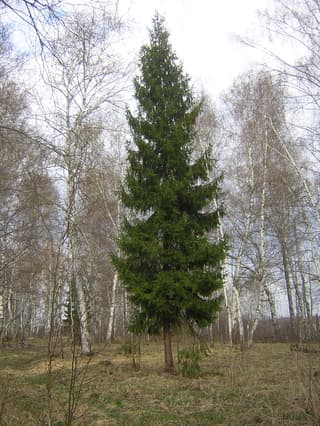
Spruce with Senescence of Lower Branches: Prevention & Cure
Picea
Senescence of Lower Branches on Spruce: What to Know?
Senescence of Lower Branches on Spruce (Picea) is a environmental condition with low severity. Spruce has moderate susceptibility to this disease. This is a natural process or a result of environmental stress where the plant sacrifices its lower, older leaves and branches. It is often caused by insufficient light, low humidity, or natural aging....
Spruce is a easy-care plant. Recovery from Senescence of Lower Branches takes approximately 21 days with proper treatment.
🔍 What Does Senescence of Lower Branches Look Like on Spruce?
- • Yellowing of the lower leaves
- • Dry, brown leaves at the base of the plant
- • Leaf drop on the lower levels
- • Legginess or loss of foliage on lower branches
❓ What Causes Senescence of Lower Branches on Spruce?
- → Insufficient light reaching the lower sections
- → Natural aging process
- → Low humidity
- → Irregular watering
🛡️ How to Prevent Senescence of Lower Branches on Spruce?
TLDR: Prevent Senescence of Lower Branches on Spruce with 4 essential preventive care practices.
- ✓ Ensure even lighting
- ✓ Rotate the plant regularly
- ✓ Maintain a consistent watering schedule
- ✓ Increase humidity in dry air conditions
🌱 How to Care for Spruce to Prevent Senescence of Lower Branches?
💧 How to Water
Water well after planting and watch it for a week. In summer, give a deep soak once a week if less than 25 mm (1 in) of rain falls. Established trees need less, but the soil should stay evenly moist: shallow roots feel drought.
☀️ Lighting
Full sun, 6 or more hours a day. In shade it grows sparse and drops its lower branches.
🪴 Ideal Soil
Moist, well-drained, acidic to neutral soil with organic matter. Avoid compacted soil and ground that waterlogs.