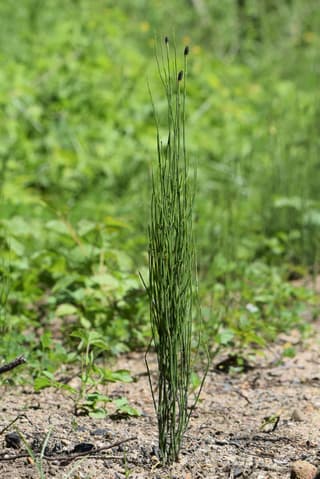
Marsh Horsetail with Mollusca: Prevention & Cure
Equisetum palustre
Mollusca on Marsh Horsetail: What to Know?
Mollusca on Marsh Horsetail (Equisetum palustre) is a other condition with moderate severity. Marsh Horsetail has moderate susceptibility to this disease. Mollusca (snails and slugs) are soft-bodied pests that feed mostly at night and in damp weather. They chew irregular holes in leaves, flowers, and fruit and often leave shiny slime trails. Seedlings,...
Marsh Horsetail is a medium-care plant.
🛡️ How to Prevent Mollusca on Marsh Horsetail?
TLDR: Prevent Mollusca on Marsh Horsetail with 7 essential preventive care practices.
- ✓ Improve drainage and avoid overwatering.
- ✓ Space plants for airflow and prune dense, ground-touching leaves.
- ✓ Raise vulnerable seedlings in trays until sturdy, then transplant with collars or barriers in place.
- ✓ Store boards, pots, and bags off the ground to reduce shelters.
- ✓ Keep paths and bed edges tidy.
- ✓ Inspect new plants and pots before bringing them home or moving them indoors.
- ✓ Refresh traps and barriers during wet spells.
🌱 How to Care for Marsh Horsetail to Prevent Mollusca?
💧 How to Water
Water frequently — every 2–4 days or keep submerged in shallow water. This is a true wetland plant that thrives with roots permanently in water.
☀️ Lighting
Tolerates full sun to partial shade. Outdoors in a bright spot or dappled shade is ideal. Avoid deep shade which stunts growth.
🪴 Ideal Soil
Use peaty, moisture-retentive soil or submerge in shallow water. Tolerates clay, loam, and sandy soils. No need for well-draining mixes.