Baby Rubber Plant with Mosaic Virus? Rare but Treatable
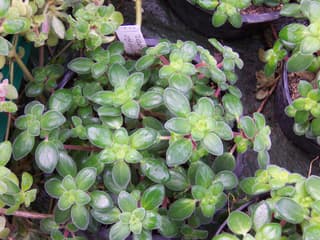
Peperomia obtusifolia
Mosaic Virus on Baby Rubber Plant: What to Know?
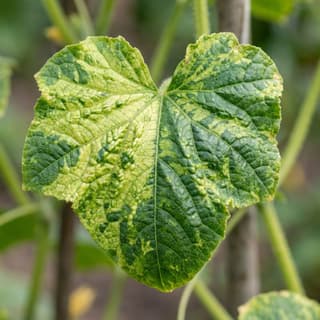
Mosaic Virus on Baby Rubber Plant (Peperomia obtusifolia) is a viral condition with high severity. Baby Rubber Plant has low susceptibility to this disease. Mosaic virus is a group of plant viruses that cause mottled, patchy patterns on leaves and can affect a wide variety of plants. The virus creates characteristic yellow, white, and green mosaic pattern...
Baby Rubber Plant is a easy-care plant. Recovery from Mosaic Virus takes approximately 90 days with proper treatment. As an indoor plant, ensure good ventilation to aid recovery.
Unlike most plants, Baby Rubber Plant has natural resistance to Mosaic Virus. Best treated with preventive measures rather than reactive treatment.
🔍 What Does Mosaic Virus Look Like on Baby Rubber Plant?
- • Mottled or mosaic pattern of yellow, white, and green on leaves
- • Blistered, puckered, or distorted leaf surfaces
- • Crinkled, wavy, or twisted leaves
- • Stunted growth and reduced plant size
- • Yellowing between leaf veins
- • Deformed or discolored flowers
- • Small, misshapen, bumpy fruit with uneven ripening
- • Ringspots or mottled coloration on fruit
- • Overall plant weakness and decline
❓ What Causes Mosaic Virus on Baby Rubber Plant?
- → Viral infection transmitted by sap-sucking insects (aphids, leafhoppers, whiteflies, cucumber beetles)
- → Mechanical transmission through contaminated tools, hands, or equipment
- → Infected seeds or plant material
- → Weeds that serve as virus reservoirs and host insect vectors
- → Close contact between infected and healthy plants
- → Virus can survive in infected plant debris and perennial weeds
💊 How to Treat Mosaic Virus on Baby Rubber Plant?
TLDR: Treat Mosaic Virus on Baby Rubber Plant with quick treatment (~45 days) or organic (~90 days). Baby Rubber Plant has low susceptibility to this disease.
Quick Fixes
Step 1
Isolate affected plants immediately to prevent spread
Step 2
Remove and destroy all infected plant material within 24 hours
Step 3
Disinfect all tools with 10% bleach solution after contact
Step 4
Wash hands thoroughly with soap before touching other plants
Step 5
Install physical barriers (row covers) on nearby healthy plants
Organic Treatment
Step 1
Immediately remove and destroy infected plants (burn or discard in garbage, NOT compost)
Step 2
Control aphids and other insect vectors using neem oil spray or insecticidal soap
Step 3
Apply reflective mulch around plants to repel aphids
Step 4
Remove all weeds within 10 meters of garden that can harbor the virus
Step 5
Monitor neighboring plants daily for early symptoms
🛡️ How to Prevent Mosaic Virus on Baby Rubber Plant?
TLDR: Prevent Mosaic Virus on Baby Rubber Plant with 11 essential preventive care practices.
- ✓ Inspect new plants carefully before bringing them into your garden
- ✓ Purchase seeds and transplants only from reputable sources
- ✓ Control aphids, leafhoppers, whiteflies, and other insect vectors immediately
- ✓ Remove and destroy weeds regularly, especially near susceptible plants
- ✓ Disinfect pruning tools with 10% bleach solution or 70% alcohol between plants
- ✓ Wash hands thoroughly after handling plants
- ✓ Plant virus-resistant varieties when available
- ✓ Practice crop rotation in vegetable gardens
- ✓ Install physical barriers like row covers to exclude insects
- ✓ Avoid working with plants when foliage is wet
- ✓ Maintain plant health through proper watering and fertilization
🌱 How to Care for Baby Rubber Plant to Prevent Mosaic Virus?
💧 How to Water
Water when the top layer of soil is dry. In summer every 5-7 days, in winter every 10-14 days. Avoid waterlogging which causes root rot. Use settled or rainwater.
☀️ Lighting
Place in a bright location with bright indirect light. Avoid direct sun which burns the leaves. Ideal near east or west-facing windows. Tolerates partial shade but may become leggy.
🪴 Ideal Soil
Well-draining and aerated substrate. Mix universal potting soil with perlite and coconut coir. pH between 6.0-7.0. Avoid compact substrates that retain excess moisture.
Frequently asked questions
Can Mosaic Virus kill my Baby Rubber Plant?
How long does Baby Rubber Plant take to recover from Mosaic Virus?
Is Mosaic Virus contagious to other plants near Baby Rubber Plant?
Sources & References
- Mosaic Virus in Garden Plants: Types, Symptoms & Prevention | The Old Farmer's Almanac
- Mosaic Virus: Symptoms, Treatment and Control | Planet Natural
- Mosaic | Description, Symptoms, & Control | Britannica
- Mosaic Virus Symptoms and Treatment
- Mosaic Virus - Is My Plant Infected and How Do I Treat It?
- Peperomia obtusifolia: cuidados - Guía completa
- Cómo cultivar y cuidar una Peperomia
- Peperomia Obtusifolia: Cuidados y Reproducción