Mosaic Virus: Viral Disease | Identification & Management
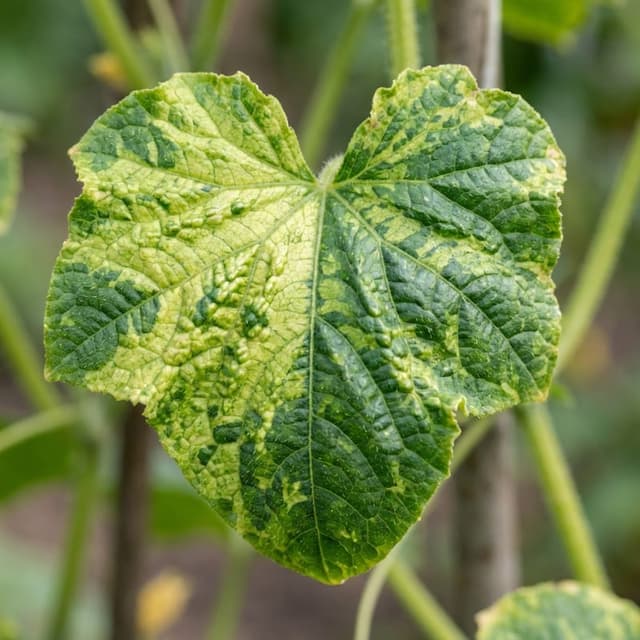
Mosaic virus is a group of plant viruses that cause mottled, patchy patterns on leaves and can affect a wide variety of plants. The virus creates characteristic yellow, white, and green mosaic patterns, often accompanied by stunted growth and deformed plant parts. This highly contagious disease spreads rapidly through insect vectors and contaminated tools.
Fast
90 days
What is Mosaic Virus?
Mosaic Virus is a viral condition with high severity that affects plants. Mosaic virus is a group of plant viruses that cause mottled, patchy patterns on leaves and can affect a wide variety of plants. The virus creates characteristic yellow, white, and green mosaic patterns, often accompanied by stunted growth and deformed plant parts. This highly contagious disease spre...
Mosaic Virus is a viral disease with high severity that spreads at a fast rate. Recovery typically takes approximately 90 days with proper treatment. It affects 10 plant species in our database. This condition is contagious and can spread between plants.
Not recommended to ignore early signs. Without early intervention, recovery can take twice as long. Without isolation, nearby plants can become infected within days.
🔍 What Are the Symptoms of Mosaic Virus?
TLDR: Mosaic Virus presents 9 main symptoms. Early identification is crucial for effective treatment.
Main Symptoms
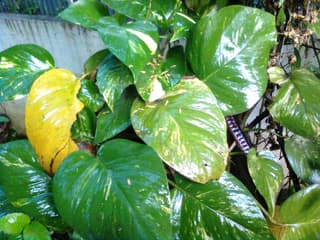
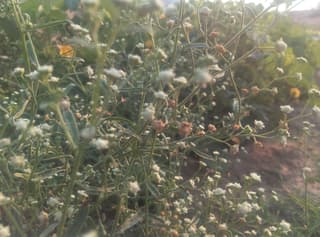
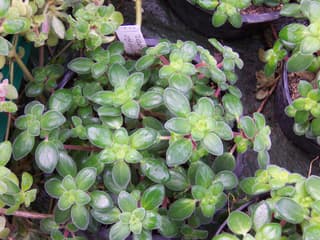
- ! Mottled or mosaic pattern of yellow, white, and green on leaves
- ! Blistered, puckered, or distorted leaf surfaces
- ! Crinkled, wavy, or twisted leaves
- ! Stunted growth and reduced plant size
- ! Yellowing between leaf veins
- ! Deformed or discolored flowers
- ! Small, misshapen, bumpy fruit with uneven ripening
- ! Ringspots or mottled coloration on fruit
- ! Overall plant weakness and decline
Visual Signs
❓ What Causes Mosaic Virus in Plants?
- → Viral infection transmitted by sap-sucking insects (aphids, leafhoppers, whiteflies, cucumber beetles)
- → Mechanical transmission through contaminated tools, hands, or equipment
- → Infected seeds or plant material
- → Weeds that serve as virus reservoirs and host insect vectors
- → Close contact between infected and healthy plants
- → Virus can survive in infected plant debris and perennial weeds
💊 How to Treat Mosaic Virus?
TLDR: Treat Mosaic Virus with 45 days of quick treatment or 90 days of organic treatment. Full recovery takes approximately 90 days.
Quick Fixes
~45 days
Step 1
Isolate affected plants immediately to prevent spread
Step 2
Remove and destroy all infected plant material within 24 hours
Step 3
Disinfect all tools with 10% bleach solution after contact
Step 4
Wash hands thoroughly with soap before touching other plants
Step 5
Install physical barriers (row covers) on nearby healthy plants
Materials needed:
Organic Treatment
~90 days
Step 1
Immediately remove and destroy infected plants (burn or discard in garbage, NOT compost)
Step 2
Control aphids and other insect vectors using neem oil spray or insecticidal soap
Step 3
Apply reflective mulch around plants to repel aphids
Step 4
Remove all weeds within 10 meters of garden that can harbor the virus
Step 5
Monitor neighboring plants daily for early symptoms
Materials needed:
Expert Treatment
~135 days
Step 1
Conduct immediate field survey to identify all infected plants and mark for removal
Step 2
Implement comprehensive vector management: apply systemic insecticides for aphid control and install reflective mulch barriers
Step 3
Execute sanitation protocol: remove infected plants, disinfect all equipment with quaternary ammonium or bleach solution
Step 4
Establish monitoring zones: inspect all plants within 5-meter radius twice weekly for 4 weeks
Step 5
Implement preventive crop rotation and only plant virus-resistant varieties in affected areas
Step 6
Control perennial weeds that serve as viral reservoirs throughout season
Step 7
Source certified virus-free seeds or transplants for future plantings
Step by Step
- 1
Immediately isolate or remove infected plants to prevent spread
- 2
Destroy infected plant material by burning or sealing in plastic bags for disposal
- 3
Clean all tools, pots, and equipment with 10% bleach solution
- 4
Apply insecticide or natural pest control to eliminate vector insects
- 5
Monitor surrounding plants daily for 2-3 weeks for new symptoms
- 6
Remove any newly infected plants immediately
- 7
Continue insect vector control for remainder of growing season
🧪 Natural vs Chemical: Which Treatment Works for Mosaic Virus?
🌱 Natural Solutions
- ✓ Remove and destroy infected plants immediately - do NOT compost
- ✓ Apply neem oil or insecticidal soap to control insect vectors
- ✓ Release beneficial insects like ladybugs to control aphids naturally
- ✓ Use reflective mulches (aluminum foil) to repel aphids
- ✓ Spray plants with garlic or chili pepper spray to deter insects
- ✓ Apply diatomaceous earth around plant base to control crawling insects
💉 Chemical Solutions
- ✓ Systemic insecticides (imidacloprid, acetamiprid) to control insect vectors
- ✓ Contact insecticides (pyrethrin, malathion) for rapid knockdown of aphids and whiteflies
- ✓ NOTE: No chemical treatment cures the virus itself - only prevents spread by controlling vectors
Treatment Comparison
| Type | Estimated time | Steps | Difficulty | Best For |
|---|---|---|---|---|
| ⚡Quick | ~45 days | 5 | Advanced | Urgent cases |
| 🌿Organic | ~90 days | 5 | Advanced | Indoor plants |
| 🔬Expert | ~135 days | 7 | Advanced | Severe infections |
🛡️ How to Prevent Mosaic Virus?
TLDR: Prevent Mosaic Virus with 11 essential care practices. Regular monitoring is key for early detection.
- ✓ Inspect new plants carefully before bringing them into your garden
- ✓ Purchase seeds and transplants only from reputable sources
- ✓ Control aphids, leafhoppers, whiteflies, and other insect vectors immediately
- ✓ Remove and destroy weeds regularly, especially near susceptible plants
- ✓ Disinfect pruning tools with 10% bleach solution or 70% alcohol between plants
- ✓ Wash hands thoroughly after handling plants
- ✓ Plant virus-resistant varieties when available
- ✓ Practice crop rotation in vegetable gardens
- ✓ Install physical barriers like row covers to exclude insects
- ✓ Avoid working with plants when foliage is wet
- ✓ Maintain plant health through proper watering and fertilization
🔗Related Diseases
Leaf Curl Virus
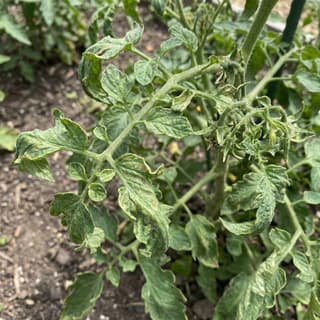
HighLeaf curl virus is a serious viral disease caused by begomoviruses, transmitted by whiteflies (Bemisia tabaci). It affects various plants including tomatoes, peppers, and ornamentals, causing significant yield losses and plant decline. Once infected, plants cannot be cured and management focuses on prevention and vector control.
Amaranth Mosaic Virus
MediumThis is a viral disease typically spread by aphids or contaminated tools. It causes yellow and green mottling on leaves, deformities, and stunted plant growth. There is no direct chemical treatment for the virus, making prevention and insect control essential.
Ringspot Virus
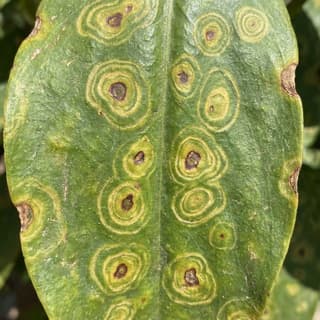
HighRingspot virus is a viral disease affecting various plant species, causing distinctive circular or ring-shaped chlorotic patterns on leaves and fruits. Transmitted primarily by aphids, nematodes, or through contaminated tools, this virus cannot be cured and infected plants must be managed carefully to prevent spread. The virus weakens plants, reduces yield, and can spread rapidly in gardens if not properly contained.
Tomato Spotted Wilt Virus (TSWV)
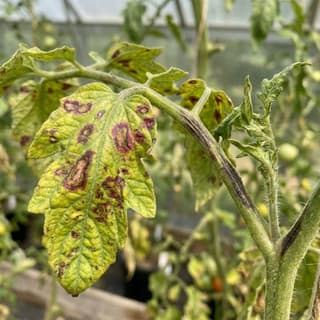
CRITICALTomato Spotted Wilt Virus (TSWV) is one of the most devastating viral diseases affecting over 1,000 plant species across 85 families. It is transmitted by thrips and cannot be cured once a plant is infected. The virus causes severe stunting, bronzing of leaves, necrotic spots, and significant yield losses. Early detection and removal of infected plants is critical to prevent spread.