Root-Knot Nematodes: Pest Control | Identify & Treat
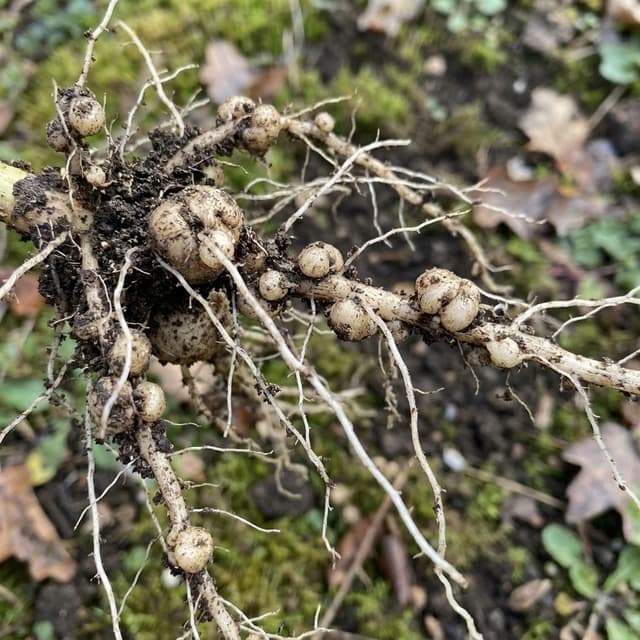
Root-knot nematodes (Meloidogyne species) are microscopic roundworms that parasitize plant roots, causing characteristic galls or knots. These soil-borne pests are among the most economically damaging plant pathogens worldwide, affecting a wide range of ornamental and edible plants. The nematodes inject enzymes into root cells, causing abnormal swelling and disrupting water and nutrient uptake.
90 days
What is Root-Knot Nematodes?
Root-Knot Nematodes is a pest condition with moderate severity that affects plants. Root-knot nematodes (Meloidogyne species) are microscopic roundworms that parasitize plant roots, causing characteristic galls or knots. These soil-borne pests are among the most economically damaging plant pathogens worldwide, affecting a wide range of ornamental and edible plants. The nematodes in...
Root-Knot Nematodes is a pest disease with moderate severity. Recovery typically takes approximately 90 days with proper treatment. It affects 10 plant species in our database.
Unlike fungal diseases, Root-Knot Nematodes can be controlled quickly with integrated management. Without immediate action, the infestation spreads to nearby plants. Unlike many common diseases, Root-Knot Nematodes is not contagious between plants.
🔍 What Are the Symptoms of Root-Knot Nematodes?
TLDR: Root-Knot Nematodes presents 8 main symptoms. Early identification is crucial for effective treatment.
Main Symptoms
- ! Characteristic galls or knots on roots (1-10mm in diameter)
- ! Root swelling, distortion, and excessive branching
- ! Yellowing of leaves (chlorosis), especially lower leaves
- ! Wilting during hot periods despite adequate soil moisture
- ! Stunted growth and reduced vigor
- ! Reduced flowering and fruit production
- ! Plant death in severe infestations
- ! Discolored or necrotic root tips
❓ What Causes Root-Knot Nematodes in Plants?
- → Infection by microscopic roundworms (Meloidogyne incognita, M. javanica, M. arenaria)
- → Nematode larvae penetrate roots and establish feeding sites
- → Enzymes injected by nematodes cause cell enlargement (galls)
- → Contaminated soil, water, or infected plant material
- → Warm soil temperatures (70-80°F/21-27°C) favor reproduction
- → Sandy, well-drained soils are most susceptible
- → Can survive in soil for years without host plants
🧪 Natural vs Chemical: Which Treatment Works for Root-Knot Nematodes?
🌱 Natural Solutions
- ✓ Apply beneficial nematodes (Steinernema, Heterorhabditis species) to soil
- ✓ Incorporate organic compost to boost beneficial fungi and bacteria
- ✓ Use mycorrhizal fungi inoculants to strengthen plant resistance
- ✓ Apply neem cake or neem oil to soil
- ✓ Plant French marigolds (Tagetes patula) - release alpha-terthienyl, toxic to nematodes
- ✓ Add crab meal or chitin-based amendments to stimulate beneficial microbes
- ✓ Use Paecilomyces lilacinus (fungal biocontrol agent)
- ✓ Apply mustard seed meal or other biofumigants
- ✓ Implement crop rotation with resistant varieties
💉 Chemical Solutions
- ✓ Fenamiphos-based nematicides (restricted use)
- ✓ Oxamyl (systemic nematicide, professional use)
- ✓ Fosthiazate granules applied at planting
- ✓ Note: Chemical nematicides are highly restricted and should be used only as a last resort by licensed professionals
🛡️ How to Prevent Root-Knot Nematodes?
TLDR: Prevent Root-Knot Nematodes with 8 essential care practices. Regular monitoring is key for early detection.
- ✓ Plant resistant or tolerant varieties when available
- ✓ Rotate crops with non-susceptible plants (grasses, crucifers)
- ✓ Solarize soil before planting using clear plastic tarps (3-5 days in mid-summer)
- ✓ Use certified disease-free planting material
- ✓ Practice good sanitation: clean tools, remove infected roots immediately
- ✓ Improve soil health with organic matter to encourage beneficial microorganisms
- ✓ Avoid moving soil from infested to clean areas
- ✓ Plant French marigolds (Tagetes patula) as trap crops or cover crops
🔗Related Diseases
Whitefly
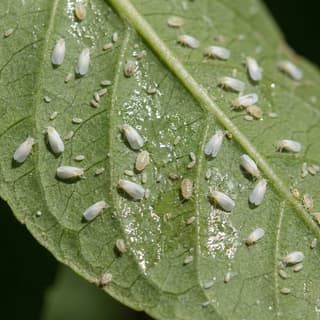
Whiteflies (family Aleyrodidae) are tiny, sap-sucking insects that thrive in warm, still air. They are common on houseplants, greenhouse crops, and garden plants such as tomatoes, peppers, cucumbers, fuchsias, hibiscus, poinsettias, citrus, and many herbs. You’ll often see small white adults flutter up when you touch the plant, sticky honeydew on leaves or nearby surfaces, black sooty mould growing on that honeydew, and leaves that yellow, curl, or drop. Check the undersides of leaves for pale, scale-like nymphs and tiny eggs laid in small arcs. Heavy infestations weaken plants and slow growth.
Woolly Beech Aphid
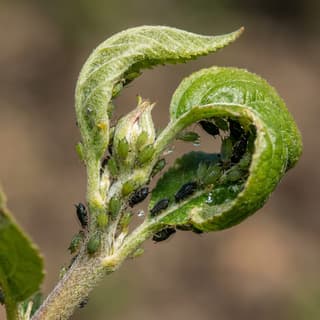
Phyllaphis is a genus of woolly aphids that primarily attack beech (Fagus), typically common beech and copper beech in hedges and as trees. They suck plant sap from young shoots and the undersides of leaves in spring and early summer. Signs of infestation include curled or rolled leaves, sticky honeydew, black sooty mold, and a white, cottony coating around the colonies. The plants usually survive, but heavy infestations can weaken new growth and make the hedge sticky and unsightly. The aphids often overwinter as eggs on thin twigs near buds.
Flea beetle damage
MediumFlea beetles are small, jumping insects that feed on the leaves of many vegetable crops. They chew numerous small, circular holes, creating a characteristic 'shothole' appearance. While established plants can often tolerate the damage, young seedlings are highly susceptible and can be stunted or killed if the infestation is severe.
Woolly Aphid
Prociphilus is a genus of woolly aphids that feed by sucking sap from plants. They produce a fluffy, white, cotton-like coating on leaves, shoots, or sometimes roots. Signs include sticky honeydew, black sooty mold growing on the honeydew, leaf curling or distortion, and clusters of tiny, soft-bodied insects hidden in the "wool." Ants are often active around them because they feed on the honeydew. These aphids commonly affect alder and maple (woolly alder aphid) and ash (woolly ash aphid). They rarely kill established trees, but they can stress young plants and create a messy, sticky problem.