Nitrogen Deficiency: How to Identify & Treat Fast
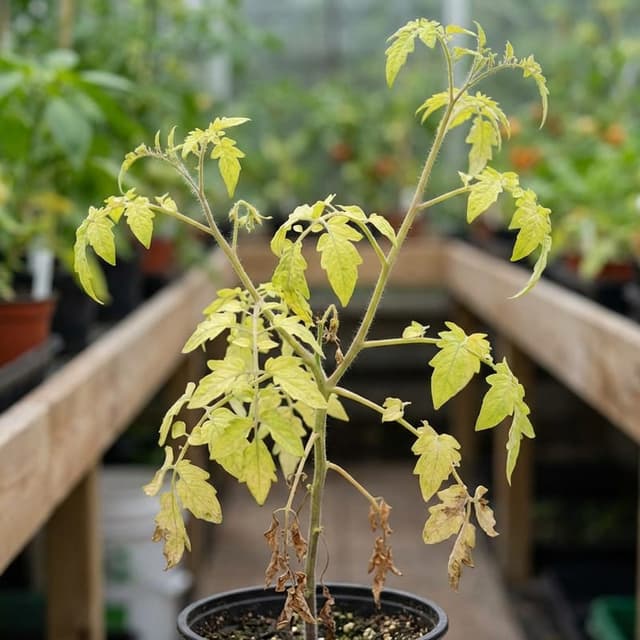
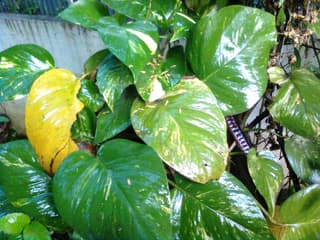
Nitrogen deficiency occurs when plants lack sufficient nitrogen, an essential macronutrient needed for chlorophyll production and overall growth. This deficiency typically manifests as yellowing leaves, starting with older foliage and progressing to newer growth if left untreated.
Slow
14 days
What is Nitrogen Deficiency?
Nitrogen Deficiency is a nutrient_deficiency condition with moderate severity that affects plants. Nitrogen deficiency occurs when plants lack sufficient nitrogen, an essential macronutrient needed for chlorophyll production and overall growth. This deficiency typically manifests as yellowing leaves, starting with older foliage and progressing to newer growth if left untreated.
Nitrogen Deficiency is a nutrient_deficiency disease with moderate severity that spreads at a slow rate. Recovery typically takes approximately 14 days with proper treatment. It affects 10 plant species in our database.
Unlike many common diseases, Nitrogen Deficiency is not contagious between plants.
🔍 What Are the Symptoms of Nitrogen Deficiency?
TLDR: Nitrogen Deficiency presents 7 main symptoms. Early identification is crucial for effective treatment.
Main Symptoms
- ! Yellowing (chlorosis) of older, lower leaves first
- ! Pale yellow-green coloration across the entire plant
- ! Stunted or slow growth rate
- ! Reduced plant vigor and smaller leaf size
- ! Premature leaf drop in severe cases
- ! Reduced flowering and fruiting
- ! Some species may develop purple or reddish tints instead of yellowing
Visual Signs
❓ What Causes Nitrogen Deficiency in Plants?
- → Poor or depleted soil lacking organic matter
- → Over-watering causing nutrient leaching from soil
- → Adding high-carbon organic matter (sawdust, wood chips) that uses up available nitrogen during decomposition
- → Sandy soils that do not retain nutrients well
- → Root damage or disease preventing nutrient uptake
- → Imbalanced fertilization or lack of regular feeding
- → Cold soil temperatures slowing nitrogen availability
💊 How to Treat Nitrogen Deficiency?
TLDR: Treat Nitrogen Deficiency with 7 days of quick treatment or 14 days of organic treatment. Full recovery takes approximately 14 days.
Quick Fixes
~7 days
Step 1
Apply water-soluble nitrogen fertilizer (urea or ammonium nitrate) immediately
Step 2
Use foliar spray application for fastest absorption (results in 24-48 hours)
Step 3
Apply quick-release granular fertilizer (21-0-0 or similar) at recommended rate
Step 4
Water thoroughly after application to activate nutrients
Step 5
Monitor plant response within 3-7 days and reapply if needed
Materials needed:
Organic Treatment
~14 days
Step 1
Apply compost or well-rotted manure (2-4 inches layer) around plant base
Step 2
Add blood meal (13% nitrogen) at 1-2 lbs per 100 sq ft for rapid organic boost
Step 3
Incorporate feather meal (slow-release) at 2-3 lbs per 100 sq ft for season-long nutrition
Step 4
Apply fish emulsion as foliar spray (diluted according to label) for quick leaf absorption
Step 5
Plant nitrogen-fixing cover crops (clover, vetch, fava beans) between growing seasons
Materials needed:
Expert Treatment
~21 days
Step 1
Conduct soil test to determine exact nitrogen levels and pH (optimal 6.0-7.0)
Step 2
Implement 4Rs nitrogen stewardship: Right Source, Right Rate, Right Time, Right Method
Step 3
Apply base nitrogen at planting using slow-release coated urea (40-60 lbs N/acre)
Step 4
Schedule split applications: 30% at planting, 40% at vegetative stage, 30% at reproductive stage
Step 5
Use precision application methods (drip irrigation, side-dressing) to minimize waste
Step 6
Integrate organic amendments (compost 2-3 tons/acre) for long-term soil health
Step 7
Plant nitrogen-fixing legumes in rotation to naturally replenish soil nitrogen
Step 8
Monitor with tissue testing every 2-3 weeks during growing season
Step 9
Adjust irrigation to prevent nitrogen leaching (1-1.5 inches per week)
Step 10
Apply foliar nitrogen sprays as needed for rapid correction of acute deficiency
Step by Step
- 1
Identify severity: Check if only lower leaves are affected or if deficiency has spread to newer growth
- 2
Apply fast-acting nitrogen fertilizer: Use liquid fish emulsion, diluted urea, or nitrogen-rich fertilizer according to package instructions
- 3
Water thoroughly: Help nutrients penetrate the root zone and become available to the plant
- 4
Monitor progress: Within 3-7 days, new growth should appear greener and healthier
- 5
Maintain feeding schedule: Continue with regular fertilization every 2-4 weeks during growing season
- 6
Note: Yellow leaves will not turn green again, but new growth will be healthy
🧪 Natural vs Chemical: Which Treatment Works for Nitrogen Deficiency?
🌱 Natural Solutions
- ✓ Apply liquid fish emulsion or seaweed extract for quick nitrogen boost
- ✓ Use compost tea as a foliar spray or soil drench
- ✓ Add well-composted manure to the soil
- ✓ Mulch with grass clippings (ensure they are pesticide-free)
- ✓ Use blood meal or alfalfa meal as natural nitrogen sources
- ✓ Plant nitrogen-fixing legumes nearby as companion plants
💉 Chemical Solutions
- ✓ Apply water-soluble urea-based fertilizer (high first number in N-P-K ratio)
- ✓ Use ammonium nitrate or ammonium sulfate fertilizers
- ✓ Apply slow-release synthetic nitrogen fertilizers
- ✓ Use complete NPK fertilizer with emphasis on nitrogen content
Treatment Comparison
| Type | Estimated time | Steps | Difficulty | Best For |
|---|---|---|---|---|
| ⚡Quick | ~7 days | 5 | Advanced | Urgent cases |
| 🌿Organic | ~14 days | 5 | Advanced | Indoor plants |
| 🔬Expert | ~21 days | 10 | Advanced | Severe infections |
🛡️ How to Prevent Nitrogen Deficiency?
TLDR: Prevent Nitrogen Deficiency with 7 essential care practices. Regular monitoring is key for early detection.
- ✓ Use nitrogen-rich fertilizers or organic amendments regularly
- ✓ Apply compost, well-rotted manure, or grass clippings as mulch
- ✓ Plant leguminous cover crops (beans, peas, clover) that fix atmospheric nitrogen
- ✓ Ensure proper drainage to prevent nutrient leaching
- ✓ Test soil regularly to monitor nutrient levels
- ✓ Avoid adding high-carbon materials without supplemental nitrogen
- ✓ Maintain consistent watering schedule to prevent nutrient washout
🔗Related Diseases
Phosphorus Deficiency
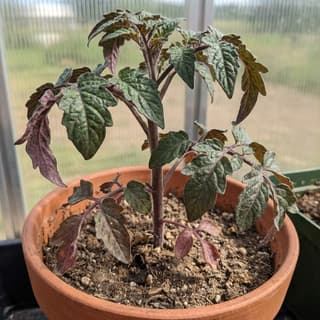
MediumPhosphorus deficiency is a common nutritional problem that hinders healthy plant growth. Phosphorus is essential for root development, flowering, fruiting, and energy metabolism. When deficient, plants exhibit stunted growth and leaves with purple or reddish coloration, especially on older leaves.
Potassium Deficiency
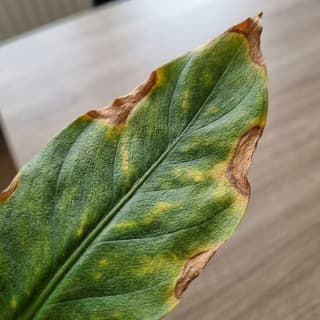
MediumPotassium deficiency is a nutritional disorder that affects a plant's ability to regulate stomatal opening and closing, resulting in characteristic leaf edge burn. Potassium is a mobile nutrient, so symptoms first appear on older, lower leaves.
Iron Deficiency
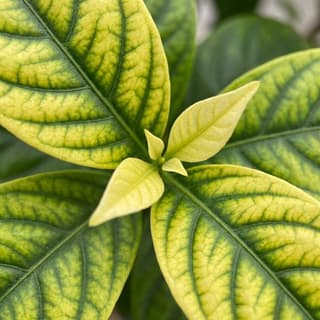
MediumIron deficiency, commonly known as iron chlorosis, is a nutrient deficiency disorder where plants cannot access sufficient iron from the soil. While iron is typically abundant in soil, various soil conditions can limit plant uptake, resulting in characteristic yellowing of leaves while veins remain green.
Magnesium Deficiency
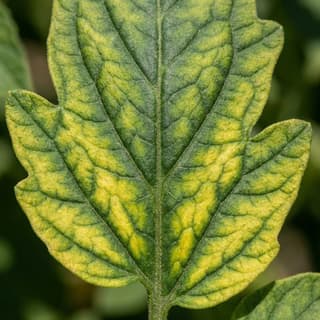
MediumMagnesium deficiency is a nutrient disorder characterized by interveinal chlorosis, where leaf tissue between veins turns yellow while the veins remain green. This deficiency affects older leaves first as magnesium is a mobile nutrient that plants relocate to support new growth. Magnesium is essential for chlorophyll production and photosynthesis, making this deficiency critical for plant health.
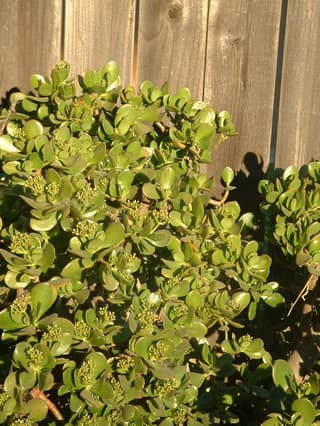
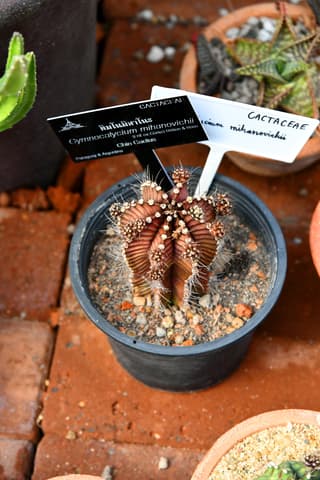
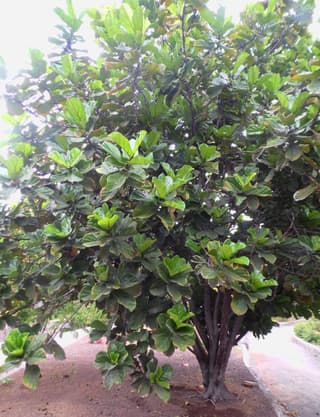
🌿 Which Plants Are Most Affected by Nitrogen Deficiency?


Sources & References
- Nitrogen Deficiency: Identify, Prevent and Treat it
- Nitrogen deficiency - Wikipedia
- Are you sure that yellowing means nitrogen deficiency? - MSU Extension
- Trees and Shrubs: Disorders: Nitrogen deficiency
- Why yellow leaves? - Identify symptoms of nitrogen deficiency
- How to Fix Yellowing Leaves Caused by Nitrogen Deficiency
- Nutrient deficiencies | RHS Advice
- Nitrogen Deficiency In Plants: Symptomes, Causes, Ways To Fix
- How to identify and treat nitrogen deficiency in plants