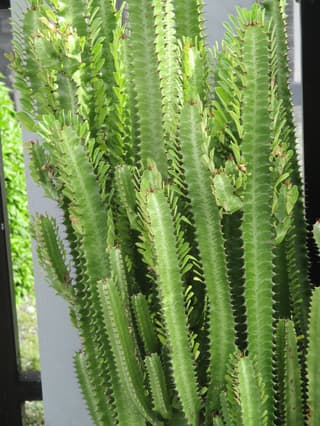
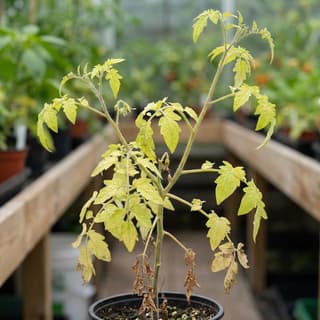
African Milk Tree with Nitrogen Deficiency? Rare but Treatable
Euphorbia trigona
Nitrogen Deficiency on African Milk Tree: What to Know?
Nitrogen Deficiency on African Milk Tree (Euphorbia trigona) is a nutrient_deficiency condition with moderate severity. African Milk Tree has low susceptibility to this disease. Nitrogen deficiency occurs when plants lack sufficient nitrogen, an essential macronutrient needed for chlorophyll production and overall growth. This deficiency typically manifests as yellowing leave...
African Milk Tree is a easy-care plant. Recovery from Nitrogen Deficiency takes approximately 14 days with proper treatment. As an indoor plant, ensure good ventilation to aid recovery.
Unlike most plants, African Milk Tree has natural resistance to Nitrogen Deficiency. Best treated with preventive measures rather than reactive treatment.
🔍 What Does Nitrogen Deficiency Look Like on African Milk Tree?
- • Yellowing (chlorosis) of older, lower leaves first
- • Pale yellow-green coloration across the entire plant
- • Stunted or slow growth rate
- • Reduced plant vigor and smaller leaf size
- • Premature leaf drop in severe cases
- • Reduced flowering and fruiting
- • Some species may develop purple or reddish tints instead of yellowing
❓ What Causes Nitrogen Deficiency on African Milk Tree?
- → Poor or depleted soil lacking organic matter
- → Over-watering causing nutrient leaching from soil
- → Adding high-carbon organic matter (sawdust, wood chips) that uses up available nitrogen during decomposition
- → Sandy soils that do not retain nutrients well
- → Root damage or disease preventing nutrient uptake
- → Imbalanced fertilization or lack of regular feeding
- → Cold soil temperatures slowing nitrogen availability
💊 How to Treat Nitrogen Deficiency on African Milk Tree?
TLDR: Treat Nitrogen Deficiency on African Milk Tree with quick treatment (~7 days) or organic (~14 days). African Milk Tree has low susceptibility to this disease.
Quick Fixes
Step 1
Apply water-soluble nitrogen fertilizer (urea or ammonium nitrate) immediately
Step 2
Use foliar spray application for fastest absorption (results in 24-48 hours)
Step 3
Apply quick-release granular fertilizer (21-0-0 or similar) at recommended rate
Step 4
Water thoroughly after application to activate nutrients
Step 5
Monitor plant response within 3-7 days and reapply if needed
Organic Treatment
Step 1
Apply compost or well-rotted manure (2-4 inches layer) around plant base
Step 2
Add blood meal (13% nitrogen) at 1-2 lbs per 100 sq ft for rapid organic boost
Step 3
Incorporate feather meal (slow-release) at 2-3 lbs per 100 sq ft for season-long nutrition
Step 4
Apply fish emulsion as foliar spray (diluted according to label) for quick leaf absorption
Step 5
Plant nitrogen-fixing cover crops (clover, vetch, fava beans) between growing seasons
🛡️ How to Prevent Nitrogen Deficiency on African Milk Tree?
TLDR: Prevent Nitrogen Deficiency on African Milk Tree with 7 essential preventive care practices.
- ✓ Use nitrogen-rich fertilizers or organic amendments regularly
- ✓ Apply compost, well-rotted manure, or grass clippings as mulch
- ✓ Plant leguminous cover crops (beans, peas, clover) that fix atmospheric nitrogen
- ✓ Ensure proper drainage to prevent nutrient leaching
- ✓ Test soil regularly to monitor nutrient levels
- ✓ Avoid adding high-carbon materials without supplemental nitrogen
- ✓ Maintain consistent watering schedule to prevent nutrient washout
🌱 How to Care for African Milk Tree to Prevent Nitrogen Deficiency?
💧 How to Water
Water only when soil is completely dry, typically every 3-4 weeks. Reduce watering in winter. Wrinkled leaves indicate thirst. Yellowing or browning may signal overwatering and root rot.
☀️ Lighting
Prefers bright indirect light to direct sunlight. Can tolerate some direct morning or afternoon sun. Avoid harsh midday sun which may cause scorching. Also adapts to medium light conditions.
🪴 Ideal Soil
Use well-draining sandy or cactus mix. A 2:1:1 blend of cactus soil, perlite, and coarse sand works well. Good drainage is essential to prevent root rot.
Frequently asked questions
Can Nitrogen Deficiency kill my African Milk Tree?
How long does African Milk Tree take to recover from Nitrogen Deficiency?
Is Nitrogen Deficiency contagious to other plants near African Milk Tree?
Sources & References
- Nitrogen Deficiency: Identify, Prevent and Treat it
- Nitrogen deficiency - Wikipedia
- Are you sure that yellowing means nitrogen deficiency? - MSU Extension
- Trees and Shrubs: Disorders: Nitrogen deficiency
- Why yellow leaves? - Identify symptoms of nitrogen deficiency
- How to Fix Yellowing Leaves Caused by Nitrogen Deficiency
- Nutrient deficiencies | RHS Advice
- Nitrogen Deficiency In Plants: Symptomes, Causes, Ways To Fix
- How to identify and treat nitrogen deficiency in plants
- BBC Gardeners World Magazine
- NC State Extension
- Gardenia.net
- NY Botanical Garden