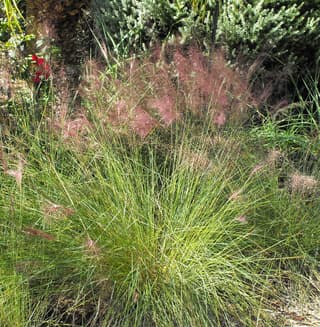
Pink Muhly Grass with Nutrient Deficiency? Rare but Treatable
Muhlenbergia capillaris
Nutrient Deficiency on Pink Muhly Grass: What to Know?
Nutrient Deficiency on Pink Muhly Grass (Muhlenbergia capillaris) is a nutrient_deficiency condition with moderate severity. Pink Muhly Grass has low susceptibility to this disease. Nutrient deficiency occurs when a plant cannot access one or more essential mineral elements in sufficient quantities for healthy growth. Plants require 17 essential nutrients: macronutrients (N, P, K...
Pink Muhly Grass is a easy-care plant. Recovery from Nutrient Deficiency takes approximately 21 days with proper treatment.
Unlike most plants, Pink Muhly Grass has natural resistance to Nutrient Deficiency. Best treated with preventive measures rather than reactive treatment.
🔍 What Does Nutrient Deficiency Look Like on Pink Muhly Grass?
- • Nitrogen (N): overall yellowing starting from older/lower leaves, progressing upward; slow stunted growth; pale lime-green foliage
- • Phosphorus (P): purple or reddish discoloration on leaf undersides and stems; dull dark-green older leaves; poor root and shoot elongation
- • Potassium (K): brown scorched edges on older leaves (marginal necrosis); weak stems; reduced flowering and fruiting
- • Calcium (Ca): tip burn and distortion on youngest leaves and growing tips; blossom end rot in fruiting plants; stunted new growth
- • Magnesium (Mg): interveinal chlorosis on older leaves (veins stay green while tissue yellows); leaves may curl upward; premature leaf drop
- • Iron (Fe): bright interveinal chlorosis on youngest/newest leaves (veins remain green); severe cases turn leaves nearly white
- • Zinc (Zn): small chlorotic or bronze mottled new leaves; shortened internodes; distorted leaf shape
- • General: stunted overall growth, poor flowering and fruiting, leaf necrosis in advanced cases
❓ What Causes Nutrient Deficiency on Pink Muhly Grass?
- → Depleted or inherently nutrient-poor soil lacking organic matter
- → Incorrect soil pH — acidic pH (<6.0) locks out K, Ca, Mg; alkaline pH (>7.5) locks out Fe, Mn, Zn, B
- → Over-watering or heavy rain leaching mobile nutrients (N, K, Mg) out of root zone
- → Root damage from root rot, pests, physical injury, or waterlogging impairing uptake
- → Imbalanced fertilization creating nutrient antagonism (excess K blocking Mg; excess P blocking Fe/Zn)
- → Using soil-less or heavily peat-based mixes without supplemental feeding
- → Failure to repot container plants depleting limited soil volume
- → Salt buildup in substrate from over-fertilization locking out nutrients via osmotic stress
💊 How to Treat Nutrient Deficiency on Pink Muhly Grass?
TLDR: Treat Nutrient Deficiency on Pink Muhly Grass with quick treatment (~? days) or organic (~? days). Pink Muhly Grass has low susceptibility to this disease.
🛡️ How to Prevent Nutrient Deficiency on Pink Muhly Grass?
TLDR: Prevent Nutrient Deficiency on Pink Muhly Grass with 8 essential preventive care practices.
- ✓ Test soil pH annually and maintain 6.0–6.8 for most plants (or 5.5–6.5 for acid-lovers)
- ✓ Perform soil or tissue tests every 1–2 years to identify deficiencies before symptoms appear
- ✓ Use a balanced fertilizer (NPK + micros) on a consistent schedule during the growing season
- ✓ Incorporate organic matter (compost, aged manure) to improve soil nutrient retention and structure
- ✓ Repot container plants every 1–2 years to refresh growing medium
- ✓ Avoid over-watering to prevent nutrient leaching and root damage
- ✓ Monitor for salt buildup — flush soil periodically with plain water if EC is high
- ✓ Choose fertilizers matched to plant type (e.g., acid fertilizer for ericaceous plants)
🌱 How to Care for Pink Muhly Grass to Prevent Nutrient Deficiency?
💧 How to Water
Water newly planted pink muhly grass weekly for the first growing season to help it establish. Once established (typically after one full season), it becomes highly drought tolerant and needs only deep, infrequent watering — roughly every 10–14 days during dry spells, or none at all where rainfall is regular. Never let the plant sit in waterlogged soil; excellent drainage is essential. Reduce watering significantly in fall and winter.
☀️ Lighting
Pink muhly grass demands full sun — a minimum of 6 to 8 hours of direct sunlight per day — to produce its iconic pink plumes. In partial shade, the plant will grow but flowering is significantly reduced and the foliage tends to become leggy and lax. Site it in the sunniest spot in the garden for the best floral display each autumn.
🪴 Ideal Soil
Plant in sandy, rocky, or well-draining loamy soil with a pH between 5.5 and 8.0. Pink muhly grass actually performs better in lean, low-fertility soils — overly rich or heavily amended soils encourage excessive foliage at the expense of flowers. Avoid clay or poorly drained soils entirely, as they promote root rot. It is remarkably salt-tolerant, making it excellent for coastal gardens.