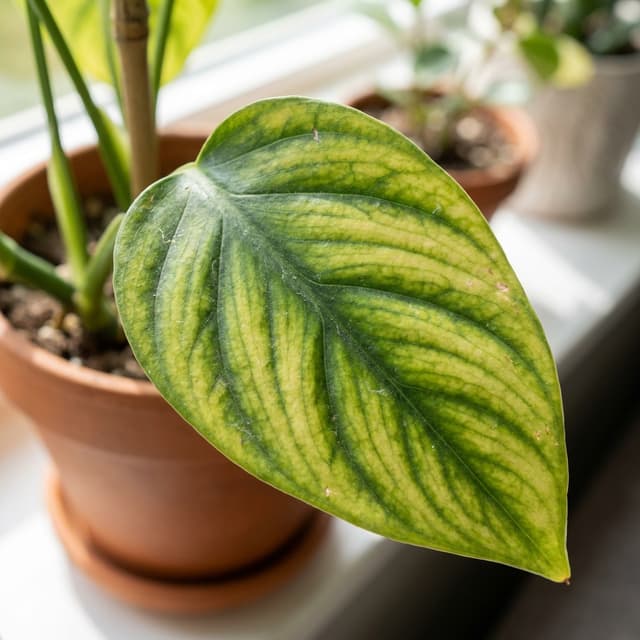
Nutrient Deficiency in Plants — Symptoms, Causes & Treatment
Nutrient deficiency occurs when a plant cannot access one or more essential mineral elements in sufficient quantities for healthy growth. Plants require 17 essential nutrients: macronutrients (N, P, K, Ca, Mg, S) and micronutrients (Fe, Zn, Mn, Cu, B, Mo, Cl). Each plays a unique role in metabolism, structure, and reproduction. Deficiencies arise from depleted soils, incorrect pH blocking uptake, poor watering practices leaching nutrients, root damage, or imbalanced fertilization. Understanding whether a nutrient is mobile or immobile determines where symptoms first appear: mobile nutrients (N, P, K, Mg) show symptoms on older leaves first, while immobile nutrients (Ca, Fe, Zn, Cu, B) show symptoms on new growth first.
21 days
What is Nutrient Deficiency?
Nutrient Deficiency is a nutrient_deficiency condition with moderate severity that affects plants. Nutrient deficiency occurs when a plant cannot access one or more essential mineral elements in sufficient quantities for healthy growth. Plants require 17 essential nutrients: macronutrients (N, P, K, Ca, Mg, S) and micronutrients (Fe, Zn, Mn, Cu, B, Mo, Cl). Each plays a unique role in metabolism,...
Nutrient Deficiency is a nutrient_deficiency disease with moderate severity. Recovery typically takes approximately 21 days with proper treatment. It affects 10 plant species in our database.
Unlike many common diseases, Nutrient Deficiency is not contagious between plants.
🔍 What Are the Symptoms of Nutrient Deficiency?
TLDR: Nutrient Deficiency presents 8 main symptoms. Early identification is crucial for effective treatment.
Main Symptoms
- ! Nitrogen (N): overall yellowing starting from older/lower leaves, progressing upward; slow stunted growth; pale lime-green foliage
- ! Phosphorus (P): purple or reddish discoloration on leaf undersides and stems; dull dark-green older leaves; poor root and shoot elongation
- ! Potassium (K): brown scorched edges on older leaves (marginal necrosis); weak stems; reduced flowering and fruiting
- ! Calcium (Ca): tip burn and distortion on youngest leaves and growing tips; blossom end rot in fruiting plants; stunted new growth
- ! Magnesium (Mg): interveinal chlorosis on older leaves (veins stay green while tissue yellows); leaves may curl upward; premature leaf drop
- ! Iron (Fe): bright interveinal chlorosis on youngest/newest leaves (veins remain green); severe cases turn leaves nearly white
- ! Zinc (Zn): small chlorotic or bronze mottled new leaves; shortened internodes; distorted leaf shape
- ! General: stunted overall growth, poor flowering and fruiting, leaf necrosis in advanced cases
Visual Signs
❓ What Causes Nutrient Deficiency in Plants?
- → Depleted or inherently nutrient-poor soil lacking organic matter
- → Incorrect soil pH — acidic pH (<6.0) locks out K, Ca, Mg; alkaline pH (>7.5) locks out Fe, Mn, Zn, B
- → Over-watering or heavy rain leaching mobile nutrients (N, K, Mg) out of root zone
- → Root damage from root rot, pests, physical injury, or waterlogging impairing uptake
- → Imbalanced fertilization creating nutrient antagonism (excess K blocking Mg; excess P blocking Fe/Zn)
- → Using soil-less or heavily peat-based mixes without supplemental feeding
- → Failure to repot container plants depleting limited soil volume
- → Salt buildup in substrate from over-fertilization locking out nutrients via osmotic stress
💊 How to Treat Nutrient Deficiency?
Step by Step
- 1
Step 1 — Identify which nutrient: match visual symptoms to deficiency pattern (old leaves = mobile N/P/K/Mg; new leaves = immobile Ca/Fe/Zn/Cu/B)
- 2
Step 2 — Check soil pH: test with a meter; adjust if outside 6.0–6.8 using lime (raise) or sulfur/acidifier (lower)
- 3
Step 3 — Flush if salt buildup: water thoroughly 2–3 times the pot volume to leach accumulated salts before refeeding
- 4
Step 4 — Apply targeted nutrient: use foliar spray for fast correction of immobile nutrients; soil drench for mobile ones
- 5
Step 5 — Resume regular feeding: switch to a balanced fertilizer schedule appropriate for the plant and season
- 6
Step 6 — Monitor recovery: check every 7–10 days; new growth should appear healthy within 2–4 weeks; old damaged leaves will not recover
- 7
Step 7 — Confirm with soil/tissue test if symptoms persist after 4 weeks to rule out root issues or disease
🧪 Natural vs Chemical: Which Treatment Works for Nutrient Deficiency?
🌱 Natural Solutions
- ✓ Compost and aged manure: broad-spectrum slow-release nutrients and beneficial microbes
- ✓ Worm castings: gentle, balanced NPK + micros; safe for seedlings and sensitive roots
- ✓ Fish emulsion: fast-acting nitrogen boost; apply diluted 1:10 as soil drench or foliar spray
- ✓ Seaweed/kelp extract: supplies 60+ trace minerals, growth hormones; improves stress tolerance
- ✓ Banana peel (buried or tea): potassium source for flowering and fruiting plants
- ✓ Bone meal: slow-release phosphorus and calcium; ideal for root development and flowering
- ✓ Epsom salt (magnesium sulfate): correct Mg deficiency — 1 tbsp per gallon as foliar spray or drench
- ✓ Compost tea: fermented compost liquid applied as foliar or soil drench for quick nutrient delivery
- ✓ Wood ash: potassium and calcium source (use sparingly — raises pH)
- ✓ Coffee grounds: nitrogen and mild acidifier for acid-loving plants
💉 Chemical Solutions
- ✓ Balanced NPK liquid fertilizer (e.g., 10-10-10 or 20-20-20): broad correction for general deficiency
- ✓ High-nitrogen fertilizer (ammonium sulfate, calcium nitrate, urea): rapid N correction
- ✓ Potassium sulfate or potassium nitrate: correct K deficiency without raising pH
- ✓ Chelated iron (Fe-EDTA, Fe-DTPA): overcome alkaline pH lock-out; apply as foliar or drench
- ✓ Chelated micronutrient mix: correct Fe, Mn, Zn, Cu, B simultaneously
- ✓ Calcium-magnesium supplement (Cal-Mag): correct Ca and Mg imbalances in container plants
- ✓ Slow-release granular fertilizer (Osmocote, Nutricote): 3–6 month sustained feeding
- ✓ Foliar fertilizer spray: fastest route for immobile nutrients (Fe, Zn, Mn, Ca) — bypasses root uptake issues
🛡️ How to Prevent Nutrient Deficiency?
TLDR: Prevent Nutrient Deficiency with 8 essential care practices. Regular monitoring is key for early detection.
- ✓ Test soil pH annually and maintain 6.0–6.8 for most plants (or 5.5–6.5 for acid-lovers)
- ✓ Perform soil or tissue tests every 1–2 years to identify deficiencies before symptoms appear
- ✓ Use a balanced fertilizer (NPK + micros) on a consistent schedule during the growing season
- ✓ Incorporate organic matter (compost, aged manure) to improve soil nutrient retention and structure
- ✓ Repot container plants every 1–2 years to refresh growing medium
- ✓ Avoid over-watering to prevent nutrient leaching and root damage
- ✓ Monitor for salt buildup — flush soil periodically with plain water if EC is high
- ✓ Choose fertilizers matched to plant type (e.g., acid fertilizer for ericaceous plants)
🔗Related Diseases
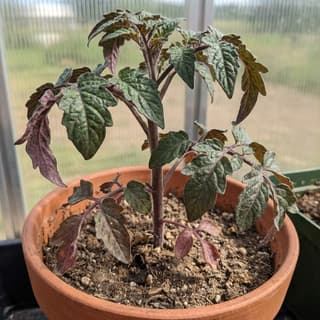
Phosphorus Deficiency
MediumPhosphorus deficiency is a common nutritional problem that hinders healthy plant growth. Phosphorus is essential for root development, flowering, fruiting, and energy metabolism. When deficient, plants exhibit stunted growth and leaves with purple or reddish coloration, especially on older leaves.
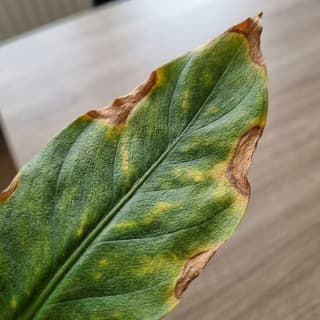
Potassium Deficiency
MediumPotassium deficiency is a nutritional disorder that affects a plant's ability to regulate stomatal opening and closing, resulting in characteristic leaf edge burn. Potassium is a mobile nutrient, so symptoms first appear on older, lower leaves.
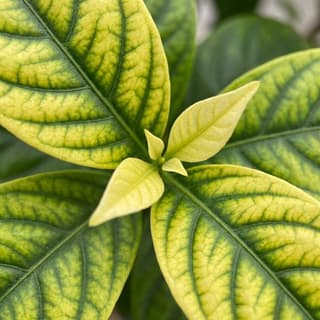
Iron Deficiency
MediumIron deficiency, commonly known as iron chlorosis, is a nutrient deficiency disorder where plants cannot access sufficient iron from the soil. While iron is typically abundant in soil, various soil conditions can limit plant uptake, resulting in characteristic yellowing of leaves while veins remain green.
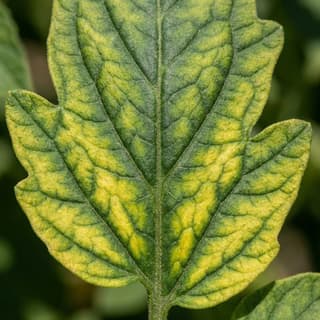
Magnesium Deficiency
MediumMagnesium deficiency is a nutrient disorder characterized by interveinal chlorosis, where leaf tissue between veins turns yellow while the veins remain green. This deficiency affects older leaves first as magnesium is a mobile nutrient that plants relocate to support new growth. Magnesium is essential for chlorophyll production and photosynthesis, making this deficiency critical for plant health.