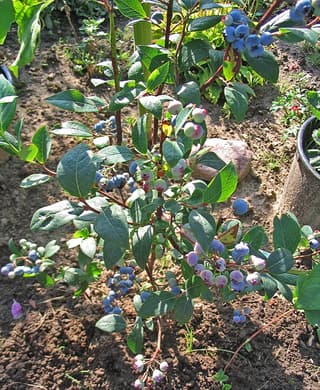
Blueberry Prone to Overwatering: How to Protect
Vaccinium sp
Overwatering on Blueberry: What to Know?
Overwatering on Blueberry (Vaccinium sp) is a environmental condition with moderate severity. Blueberry has high susceptibility to this disease. Overwatering occurs when plants receive too much water, depriving roots of oxygen and causing root rot. This environmental stress is one of the most common causes of houseplant death, as waterlogged s...
Blueberry is a medium-care plant. Recovery from Overwatering takes approximately 14 days with proper treatment.
Blueberry is highly susceptible to Overwatering, unlike most plants in the same family. Without early intervention, recovery takes 21 days instead of 14 days.
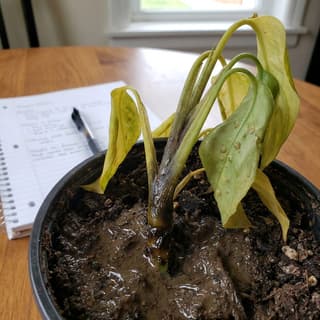
🔍 What Does Overwatering Look Like on Blueberry?
- • Yellow or brown limp, droopy leaves that feel soft and mushy
- • Wilting despite wet soil
- • Dropping leaves (both old and new) that may be green, brown, or yellow
- • Brown spots or edges with yellow halos on leaves (bacterial infection)
- • Mushy or unstable plant stem base
- • Fungus or mold growing on soil surface
- • Presence of fungus gnats around the plant
- • Rotten or foul odor from the soil
- • Roots appear brown, grey, black, slimy, or non-existent instead of white and firm
❓ What Causes Overwatering on Blueberry?
- → Watering too frequently without allowing soil to dry
- → Poor drainage in pot or soil
- → Using pots without drainage holes
- → Heavy, compacted soil that retains too much moisture
- → Overestimating plant water needs
- → Watering during dormant season at same rate as growing season
- → Low light conditions reducing water uptake
💊 How to Treat Overwatering on Blueberry?
TLDR: Treat Overwatering on Blueberry with quick treatment (~7 days) or organic (~14 days). Blueberry has high susceptibility to this disease.
Quick Fixes
Step 1
Immediately stop all watering
Step 2
Tilt pot on its side and gently tap to create air pockets in soil
Step 3
If drainage holes are blocked, clear them immediately
Step 4
Place pot on elevated surface or add drainage tray with pebbles
Step 5
Improve air circulation with fan or move to ventilated area
Step 6
If soil is waterlogged after 24 hours, emergency repot into dry soil
Step 7
Monitor daily and only water when soil is dry 2 inches deep
Organic Treatment
Step 1
Stop watering immediately and move plant to area with good air circulation
Step 2
Remove plant from pot and gently shake off excess wet soil
Step 3
Inspect roots and trim any brown, mushy, or rotting sections with sterilized scissors
Step 4
Allow roots to air dry for 2-4 hours in indirect light
Step 5
Repot in fresh, well-draining soil mix (50% perlite, 50% quality potting mix)
Step 6
Place in bright indirect light and avoid watering for 7-10 days
Step 7
Resume light watering only when top 2 inches of soil are completely dry
🛡️ How to Prevent Overwatering on Blueberry?
TLDR: Prevent Overwatering on Blueberry with 8 essential preventive care practices.
- ✓ Research specific watering requirements for each plant species
- ✓ Allow top 2-3 inches of soil to dry out between waterings
- ✓ Use well-draining soil formulated for your specific plant type
- ✓ Ensure all pots have adequate drainage holes
- ✓ Invest in a moisture meter to check soil moisture accurately
- ✓ Reduce watering frequency during fall and winter dormancy
- ✓ Pay attention to plant responses and adjust watering accordingly
- ✓ Provide adequate light to help plants use water efficiently
🌱 How to Care for Blueberry to Prevent Overwatering?
💧 How to Water
Water every 2–4 days during the growing season, maintaining consistently moist soil. Blueberries have shallow roots and are sensitive to drought stress. Avoid waterlogging as it promotes root rot. During winter dormancy, reduce watering significantly.
☀️ Lighting
Blueberries require full sun—at least 6–8 hours of direct sunlight per day—for optimal fruit production. Partial shade is tolerated but significantly reduces flowering and fruiting. Place in the sunniest location available in your garden.
🪴 Ideal Soil
Plant in acidic soil with a pH of 4.0–5.5. Use a peat-based mix enriched with organic matter. Avoid alkaline or compacted soils. If native soil is not acidic enough, amend with elemental sulfur or use raised beds filled with a blueberry-specific mix.
Frequently asked questions
Can Overwatering kill my Blueberry?
How long does Blueberry take to recover from Overwatering?
Is Overwatering contagious to other plants near Blueberry?
Sources & References
- How to Save Overwatered Plants From Drowning - Proven Winners
- 5 Telltale Signs of Overwatered Plants | Bloomscape
- How To Fix Overwatering and Root Rot on Your Houseplants – Costa Farms
- How to Save Overwatered Plants - Highland Moss
- Overwatering - Missouri Botanical Garden
- Growing Blueberries in the Home Garden - UMN Extension
- Rabbiteye Blueberry Care Guide - ForwardPlant
- Blueberry Bacterial and Fungal Diseases - OSU Extension
- Blueberry Botrytis Blight - PNW Pest Management
- Vaccinium - NC State Extension