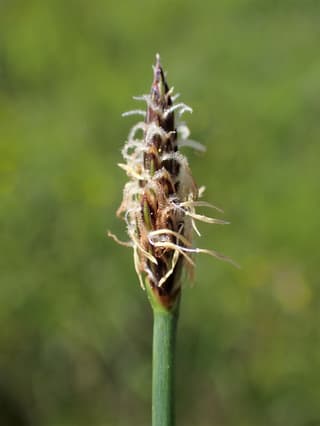
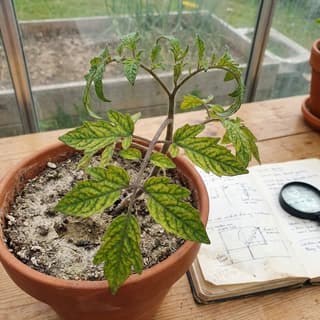
Spikerush with Soil pH Imbalance: Prevention & Cure
Eleocharis
Soil pH Imbalance on Spikerush: What to Know?
Soil pH Imbalance on Spikerush (Eleocharis) is a environmental condition with moderate severity. Spikerush has moderate susceptibility to this disease. Soil pH imbalance occurs when soil becomes too acidic (low pH < 6.0) or too alkaline (high pH > 7.5), preventing plants from absorbing essential nutrients. The ideal pH range for most plants is 6.5-7....
Spikerush is a easy-care plant. Recovery from Soil pH Imbalance takes approximately 90 days with proper treatment. As an indoor plant, ensure good ventilation to aid recovery.
🔍 What Does Soil pH Imbalance Look Like on Spikerush?
- • Yellowing of older leaves with low pH (acidic soil)
- • Interveinal chlorosis on young leaves with high pH (alkaline soil)
- • Stunted or slow growth
- • Brown spots or tips on leaves
- • Curled, twisted, or withered leaves
- • Purple or red cast on leaves in cool weather (phosphorus tie-up)
- • Poor root development
- • Reduced flowering and fruiting
- • Moss growth on soil surface (acidic conditions)
❓ What Causes Soil pH Imbalance on Spikerush?
- → Natural soil composition (sandy, peaty, or chalky soils)
- → Use of hard water for irrigation (increases alkalinity)
- → Over-application of lime or wood ash
- → Excessive use of acidifying fertilizers
- → Heavy rainfall leaching nutrients (causes acidity)
- → Decomposing organic matter affecting pH balance
- → Geographic location with naturally acidic or alkaline soil
💊 How to Treat Soil pH Imbalance on Spikerush?
TLDR: Treat Soil pH Imbalance on Spikerush with quick treatment (~45 days) or organic (~90 days). Spikerush has moderate susceptibility to this disease.
Quick Fixes
Step 1
Test soil pH immediately
Step 2
For acidic soil: Apply agricultural lime at recommended rate (typically 5-10 lbs per 100 sq ft)
Step 3
For alkaline soil: Apply aluminum sulfate (1-2 lbs per 100 sq ft for faster action than elemental sulfur)
Step 4
Water deeply immediately after application
Step 5
Retest pH after 2-3 weeks
Step 6
Apply foliar fertilizer to address immediate nutrient deficiencies
Step 7
Repeat amendment at half-rate if pH still not in range
Organic Treatment
Step 1
Test soil pH to determine if acidic (<6.5) or alkaline (>7.5)
Step 2
For acidic soil: Mix 2-3 tablespoons ground limestone per gallon of soil
Step 3
For alkaline soil: Mix 1-2 tablespoons elemental sulfur per gallon of soil
Step 4
Add 2 inches of compost to buffer pH and improve soil structure
Step 5
Water thoroughly to help amendments penetrate soil
Step 6
Retest pH after 4-6 weeks
Step 7
If needed, repeat with half the original amendment dose
Step 8
Maintain with monthly compost top-dressing
🛡️ How to Prevent Soil pH Imbalance on Spikerush?
TLDR: Prevent Soil pH Imbalance on Spikerush with 7 essential preventive care practices.
- ✓ Test soil pH regularly (every 6-12 months) using a reliable pH meter
- ✓ Use filtered or rainwater instead of hard tap water
- ✓ Choose plants suited to your natural soil pH
- ✓ Apply amendments gradually in small doses
- ✓ Monitor water quality and adjust irrigation practices
- ✓ Maintain proper drainage to prevent nutrient leaching
- ✓ Add organic matter to buffer pH fluctuations
🌱 How to Care for Spikerush to Prevent Soil pH Imbalance?
💧 How to Water
The substrate must be permanently saturated with water or completely submerged. In an aquarium, ensure good water circulation around the stems. In a pond, it tolerates water depths up to 5–10 cm above the substrate surface. A lack of water causes rapid wilting and browning.
☀️ Lighting
Spikerush needs strong lighting (40+ PAR, 5,000–30,000 lux). Insufficient light causes the stems to grow tall instead of wide, and the plant loses its ability to form a compact carpet. For aquarium cultivation, we recommend a full-spectrum LED light with a color temperature around 6,500 K.
🪴 Ideal Soil
A fine-grained, nutrient-rich substrate (aquarium soil, sandy-clay soil) is ideal. The substrate depth should be at least 5 cm for good root anchoring. For pond species, a muddy or clayey substrate is sufficient. Adding CO₂ in an aquarium significantly accelerates growth and carpet formation.
Frequently asked questions
Can Soil pH Imbalance kill my Spikerush?
How long does Spikerush take to recover from Soil pH Imbalance?
Is Soil pH Imbalance contagious to other plants near Spikerush?
Sources & References
- Alkaline Soil Explained: How to Identify and Fix Alkaline Soil - MasterClass
- 7 Signs Of High pH In Plants - Atlas Scientific
- Signs Of Low pH In Plants - Atlas Scientific
- Soil pH Imbalances - Test, Correct, and Keep Plants Healthy
- Soil pH - Mosaic Crop Nutrition
- Eleocharis acicularis – Hair Grass for Carpeting Aquariums – aqua-fish.net
- Dwarf Hairgrass Care – AquariumStoreDepot
- Dwarf Hairgrass Care Guide: DENSE Carpet in 4 Weeks – AquAnswers
- Common Spike Rush Eleocharis Palustris – The Pond Outlet
- Dwarf Hairgrass Care Guide – Shrimp and Snail Breeder