European Beech Prone to Woolly Beech Aphid: How to Protect
Fagus sylvatica
Woolly Beech Aphid on European Beech: What to Know?
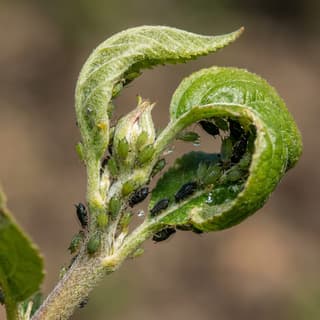
Woolly Beech Aphid on European Beech (Fagus sylvatica) is a pest condition with moderate severity. European Beech has high susceptibility to this disease. Phyllaphis is a genus of woolly aphids that primarily attack beech (Fagus), typically common beech and copper beech in hedges and as trees. They suck plant sap from young shoots and the undersides of...
European Beech is a medium-care plant.
European Beech is highly susceptible to Woolly Beech Aphid, unlike most plants in the same family. Unlike fungal diseases, Woolly Beech Aphid on European Beech responds quickly to integrated pest management. Without precautions, chemical treatments for Woolly Beech Aphid can be harmful to pets. Use organic methods for European Beech in pet-friendly homes.
🛡️ How to Prevent Woolly Beech Aphid on European Beech?
TLDR: Prevent Woolly Beech Aphid on European Beech with 5 essential preventive care practices.
- ✓ Keep beech hedges healthy with moderate fertilization and consistent watering.
- ✓ Prune lightly in late summer or autumn to remove thin twigs where eggs may be located, and clean up under the hedge.
- ✓ Check new leaves early in the spring so you can act before the colonies grow.
- ✓ Limit ant activity around the hedge.
- ✓ Plant beech in locations with sun to light shade and good air circulation so leaves dry quickly after rain.
🌱 How to Care for European Beech to Prevent Woolly Beech Aphid?
💧 How to Water
Water deeply and regularly for the first two years after planting to establish the root system. Once established, water only during extended dry spells; the beech does not tolerate soggy or compacted soil.
☀️ Lighting
Grow in full sun for the best autumn colour, though it tolerates partial shade, especially when young.
🪴 Ideal Soil
Prefers well-drained sandy, loamy or clay soils with a slightly acidic to neutral pH (5.0-7.0). Avoid heavy, waterlogged ground.