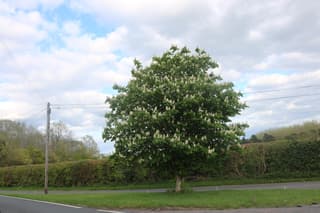
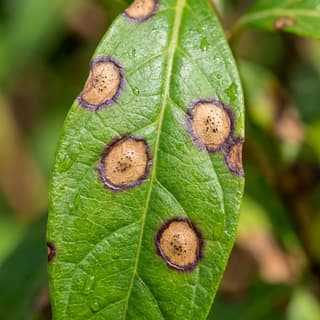
Horse Chestnut Prone to Phyllosticta Leaf Spot: How to Protect
Aesculus hippocastanum
Phyllosticta Leaf Spot on Horse Chestnut: What to Know?
Phyllosticta Leaf Spot on Horse Chestnut (Aesculus hippocastanum) is a fungal condition with moderate severity. Horse Chestnut has high susceptibility to this disease. Phyllosticta is a genus of fungi responsible for leaf spot diseases in a wide range of garden and indoor plants. These pathogens thrive in warm, humid conditions, spreading primarily through water spl...
Horse Chestnut is a medium-care plant.
Horse Chestnut is highly susceptible to Phyllosticta Leaf Spot, unlike most plants in the same family. Unlike bacterial infections, Phyllosticta Leaf Spot on Horse Chestnut can be managed with organic fungicides. Without precautions, chemical treatments for Phyllosticta Leaf Spot can be harmful to pets. Use organic methods for Horse Chestnut in pet-friendly homes.
🛡️ How to Prevent Phyllosticta Leaf Spot on Horse Chestnut?
TLDR: Prevent Phyllosticta Leaf Spot on Horse Chestnut with 7 essential preventive care practices.
- ✓ Quarantine new plants for 2–3 weeks and inspect them regularly for signs of infection.
- ✓ Irrigate early in the day and minimize leaf wetness; avoid frequent, light overhead misting.
- ✓ Ensure adequate plant spacing, perform routine pruning to improve airflow, and keep the area clear of leaf litter.
- ✓ Avoid excessive nitrogen fertilization, which promotes succulent growth that is more susceptible to infection.
- ✓ Select resistant or less-susceptible cultivars whenever possible.
- ✓ Sanitize pots and trays before reuse, and never reuse contaminated potting media.
- ✓ Remove and dispose of fallen leaves and debris during the dormant season to reduce the primary inoculum for the following year.
🌱 How to Care for Horse Chestnut to Prevent Phyllosticta Leaf Spot?
💧 How to Water
Water young trees deeply once or twice a week during the first two growing seasons. Mature trees are moderately drought-tolerant but appreciate deep watering during prolonged dry spells; avoid waterlogging, which encourages root rot.
☀️ Lighting
Grows best in full sun, which promotes the heaviest flowering, though it tolerates partial shade.
🪴 Ideal Soil
Prefers deep, fertile, well-drained loam with a slightly acidic to neutral pH (6.0-7.0); avoid shallow, compacted, or permanently wet soils.
Frequently asked questions
Can Phyllosticta Leaf Spot kill my Horse Chestnut?
Is Phyllosticta Leaf Spot contagious to other plants near Horse Chestnut?
Sources & References
- Aesculus hippocastanum - NC State Extension Gardener Plant Toolbox
- Common Horse-Chestnut (Aesculus hippocastanum) Care Guide - Plantiary
- Other common pest and disease problems of horse chestnut - Forest Research
- Biological Flora of the British Isles: Aesculus hippocastanum
- Castano de Indias - fitoterapia.net