Phylloxera: Pest Control | Identify & Treat
Phylloxeridae are very small, sap-sucking insects related to aphids. The best-known species is the grape phylloxera, which primarily attacks grapevines. They feed on both leaves and roots: leaves develop blister-like galls, curling, and chlorotic patches, while roots form swollen, nodular galls that weaken the plant. While minor leaf damage is often cosmetic, heavy or chronic root infestation can stunt vine growth, reduce yields, and eventually lead to plant death. Grapevines are the primary hosts, though some species form galls on trees like oak and hickory, which typically remain unharmed.
What is Phylloxera?
Phylloxera is a pest condition with moderate severity that affects plants. Phylloxeridae are very small, sap-sucking insects related to aphids. The best-known species is the grape phylloxera, which primarily attacks grapevines. They feed on both leaves and roots: leaves develop blister-like galls, curling, and chlorotic patches, while roots form swollen, nodular galls that...
Phylloxera is a pest disease with moderate severity.
Unlike fungal diseases, Phylloxera can be controlled quickly with integrated management. Without immediate action, the infestation spreads to nearby plants. Unlike many common diseases, Phylloxera is not contagious between plants.
🧪 Natural vs Chemical: Which Treatment Works for Phylloxera?
🌱 Natural Solutions
- ✓ Prune and dispose of heavily galled leaves early in the season; do not compost infested material.
- ✓ Rinse young foliage with a strong stream of water to dislodge crawlers.
- ✓ Apply insecticidal soap or light horticultural oil at the first sign of infestation, ensuring thorough coverage of leaf undersides, and repeat as necessary.
- ✓ Encourage natural predators such as ladybugs, lacewings, and hoverflies by planting nectar-rich flowers and avoiding broad-spectrum insecticides.
- ✓ For container-grown vines, wash soil from the roots and repot into fresh, sterile potting mix, disposing of the old soil in the trash.
- ✓ Replace severely affected vines with specimens grafted onto phylloxera-resistant rootstocks for the most effective long-term management.
💉 Chemical Solutions
- ✓ For the leaf-feeding stage only, apply systemic insecticides containing spirotetramat or flupyradifurone timed to crawler activity, ensuring no applications are made during the bloom period.
🛡️ How to Prevent Phylloxera?
TLDR: Prevent Phylloxera with 6 essential care practices. Regular monitoring is key for early detection.
- ✓ Plant grapevines grafted onto phylloxera-resistant rootstocks.
- ✓ Purchase certified pest-free plants, inspect leaves and roots before planting, and avoid importing external soil.
- ✓ Sanitize tools, pots, and footwear to prevent the transfer of pests between sites.
- ✓ Maintain vine vigor through proper drainage, consistent irrigation, and balanced fertilization to improve tolerance to minor leaf galling.
- ✓ Monitor new growth in spring, promptly remove the first visible galls, and utilize yellow sticky traps to detect winged adults.
- ✓ Avoid planting grapes in known infested soils unless utilizing resistant rootstocks.
🔗Related Diseases
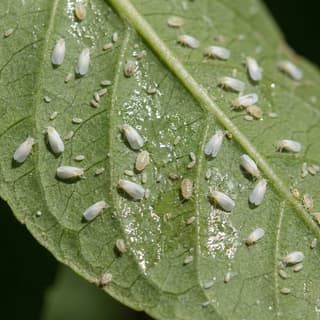
Whitefly
Whiteflies (family Aleyrodidae) are tiny, sap-sucking insects that thrive in warm, still air. They are common on houseplants, greenhouse crops, and garden plants such as tomatoes, peppers, cucumbers, fuchsias, hibiscus, poinsettias, citrus, and many herbs. You’ll often see small white adults flutter up when you touch the plant, sticky honeydew on leaves or nearby surfaces, black sooty mould growing on that honeydew, and leaves that yellow, curl, or drop. Check the undersides of leaves for pale, scale-like nymphs and tiny eggs laid in small arcs. Heavy infestations weaken plants and slow growth.
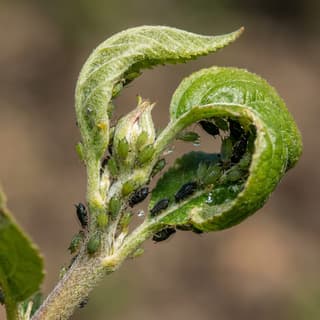
Woolly Beech Aphid
Phyllaphis is a genus of woolly aphids that primarily attack beech (Fagus), typically common beech and copper beech in hedges and as trees. They suck plant sap from young shoots and the undersides of leaves in spring and early summer. Signs of infestation include curled or rolled leaves, sticky honeydew, black sooty mold, and a white, cottony coating around the colonies. The plants usually survive, but heavy infestations can weaken new growth and make the hedge sticky and unsightly. The aphids often overwinter as eggs on thin twigs near buds.
Flea beetle damage
MediumFlea beetles are small, jumping insects that feed on the leaves of many vegetable crops. They chew numerous small, circular holes, creating a characteristic 'shothole' appearance. While established plants can often tolerate the damage, young seedlings are highly susceptible and can be stunted or killed if the infestation is severe.
Woolly Aphid
Prociphilus is a genus of woolly aphids that feed by sucking sap from plants. They produce a fluffy, white, cotton-like coating on leaves, shoots, or sometimes roots. Signs include sticky honeydew, black sooty mold growing on the honeydew, leaf curling or distortion, and clusters of tiny, soft-bodied insects hidden in the "wool." Ants are often active around them because they feed on the honeydew. These aphids commonly affect alder and maple (woolly alder aphid) and ash (woolly ash aphid). They rarely kill established trees, but they can stress young plants and create a messy, sticky problem.