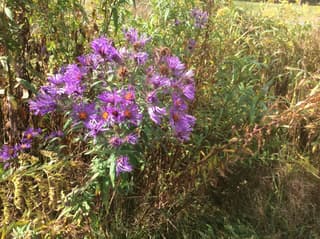
American Asters (genus) with Phytoplasma: Prevention & Cure
Symphyotrichum
Phytoplasma on American Asters (genus): What to Know?
Phytoplasma on American Asters (genus) (Symphyotrichum) is a bacterial condition with moderate severity. American Asters (genus) has moderate susceptibility to this disease.
American Asters (genus) is a easy-care plant.
🌱 How to Care for American Asters (genus) to Prevent Phytoplasma?
💧 How to Water
Water when the soil surface feels dry, usually about once a week in summer. Established plants tolerate dry spells but bloom better with steady moisture; very dry soil encourages powdery mildew and soggy soil causes wilt. Keep newly divided plants evenly moist for about 4 weeks.
☀️ Lighting
Full sun, at least 6 hours a day. A few species, such as white wood aster, tolerate shade; in very hot climates light afternoon shade helps.
🪴 Ideal Soil
Fertile, well-drained soil loosened with compost. Avoid heavy clay that stays wet. Rich soil is not needed: leaner soil gives shorter, sturdier plants.
Frequently asked questions
Can Phytoplasma kill my American Asters (genus)?
Is Phytoplasma contagious to other plants near American Asters (genus)?
Sources & References
- Wikipedia — Symphyotrichum (about 106 species, split from Aster)
- National Gardening Association — How to grow asters
- White Flower Farm — Growing Aster, Symphyotrichum, Eurybia
- UF/IFAS EDIS — Aster (division, powdery mildew)
- BBC Gardeners' World — Symphyotrichum laeve 'Calliope' (no toxic effects reported)
- Plant Addicts — Are asters poisonous? (ASPCA non-toxic)