+
🦠
Pale Purple Coneflower with Phytoplasma: Prevention & Cure
Echinacea pallida
Susceptibility: Moderate Difficulty: Easy
Phytoplasma on Pale Purple Coneflower: What to Know?
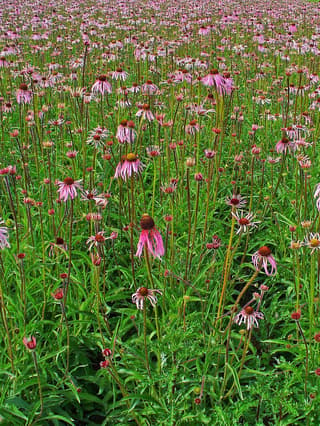
Phytoplasma on Pale Purple Coneflower (Echinacea pallida) is a bacterial condition with moderate severity. Pale Purple Coneflower has moderate susceptibility to this disease.
Pale Purple Coneflower is a easy-care plant.
🌱 How to Care for Pale Purple Coneflower to Prevent Phytoplasma?
💧 How to Water
Water regularly the first year. After that, only when the soil is dry a few centimeters down. Water at the base, keeping leaves dry.
☀️ Lighting
Full sun, or part shade with at least a few hours of direct sun. In shade the stems flop and it flowers poorly.
🪴 Ideal Soil
Well-drained soil, from sandy to clay, with a pH of 4.5 to 7.5. It does not need rich soil. It dislikes salt spray and soggy ground.
Frequently asked questions
Can Phytoplasma kill my Pale Purple Coneflower?
Rarely, Phytoplasma is usually not fatal to Pale Purple Coneflower. Early detection and treatment are key.
Is Phytoplasma contagious to other plants near Pale Purple Coneflower?
Yes, Phytoplasma can spread to nearby plants. Isolate the affected Pale Purple Coneflower immediately.