Wax Plant with Poor Air Circulation? Rare but Treatable
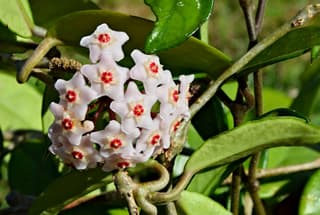
Hoya carnosa
Poor Air Circulation on Wax Plant: What to Know?
Poor Air Circulation on Wax Plant (Hoya carnosa) is a environmental condition with moderate severity. Wax Plant has low susceptibility to this disease. Poor air circulation is an environmental stress condition that occurs when plants lack adequate airflow around their foliage and stems. Stagnant air creates a microenvironment that promotes moisture b...
Wax Plant is a easy-care plant. Recovery from Poor Air Circulation takes approximately 14 days with proper treatment. As an indoor plant, ensure good ventilation to aid recovery.
Unlike most plants, Wax Plant has natural resistance to Poor Air Circulation. Best treated with preventive measures rather than reactive treatment.
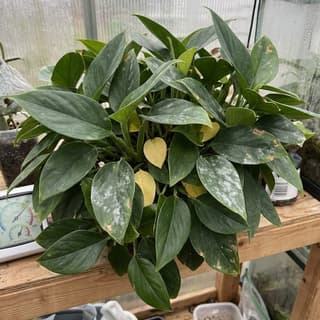
🔍 What Does Poor Air Circulation Look Like on Wax Plant?
- • Yellowing or curling leaves
- • Stunted or slow growth
- • Weak, spindly stems that cannot support the plant
- • Drooping or wilting despite adequate watering
- • Mold, mildew, or fuzzy growth on leaves or soil surface
- • Increased susceptibility to pests like fungus gnats and spider mites
- • Leggy, etiolated growth with pale coloration
- • Leaf drop or browning at leaf tips
❓ What Causes Poor Air Circulation on Wax Plant?
- → Plants placed too close together, blocking airflow
- → Lack of ventilation in indoor spaces
- → Overly dense foliage or overgrown canopy
- → Placement in corners, enclosed terrariums, or closed spaces
- → Absence of fans or natural breezes
- → High humidity with no air movement
- → Poor room layout restricting air exchange
💊 How to Treat Poor Air Circulation on Wax Plant?
TLDR: Treat Poor Air Circulation on Wax Plant with quick treatment (~7 days) or organic (~14 days). Wax Plant has low susceptibility to this disease.
Quick Fixes
Install a fan immediately
Place a small oscillating fan in the room set to low speed. Aim for gentle movement where leaves rustle slightly but do not bend.
Spread plants apart
Quickly reposition plants to create 6-8 inch gaps between them. Remove any plants from enclosed spaces.
Remove problem foliage
Cut away any moldy, diseased, or dead leaves immediately to prevent spread.
Reduce watering frequency
With improved airflow, soil will dry faster. Wait until top 2 inches are dry before watering.
Run fan continuously
Keep fan running 8-12 hours daily, especially during peak humidity times. Ensure it does not blow directly on plants.
Organic Treatment
Evaluate current setup
Assess plant spacing, room layout, and current airflow patterns. Identify stagnant air zones where plants are struggling.
Space out plants
Reposition plants to be at least 6-12 inches apart. Ensure no leaves are touching between plants.
Prune for airflow
Remove dense inner foliage, dead leaves, and crossed branches to open up the plant canopy and allow air penetration.
Improve natural ventilation
Open windows daily for 15-30 minutes (weather permitting) to introduce fresh air and reduce humidity buildup.
Rotate plants weekly
Turn plants 90 degrees each week to ensure all sides receive even airflow and light exposure.
Monitor soil moisture
Check soil regularly as improved airflow may increase evaporation. Adjust watering schedule accordingly.
Assess improvement
After 2 weeks, look for stronger stems, healthier foliage, and reduced mold/pest issues.
🛡️ How to Prevent Poor Air Circulation on Wax Plant?
TLDR: Prevent Poor Air Circulation on Wax Plant with 7 essential preventive care practices.
- ✓ Space plants adequately to allow air to flow between them
- ✓ Use oscillating fans to create gentle, indirect airflow
- ✓ Open windows and doors regularly to allow natural ventilation
- ✓ Avoid placing plants in enclosed containers without ventilation
- ✓ Prune dense foliage to open up the plant canopy
- ✓ Rotate plants weekly to ensure even air exposure
- ✓ Maintain moderate humidity levels (40-60%) with good air exchange
🌱 How to Care for Wax Plant to Prevent Poor Air Circulation?
💧 How to Water
Allow the top inch of soil to dry between waterings. Water thoroughly until water drains from the bottom, then discard excess. Reduce watering in winter. Overwatering is the most common cause of plant death - err on the side of underwatering.
☀️ Lighting
Provide bright, indirect light. East or west-facing windows are ideal. Can tolerate some gentle morning sun but avoid harsh afternoon direct sunlight which can scorch leaves. Low light will significantly slow growth and reduce flowering.
🪴 Ideal Soil
Use a well-draining mix of orchid bark, perlite, and potting soil in equal parts. The soil should not retain excess moisture. Avoid heavy standard potting mixes. pH can range from slightly acidic to neutral (6.1-7.5).
Frequently asked questions
Can Poor Air Circulation kill my Wax Plant?
How long does Wax Plant take to recover from Poor Air Circulation?
Is Poor Air Circulation contagious to other plants near Wax Plant?
Sources & References
- Does My Plant Have Enough Air Circulation?
- Give Plants Good Air Circulation
- The Secret to Thriving Indoor Plants? Airflow!
- The Impact of Proper Air Circulation on Plant Health
- Why Good Airflow Matters for Healthy Indoor Plants
- Hoya Carnosa: A Comprehensive Guide - Healthy Houseplants
- Hoya Carnosa: Complete Plant Care and Growing Guide - Planet Natural
- Hoya carnosa (Wax Plant): All You Need To Know - Gardenia