Potassium Deficiency: How to Identify & Treat Fast
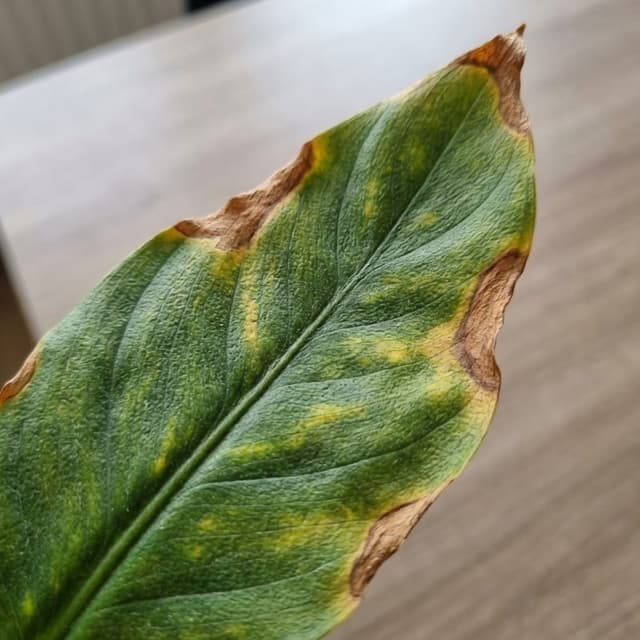
Potassium deficiency is a nutritional disorder that affects a plant's ability to regulate stomatal opening and closing, resulting in characteristic leaf edge burn. Potassium is a mobile nutrient, so symptoms first appear on older, lower leaves.
Slow
21 days
What is Potassium Deficiency?
Potassium Deficiency is a nutrient_deficiency condition with moderate severity that affects plants. Potassium deficiency is a nutritional disorder that affects a plant's ability to regulate stomatal opening and closing, resulting in characteristic leaf edge burn. Potassium is a mobile nutrient, so symptoms first appear on older, lower leaves.
Potassium Deficiency is a nutrient_deficiency disease with moderate severity that spreads at a slow rate. Recovery typically takes approximately 21 days with proper treatment. It affects 10 plant species in our database.
Unlike many common diseases, Potassium Deficiency is not contagious between plants.
🔍 What Are the Symptoms of Potassium Deficiency?
TLDR: Potassium Deficiency presents 6 main symptoms. Early identification is crucial for effective treatment.
Main Symptoms
- ! Yellow or brown scorching along leaf margins
- ! Burnt and curled leaf tips
- ! Chlorosis (yellowing) between leaf veins
- ! Purple spots on leaf undersides
- ! Symptoms start on older, lower leaves
- ! Leaves may look like "nutrient burn"
Visual Signs
❓ What Causes Potassium Deficiency in Plants?
- → Low potassium levels in soil
- → Improper soil pH (outside 6.0-7.0 range)
- → Erratic or excessive watering
- → Soil compaction preventing uptake
- → Excess calcium or magnesium competing for absorption
- → Excessive leaching in sandy soils
💊 How to Treat Potassium Deficiency?
TLDR: Treat Potassium Deficiency with 11 days of quick treatment or 21 days of organic treatment. Full recovery takes approximately 21 days.
Quick Fixes
~11 days
Step 1
Apply foliar spray of potassium sulfate or potassium nitrate solution (follow product dilution rates) directly to leaves for fastest absorption
Step 2
Water soil thoroughly before applying soil drench to avoid root burn
Step 3
Apply highly soluble potassium fertilizer (0-0-50 or similar high-K formula) as soil drench around root zone
Step 4
Reapply foliar spray every 7-10 days until symptoms diminish
Step 5
Monitor new growth for signs of recovery within 1-2 weeks
Materials needed:
Organic Treatment
~21 days
Step 1
Apply 2-3 inches of homemade compost enriched with banana peels around the base of plants
Step 2
Work wood ash sparingly into topsoil (approximately 1 cup per 10 square feet, avoid if soil pH is already high)
Step 3
Apply seaweed extract or kelp meal according to package directions for immediate nutrient boost
Step 4
Spread granite dust or rock phosphate for long-term slow-release potassium
Step 5
Maintain 2-3 inch mulch layer to prevent nutrient leaching
Materials needed:
Expert Treatment
~32 days
Step 1
Conduct comprehensive soil test to determine exact K levels, pH, and competing nutrient levels (Ca, Mg)
Step 2
Adjust soil pH to 6.0-7.0 range using sulfur or lime as needed before potassium application
Step 3
Implement immediate foliar feeding program with potassium sulfate (2-3 applications, 7-day intervals) for rapid symptom relief
Step 4
Apply balanced soil amendment combining fast-acting (potassium nitrate) and slow-release (granite dust, compost) sources
Step 5
Establish fertigation schedule delivering potassium through irrigation system during peak growth periods
Step 6
Monitor leaf tissue analysis every 2-3 weeks to track K uptake and adjust application rates
Step 7
Address irrigation practices to ensure deep, consistent watering without waterlogging or drought stress
Step 8
Implement crop rotation or cover cropping with potassium-accumulating plants (legumes, buckwheat) for long-term soil building
Step by Step
- 1
Test soil pH and adjust if needed (6.0-7.0 ideal)
- 2
Apply potassium-rich fertilizer according to instructions
- 3
Water deeply and regularly to facilitate absorption
- 4
Monitor new leaves - healthy growth indicates recovery
- 5
Avoid over-fertilization that may cause other imbalances
- 6
Wait 2-4 weeks to see visible improvements
🧪 Natural vs Chemical: Which Treatment Works for Potassium Deficiency?
🌱 Natural Solutions
- ✓ Banana peel tea (rich in potassium)
- ✓ Comfrey tea (high K concentration)
- ✓ Wood ash (apply sparingly, can raise pH)
- ✓ Seaweed fertilizer
- ✓ Granite meal or rock dust
- ✓ Well-decomposed compost
💉 Chemical Solutions
- ✓ Potassium chloride (muriate of potash)
- ✓ Potassium nitrate
- ✓ Potassium sulfate
- ✓ Monopotassium phosphate
- ✓ NPK fertilizers with high K (e.g., 5-10-15)
Treatment Comparison
| Type | Estimated time | Steps | Difficulty | Best For |
|---|---|---|---|---|
| ⚡Quick | ~11 days | 5 | Advanced | Urgent cases |
| 🌿Organic | ~21 days | 5 | Advanced | Indoor plants |
| 🔬Expert | ~32 days | 8 | Advanced | Severe infections |
🛡️ How to Prevent Potassium Deficiency?
TLDR: Prevent Potassium Deficiency with 6 essential care practices. Regular monitoring is key for early detection.
- ✓ Maintain soil pH between 6.0 and 7.0 for maximum potassium availability
- ✓ Water deeply and regularly, avoiding fluctuations
- ✓ Test soil regularly to monitor nutrient levels
- ✓ Add organic matter to soil to improve retention
- ✓ Avoid excess calcium or magnesium fertilizers
- ✓ Use mulch to reduce leaching
🔗Related Diseases
Phosphorus Deficiency
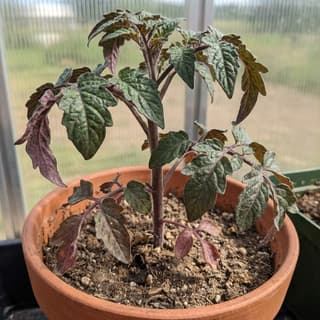
MediumPhosphorus deficiency is a common nutritional problem that hinders healthy plant growth. Phosphorus is essential for root development, flowering, fruiting, and energy metabolism. When deficient, plants exhibit stunted growth and leaves with purple or reddish coloration, especially on older leaves.
Iron Deficiency
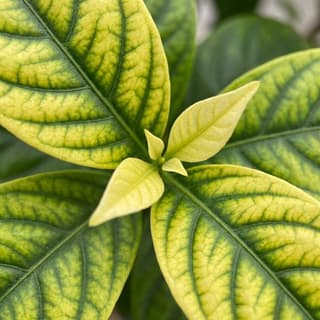
MediumIron deficiency, commonly known as iron chlorosis, is a nutrient deficiency disorder where plants cannot access sufficient iron from the soil. While iron is typically abundant in soil, various soil conditions can limit plant uptake, resulting in characteristic yellowing of leaves while veins remain green.
Magnesium Deficiency
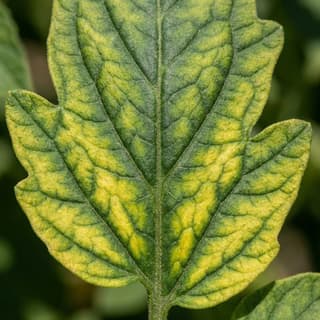
MediumMagnesium deficiency is a nutrient disorder characterized by interveinal chlorosis, where leaf tissue between veins turns yellow while the veins remain green. This deficiency affects older leaves first as magnesium is a mobile nutrient that plants relocate to support new growth. Magnesium is essential for chlorophyll production and photosynthesis, making this deficiency critical for plant health.
Nitrogen Deficiency
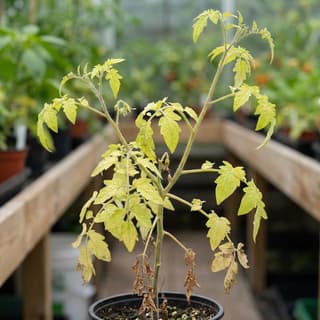
MediumNitrogen deficiency occurs when plants lack sufficient nitrogen, an essential macronutrient needed for chlorophyll production and overall growth. This deficiency typically manifests as yellowing leaves, starting with older foliage and progressing to newer growth if left untreated.
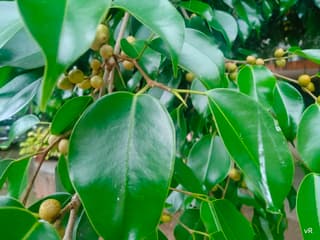
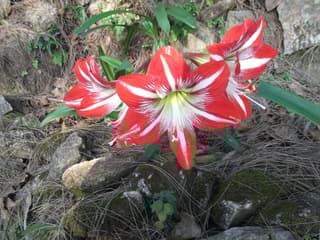
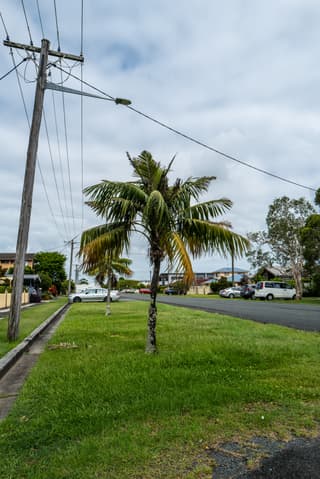
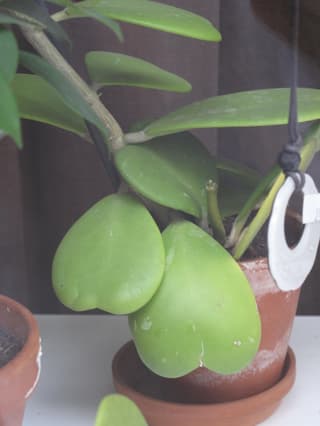
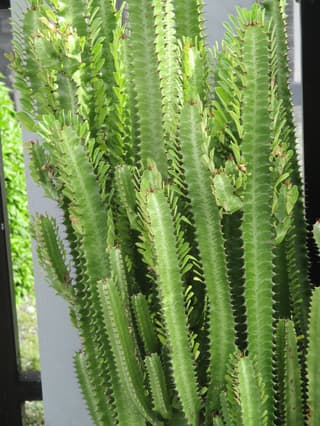
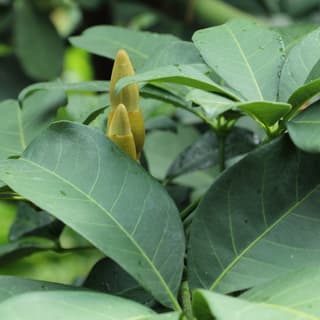
🌿 Which Plants Are Most Affected by Potassium Deficiency?
Sources & References
- How to fix Cannabis Potassium Deficiency (K) Pics & Symptoms
- How to Fix Leaf Curl and Tip Burn Caused by Potassium Deficiency | She Grows Veg
- Potassium Deficiency in Plants | Trifecta Natural
- Potassium deficiency (plants) - Wikipedia
- Potassium deficiency guide | CANNA Gardening USA
- How to recognise potassium nutrient deficiency in plants
- Managing Pests in Gardens: Trees and Shrubs: Disorders: Potassium deficiency—UC IPM