Cuban Royal Palm Prone to Potassium Deficiency: How to Protect
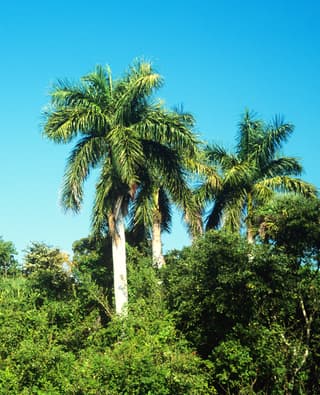
Roystonea regia
Potassium Deficiency on Cuban Royal Palm: What to Know?
Potassium Deficiency on Cuban Royal Palm (Roystonea regia) is a nutrient_deficiency condition with moderate severity. Cuban Royal Palm has high susceptibility to this disease. Potassium deficiency is a nutritional disorder that affects a plant's ability to regulate stomatal opening and closing, resulting in characteristic leaf edge burn. Potassium is a mobile nutrient, so s...
Cuban Royal Palm is a easy-care plant. Recovery from Potassium Deficiency takes approximately 21 days with proper treatment.
Cuban Royal Palm is highly susceptible to Potassium Deficiency, unlike most plants in the same family. Without early intervention, recovery takes 32 days instead of 21 days.
🔍 What Does Potassium Deficiency Look Like on Cuban Royal Palm?
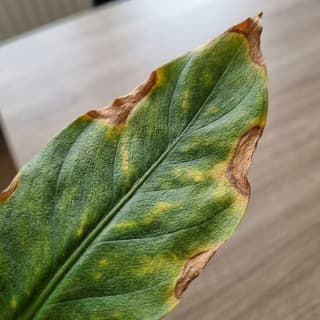
- • Yellow or brown scorching along leaf margins
- • Burnt and curled leaf tips
- • Chlorosis (yellowing) between leaf veins
- • Purple spots on leaf undersides
- • Symptoms start on older, lower leaves
- • Leaves may look like "nutrient burn"
❓ What Causes Potassium Deficiency on Cuban Royal Palm?
- → Low potassium levels in soil
- → Improper soil pH (outside 6.0-7.0 range)
- → Erratic or excessive watering
- → Soil compaction preventing uptake
- → Excess calcium or magnesium competing for absorption
- → Excessive leaching in sandy soils
💊 How to Treat Potassium Deficiency on Cuban Royal Palm?
TLDR: Treat Potassium Deficiency on Cuban Royal Palm with quick treatment (~11 days) or organic (~21 days). Cuban Royal Palm has high susceptibility to this disease.
Quick Fixes
Step 1
Apply foliar spray of potassium sulfate or potassium nitrate solution (follow product dilution rates) directly to leaves for fastest absorption
Step 2
Water soil thoroughly before applying soil drench to avoid root burn
Step 3
Apply highly soluble potassium fertilizer (0-0-50 or similar high-K formula) as soil drench around root zone
Step 4
Reapply foliar spray every 7-10 days until symptoms diminish
Step 5
Monitor new growth for signs of recovery within 1-2 weeks
Organic Treatment
Step 1
Apply 2-3 inches of homemade compost enriched with banana peels around the base of plants
Step 2
Work wood ash sparingly into topsoil (approximately 1 cup per 10 square feet, avoid if soil pH is already high)
Step 3
Apply seaweed extract or kelp meal according to package directions for immediate nutrient boost
Step 4
Spread granite dust or rock phosphate for long-term slow-release potassium
Step 5
Maintain 2-3 inch mulch layer to prevent nutrient leaching
🛡️ How to Prevent Potassium Deficiency on Cuban Royal Palm?
TLDR: Prevent Potassium Deficiency on Cuban Royal Palm with 6 essential preventive care practices.
- ✓ Maintain soil pH between 6.0 and 7.0 for maximum potassium availability
- ✓ Water deeply and regularly, avoiding fluctuations
- ✓ Test soil regularly to monitor nutrient levels
- ✓ Add organic matter to soil to improve retention
- ✓ Avoid excess calcium or magnesium fertilizers
- ✓ Use mulch to reduce leaching
🌱 How to Care for Cuban Royal Palm to Prevent Potassium Deficiency?
💧 How to Water
Keep the soil consistently moist but not waterlogged, especially during periods of active growth. Reduce watering in winter. Check soil moisture before watering again by inserting your finger about 5 cm into the soil. Young palms may require more frequent watering than established adults. Moderate water sensitivity means that overwatering is more harmful than occasional underwatering, but prolonged drought should be avoided. A 7-day frequency is an average; adjust according to weather and soil conditions. Occasional misting can be beneficial in very dry environments, but it is not essential for the survival of the adult plant in normal outdoor humidity conditions. Rotation every 7 days is not applicable to this plant, as it is generally planted in its permanent location and not in pots that require rotation for uniform light exposure. Pruning of dry or damaged leaves should be done as needed, usually every 90 days, to maintain the plant's aesthetics and health. Repotting is rarely necessary for adult trees planted in the ground, but if grown in a pot, repotting every 365 days can be considered for young plants in active growth, using a larger pot and fresh substrate. Fertilization every 30 days during the growing season (spring and summer) with a balanced fertilizer for palms is recommended to promote vigorous growth. A 14-day fertilization frequency is too high for this species and can lead to over-fertilization; 30 days is more appropriate. Misting every 3 days is excessive and unnecessary for this palm, which tolerates normal ambient humidity well. Difficulty is considered medium due to its size and space and light requirements, although basic care is relatively simple. Water sensitivity is moderate, requiring attention to avoid both waterlogging and extreme drought. Ideal light is high, with a minimum of 10,000 lux, and can tolerate up to 50,000 lux in full sun. Ideal temperature ranges between 18°C and 30°C, with an absolute minimum of 18°C. Ideal humidity is between 50% and 80%. Soil should be well-drained. Ideal soil pH is between 5.5 and 7.0. The growth rate is fast. Maximum height can reach 3000 cm (30 meters) and the spread 1000 cm (10 meters). Minimum hardiness zones are 10a. Flowers are white and blooming occurs in spring and summer. Foliage is evergreen. Toxicity is considered none for animals and humans, making it a safe plant for domestic and outdoor environments. Uses are primarily ornamental, being a popular choice for large-scale landscaping. The Royal Palm is not known for significant air purification. Propagation is mainly done by seeds, which germinate in 2-4 months under ideal heat and humidity conditions. Seed propagation difficulty is considered medium, with a high success rate if conditions are appropriate. The best season for sowing is spring. Steps include: 1. Collect mature and clean seeds. 2. Soak seeds in warm water for 24-48 hours. 3. Sow in a light and well-drained substrate, covering lightly. 4. Keep the substrate moist and warm (25-30°C). 5. Transplant seedlings into individual pots when they reach a manageable size. Necessary materials include fresh seeds, germination substrate, pot or seed tray, water, and a warm location. Tips include removing the aril from the seeds to improve germination and patience, as the process can be slow. Propagation by division of offsets is also possible, but less common and more difficult, being more suitable for young plants with multiple shoots. Difficulty is medium, with variable success depending on the gardener's skill. The best season is spring. Root development time is 4-8 weeks. Steps include: 1. Carefully separate the offsets from the mother plant, ensuring each offset has its own roots. 2. Plant the offsets in a well-drained substrate. 3. Keep moist and in a location with bright indirect light. 4. Protect from direct sun until the plant is established. Materials include healthy offsets, substrate, pot, and clean cutting tools. Tips include using a rooting hormone to increase the chances of success and avoiding root damage during separation. The Royal Palm is not typically used for medicinal or culinary purposes. Its symbolism is associated with majesty, nobility, and strength, often being used in representations of power and prestige. The pot recommendation is for large and deep pots for young plants, but the ideal is direct planting in the ground so the tree reaches its full growth potential, as it becomes a large tree and is not suitable for long-term pot cultivation. Data quality is high, with 0.95 confidence, based on established botanical knowledge and common gardening practices for the species.
☀️ Lighting
Prefers full sun for optimal development. In very hot climates, it can tolerate some partial shade during the most intense hours of the day, but a lack of light can result in slow and less vigorous growth.
🪴 Ideal Soil
Requires well-drained soil to prevent root rot. A mixture of topsoil with coarse sand or perlite is ideal. It tolerates a variety of soils as long as drainage is guaranteed.
Frequently asked questions
Can Potassium Deficiency kill my Cuban Royal Palm?
How long does Cuban Royal Palm take to recover from Potassium Deficiency?
Is Potassium Deficiency contagious to other plants near Cuban Royal Palm?
Sources & References
- How to fix Cannabis Potassium Deficiency (K) Pics & Symptoms
- How to Fix Leaf Curl and Tip Burn Caused by Potassium Deficiency | She Grows Veg
- Potassium Deficiency in Plants | Trifecta Natural
- Potassium deficiency (plants) - Wikipedia
- Potassium deficiency guide | CANNA Gardening USA
- How to recognise potassium nutrient deficiency in plants
- Managing Pests in Gardens: Trees and Shrubs: Disorders: Potassium deficiency—UC IPM
- EDIS IFAS UF: Roystonea regia Royal Palm
- Gardenia.net: Roystonea regia Florida Royal Palm
- PlantCareToday: Royal Palm Tree Care
- LiveToPlant: Common Royal Palm Plant Diseases
- PictureThis: Cuban Royal Palm Toxicity