Arbequina Olive with Bacterial Blight: Prevention & Cure
Olea europaea 'Arbequina'
Bacterial Blight on Arbequina Olive: What to Know?
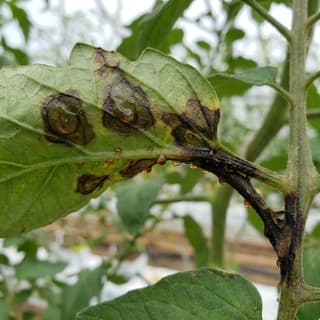
Bacterial Blight on Arbequina Olive (Olea europaea 'Arbequina') is a bacterial condition with moderate severity. Arbequina Olive has moderate susceptibility to this disease. Pseudomonas is a group of bacteria that causes leaf spots, blights, cankers, and soft rots on many garden and houseplants. It thrives in cool, wet, or humid weather and spreads with splashing water, r...
Arbequina Olive is a easy-care plant. As an indoor plant, ensure good ventilation to aid recovery.
🛡️ How to Prevent Bacterial Blight on Arbequina Olive?
TLDR: Prevent Bacterial Blight on Arbequina Olive with 7 essential preventive care practices.
- ✓ Water wisely by using drip or a watering can at the base and watering early so leaves dry quickly.
- ✓ Keep the area clean by removing plant debris at season’s end and sanitizing pots, trays, and tools.
- ✓ Improve drainage and avoid overwatering, especially for houseplants.
- ✓ Provide good spacing, prune to open the canopy, and avoid working among plants when foliage is wet.
- ✓ Mulch soil to limit splash and protect plants from frost and mechanical injury such as hail or rough handling, which create entry points for bacteria.
- ✓ Choose healthy starts and resistant or tolerant varieties when available, and rotate crops each year.
- ✓ Fertilize moderately and avoid excess nitrogen that encourages soft, susceptible growth.
🌱 How to Care for Arbequina Olive to Prevent Bacterial Blight?
💧 How to Water
Water deeply once or twice a week during the first year to strengthen the roots; after that, space out the waterings and allow the soil to dry out thoroughly between them, as excess moisture promotes root rot.
☀️ Lighting
Provide full, direct sun — at least 6 hours daily. In indoor environments or during short winter days, supplement with artificial light to maintain flowering and fruiting.
🪴 Ideal Soil
Prefer sandy or loamy soil with excellent drainage and a pH between 5.5 and 8.5. Avoid waterlogged or dense clay soils, which favor root diseases.