Jasmine Tobacco with Bacterial Blight? Rare but Treatable
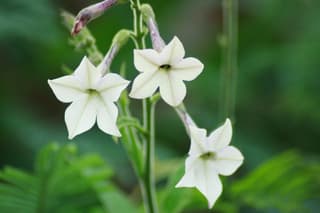
Nicotiana alata
Bacterial Blight on Jasmine Tobacco: What to Know?
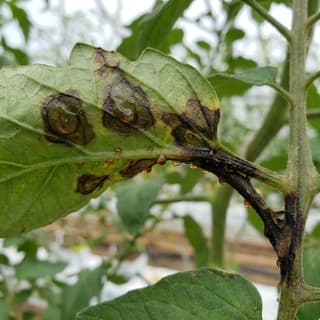
Bacterial Blight on Jasmine Tobacco (Nicotiana alata) is a bacterial condition with moderate severity. Jasmine Tobacco has low susceptibility to this disease. Pseudomonas is a group of bacteria that causes leaf spots, blights, cankers, and soft rots on many garden and houseplants. It thrives in cool, wet, or humid weather and spreads with splashing water, r...
Jasmine Tobacco is a easy-care plant.
Unlike most plants, Jasmine Tobacco has natural resistance to Bacterial Blight. Best treated with preventive measures rather than reactive treatment.
🛡️ How to Prevent Bacterial Blight on Jasmine Tobacco?
TLDR: Prevent Bacterial Blight on Jasmine Tobacco with 7 essential preventive care practices.
- ✓ Water wisely by using drip or a watering can at the base and watering early so leaves dry quickly.
- ✓ Keep the area clean by removing plant debris at season’s end and sanitizing pots, trays, and tools.
- ✓ Improve drainage and avoid overwatering, especially for houseplants.
- ✓ Provide good spacing, prune to open the canopy, and avoid working among plants when foliage is wet.
- ✓ Mulch soil to limit splash and protect plants from frost and mechanical injury such as hail or rough handling, which create entry points for bacteria.
- ✓ Choose healthy starts and resistant or tolerant varieties when available, and rotate crops each year.
- ✓ Fertilize moderately and avoid excess nitrogen that encourages soft, susceptible growth.
🌱 How to Care for Jasmine Tobacco to Prevent Bacterial Blight?
💧 How to Water
Water when the top 2-3 cm of soil feels dry, keeping the soil evenly moist but never waterlogged, which encourages root rot. Water at the base to reduce fungal leaf diseases.
☀️ Lighting
Provide at least 6 hours of direct sunlight daily. In hot climates, afternoon shade helps prevent heat stress and wilting flowers.
🪴 Ideal Soil
Use light, rich, well-draining soil with a slightly acidic to neutral pH (6.0-7.5). Amend with compost at planting time to support vigorous growth.